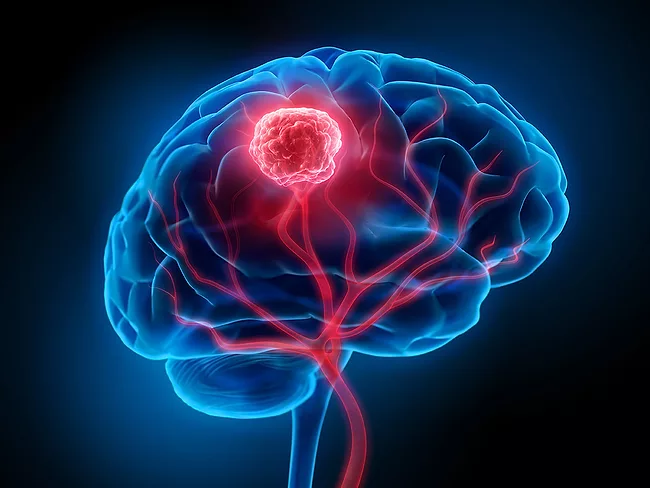
A recent study published in the Journal for Immunotherapy of Cancer has revealed a promising new approach for the treatment of glioblastoma (GBM), an aggressive and incurable form of primary brain cancer.
A newly developed oncolytic virus, SKV-012, has demonstrated promising results in preclinical studies and a phase I clinical trial for the treatment of advanced solid tumors.
Boehringer Ingelheim Pharma GmbH & Co KG has selected a third oncology drug candidate to advance into IND-enabling studies under its ongoing collaboration with Oxford Biotherapeutics Ltd.
Aussie researchers have used CRISPR gene editing tools to “armor” chimeric antigen receptor (CAR) T cells to activate additional cancer-fighting proteins at the tumor site, enabling them to target cancer cells in solid tumors.
In a study published recently in Cancer Immunology, Immunotherapy journal, researchers from Jiangsu Province Hospital and colleagues investigated the impact of targeting the TP53-induced glycolysis and apoptosis regulator (TIGAR) on T-cell function and antitumor immunity in acute myeloid leukemia.
Researchers at Caedo Oncology AS and collaborators have recently developed a new chimeric bifunctional anti-CD47 (IgG4) fusion protein, CO-001, and its optimized variant CO-005, a bivalent humanized single-chain fragment variable-fragment crystallizable fusion protein, which exhibited potent anti-cancer activity through a dual mechanism of action.
Taiwan’s Hanchorbio Inc. is out-licensing its breakthrough checkpoint inhibitor, HCB-101, to Shanghai Henlius Biotech Inc. in a deal worth more than $200 million.
NKG2A is an inhibitory immune checkpoint receptor expressed on cytotoxic T cells and natural killer (NK) cells. Its upregulation in the tumor microenvironment (TME) contributes to the functional exhaustion of T cells, enabling tumor cells to evade immune surveillance. Therapeutic targeting of NKG2A represents a promising strategy to restore T-cell activity and enhance antitumor immunity.
Invasive bladder cancer can be treated through immunotherapy involving Bacillus Calmette-Guérin (BCG), but some 40%-60% of treated patients suffer progression or recurrence. In an effort to find more effective treatments for refractory disease, researchers at the Université de Sherbrooke and its hospital research center have engineered an oncolytic vesicular stomatitis virus encoding granulocyte-macrophage colony-stimulating factor (VSVd51-GM-CSF).
CDR-Life Inc. has announced CDR-609 as its next clinical candidate. Built on the company’s proprietary M-gager platform, CDR-609 is a novel T-cell engager targeting LGR5, a surface antigen widely expressed on common solid tumors, including colorectal, gastric, liver and pancreatic cancers.
 RSS
RSS



.webp?height=488&t=1670008838&width=650 "Acute myeloid leukemia")