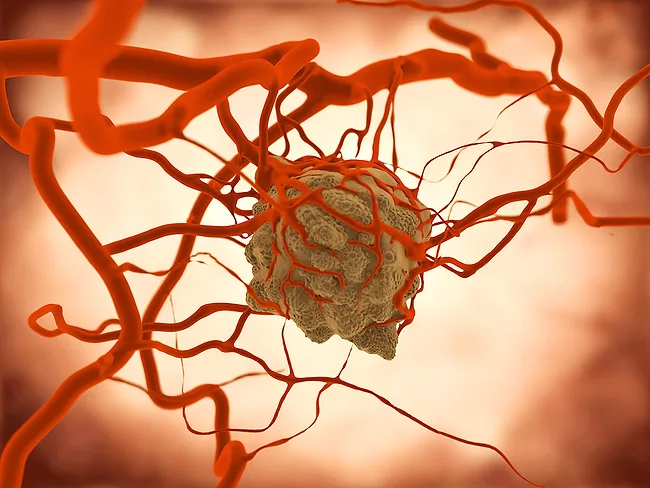
LIN28 is a family of RNA-binding proteins that regulate stem cell biology and pluripotency and are involved in oncogenesis through the interaction with tumor suppressor microRNA let-7. The expression of LIN28 leads to the loss of function of let-7, leading to tumorigenesis, and has been tied to tumor aggressiveness and poor survival in children with brain tumors.
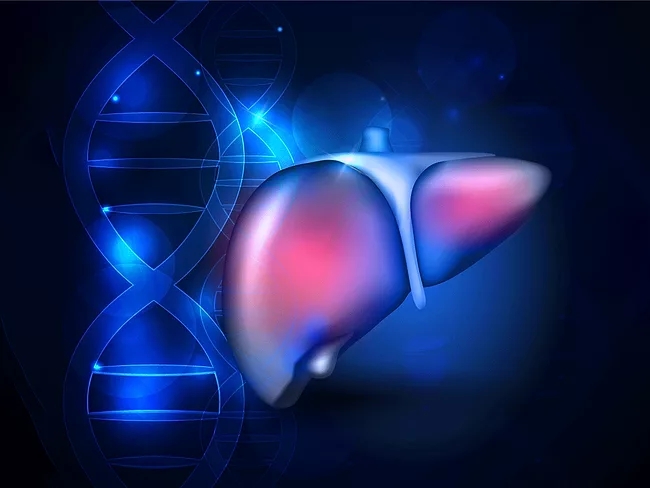
Interferon (IFN)-α, on paper, should be quite effective against hepatocellular carcinoma, the most frequent form of primary liver cancer. IFN-α can suppress tumor growth directly by acting on tumor cells, as well as indirectly by activating cytotoxic CD8+ T cells. In addition, it can slow replication of hepatitis B virus, which is involved in 50% to 80% of cases of hepatocellular carcinoma. However, IFN-α on its own has performed disappointingly in clinical trials.
Hepatocellular carcinoma (HCC) is a fatal cancer and the third cause of cancer-related deaths worldwide. Current therapies have focused on CAR T cells for treating HCC. Glypican-3 (GPC3) is a membrane protein that is overexpressed in HCC but not in healthy adult liver tissue, thus becoming a promising therapeutic target for HCC management.
To overcome the current limitations of antitumor immunotherapy, in situ vaccine platforms based on intelligent microbes are gaining increased attention due to their ability to sustainably deliver drugs locally without causing severe systemic risks.
Immuneoncia Therapeutics Inc. raised ₩33.9 billion (US$24 million) from its Kosdaq listing May 19. Shares closed at ₩7,500 – 108% higher than its offering price of ₩3,600 per share. Immuneoncia, a joint venture founded in 2016 between Seoul, South Korea-based Yuhan Corp. and San Diego-based Sorrento Therapeutics Inc., noted that the funds will support R&D operations until 2026.
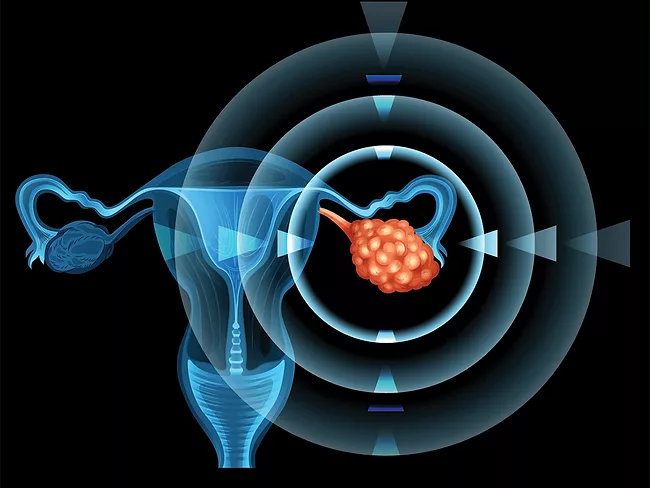
Imunon Inc. soared by 179% on the heels of phase II Ovation 2 data showing that its IMNN-001 immunotherapy led to a 13-month increase in overall survival among women with ovarian cancer. Patients in the intent-to-treat population, receiving the drug plus standard-of-care neoadjuvant and adjuvant chemotherapy (N/ACT), achieved median overall survival (OS) at 46 months vs. 33 months with N/ACT alone. Increased activity was seen among patients treated with poly ADP-ribose polymerase inhibitors, with the median OS not yet reached after more than five years vs. 37 months in the control arm.
Major histocompatibility complex class I-related protein A and B (MICA and MICB) are ligands for the natural killer group 2 member D (NKG2D) receptor and are widely expressed on tumor cells, with very limited expression on normal tissues.
Avenzo Therapeutics Inc. has announced IND clearance by the FDA for AVZO-1418 (DB-1418), an EGFR/HER3 bispecific antibody-drug conjugate (ADC). A first-in-human phase I/II study will begin later this year and will evaluate AVZO-1418 as a single agent and in combination therapy in patients with advanced solid tumors.
Ovarian cancer remains a leading cause of cancer-related deaths among women, with high recurrence rates and resistance to chemotherapy. CAR T-cell therapies present limited efficacy in solid tumors due to tumor heterogeneity and immune suppression in the tumor microenvironment.
 RSS
RSS