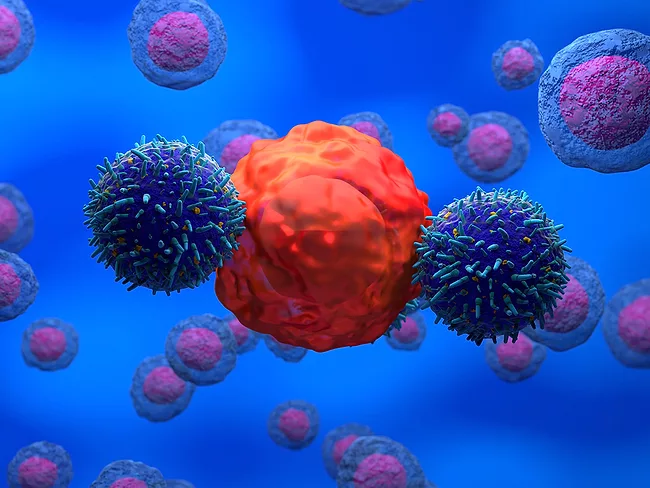
In a study published recently in Cancer Immunology, Immunotherapy journal, researchers from Jiangsu Province Hospital and colleagues investigated the impact of targeting the TP53-induced glycolysis and apoptosis regulator (TIGAR) on T-cell function and antitumor immunity in acute myeloid leukemia.
Researchers at Caedo Oncology AS and collaborators have recently developed a new chimeric bifunctional anti-CD47 (IgG4) fusion protein, CO-001, and its optimized variant CO-005, a bivalent humanized single-chain fragment variable-fragment crystallizable fusion protein, which exhibited potent anti-cancer activity through a dual mechanism of action.
Taiwan’s Hanchorbio Inc. is out-licensing its breakthrough checkpoint inhibitor, HCB-101, to Shanghai Henlius Biotech Inc. in a deal worth more than $200 million.
NKG2A is an inhibitory immune checkpoint receptor expressed on cytotoxic T cells and natural killer (NK) cells. Its upregulation in the tumor microenvironment (TME) contributes to the functional exhaustion of T cells, enabling tumor cells to evade immune surveillance. Therapeutic targeting of NKG2A represents a promising strategy to restore T-cell activity and enhance antitumor immunity.
Invasive bladder cancer can be treated through immunotherapy involving Bacillus Calmette-Guérin (BCG), but some 40%-60% of treated patients suffer progression or recurrence. In an effort to find more effective treatments for refractory disease, researchers at the Université de Sherbrooke and its hospital research center have engineered an oncolytic vesicular stomatitis virus encoding granulocyte-macrophage colony-stimulating factor (VSVd51-GM-CSF).
CDR-Life Inc. has announced CDR-609 as its next clinical candidate. Built on the company’s proprietary M-gager platform, CDR-609 is a novel T-cell engager targeting LGR5, a surface antigen widely expressed on common solid tumors, including colorectal, gastric, liver and pancreatic cancers.
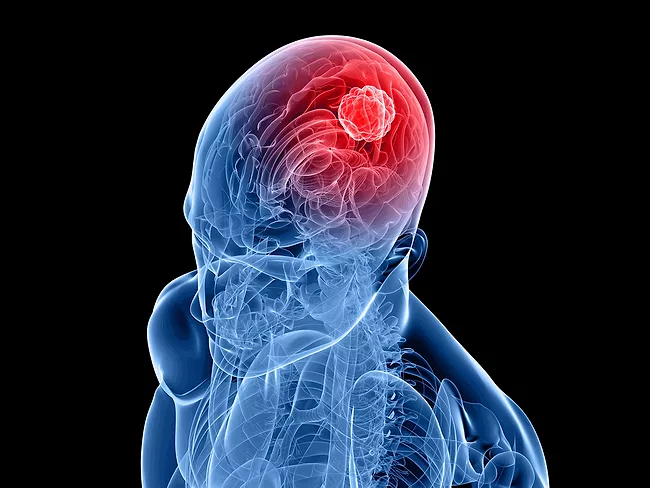
Diffuse midline gliomas (DMGs) are pediatric brain tumors with a very dismal prognosis since less than 5% of patients survive 2 years after diagnosis. Radiotherapy remains the standard treatment for DMG, and several combination chemotherapies and single-agent target therapies are currently being explored.
Glioblastoma is the most frequent and aggressive primary brain cancer in adults, and patients can expect to live shorter than 2 years, regardless of therapy. The cancer can be treated with CAR T cells, but many patients develop resistance because tumors mutate or delete the antigens recognized by the T cells, while the tumor microenvironment suppresses T-cell activity.
Aptevo Therapeutics Inc. has added a preclinical candidate, APVO-455, to its portfolio of CD3-directed candidates built on the CRIS-7-derived CD3 binding domain.
Chimeric antigen receptor (CAR) T-cell therapy has been a game changer in the treatment of B-cell malignancies, although their manufacturing process is complex and needs lymphodepletion, thus limiting their use. Researchers from Capstan Therapeutics Inc. have recently published data regarding an in vivo engineering approach to generate CAR T cells using targeted lipid nanoparticles (LNPs) for mRNA delivery to specific T-cell populations for the treatment of cancer and B-cell-mediated autoimmune diseases.
 RSS
RSS
.webp?height=488&t=1670008838&width=650 "Acute myeloid leukemia")