Novavax Inc. has signed off 6.5 million shares to SK Bioscience Co. Ltd. for an $85 million equity investment from the South Korean pharmaceutical firm, which also wrote off some of Novavax’s manufacturing liabilities, as part of their continuing vaccine alliance. Seongnam-si, South Korea-based SK Bioscience purchased Novavax shares at $13 each, reflecting a 59% premium over the 90-day trading value, to gain a 6.45% stake in the Gaithersburg, Md.-based mRNA vaccine company, an SK Bioscience spokesperson confirmed to BioWorld.
The dent made in Bavarian Nordic A/S’ future revenues after it dropped development of late-stage respiratory syncytial virus (RSV) contender MVA-BN-RSV could be offset by potential sales of its chikungunya virus vaccine, PXVX-0317, if recent phase III immunogenicity data manage to persuade the U.S. FDA that it’s as worthy as Valneva SA’s VLA-1553, the other chikungunya vaccine racing to be first to market.
South Korea’s antitrust agency on July 20 imposed fines of ₩40.9 billion (US$31.9 million) to crack down on 32 pharmaceutical firms charged with colluding on production, distribution and wholesale of vaccines in the country’s immunization program.
Sanofi SA and Astrazeneca plc had a lot to celebrate July 17 when the FDA approved Beyfortus (nirsevimab) ahead of schedule, making it the first respiratory syncytial virus (RSV) prophylactic for infants in the U.S. “This is just really an historic day,” Michael Greenberg, a Sanofi vice president and medical head of the company’s North America vaccines unit, told BioWorld. The companies had been expecting the FDA decision later this quarter. The earlier approval suggests the FDA appreciated the urgency of having time for health systems and doctors to get the drug ahead of the next RSV season, Greenberg said.
Takeda Pharmaceutical Co. Ltd. has voluntarily withdrawn its U.S. BLA for its dengue fever vaccine, Qdenga (TAK-003), following discussions with the FDA centered on “aspects of data collection, which cannot be addressed within the current BLA review cycle,” the company said in a statement. News of the withdrawal comes more than a month after the May 23 Qdenga PDUFA date. The future plan for Qdenga in the U.S. will be further evaluated given the need for travelers and those living in dengue-endemic areas of the U.S., such as Puerto Rico.
Moderna Inc. may have risen to prominence during the pandemic with its messenger RNA (mRNA)-based COVID-19 vaccine, but it’s now casting a net far larger and wider. The company said on July 5 that it is readying international approval for its second mRNA vaccine called mRNA-1345 for respiratory syncytial virus (RSV)-associated acute respiratory disease based on positive interim data from the ongoing Conquer RSV study in individuals 60 and older.
In a move to address both prevention and treatment of hepatitis B virus (HBV), Brii Biosciences Ltd. has acquired from VBI Vaccines Inc. a global exclusive license to HBV therapeutic vaccine BRII-179 (VBI-2601) and an exclusive license for HBV prophylactic vaccine Prehevbri in the Asia Pacific region, excluding Japan.
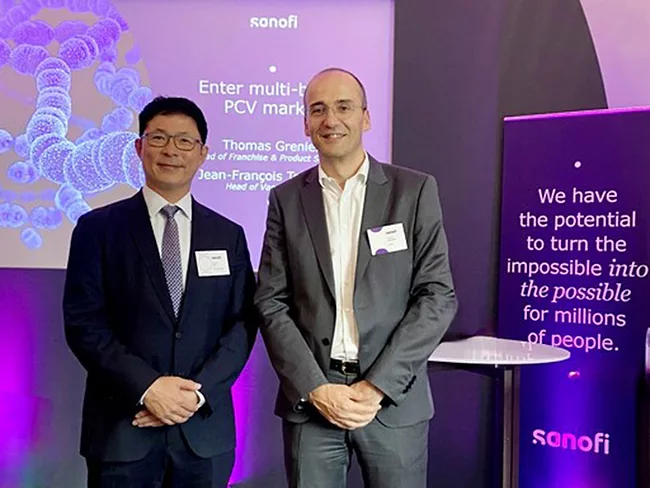
SK Bioscience Ltd. and Sanofi Pasteur SA announced June 30 positive results from a phase II study for its 21-valent pneumococcal conjugate vaccine (PCV) candidate called GBP-410, or SP-0202 under Sanofi.
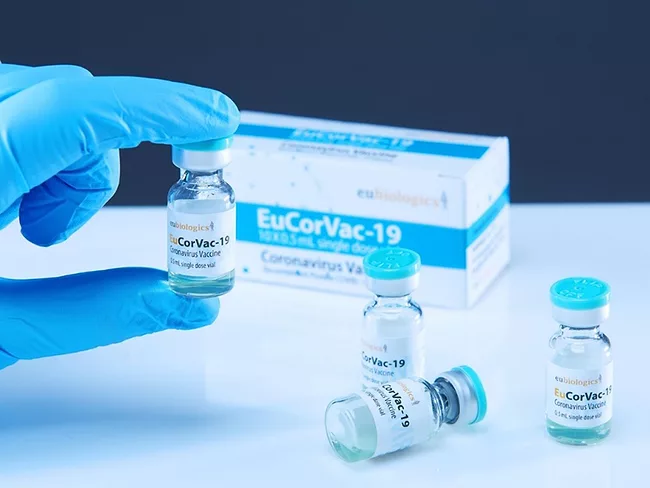
Eubiologics Co. Ltd. said it would file for regulatory approval for its COVID-19 vaccine called Eucorvac-19 in the Philippines, after announcing positive interim phase III trial results on June 27.
The U.S. FDA’s Antimicrobial Drugs Advisory Committee voted unanimously, 21-0, June 8 in support of Astrazeneca plc’s nirsevimab as a one-dose prophylactic for infants born during or entering their first respiratory syncytial virus (RSV) season.
 RSS
RSS