Making his first in-person appearance April 27 before the House Energy and Commerce Subcommittee on Health, U.S. Health and Human Services Secretary Xavier Becerra was prepared to answer questions about President Joe Biden’s fiscal 2023 budget that would increase HHS’ discretionary budget to $127 billion, nearly a 27% increase over the 2021 enacted level.
Arcturus Therapeutics Holdings Inc. reported that ARCT-154, its self-amplifying mRNA COVID-19 vaccine, showed efficacy of 55% against infection and 95% efficacy against severe disease, meeting the primary and key secondary endpoints of the ongoing phase I/II/III trial. While the company’s stock (NASDAQ:ARCT) regained much of its initial 25% drop to close the day, investors continue to await further data to determine where Arcturus’ vaccine will fit in with available COVID-19 vaccines.
Shares in Valneva SE fell sharply after the company said European regulators came back with further queries, including on antibody efficacy data, instead of a recommendation during a rolling review of its delayed COVID-19 vaccine. The company had expected a positive opinion on the vaccine, known as VLA-2001, following the April meeting of the European Medicines Agency’s CHMP committee.
By January 2022, 12 billion COVID-19 vaccine doses had been manufactured and, to date, roughly 20 vaccines have received either full approval or emergency use authorization in countries around the world. In places such as Europe and the U.S., most of the people who want vaccinations have gotten their jabs. And the vaccines continue to show efficacy, with the latest CDC data showing consistently less risk for testing positive for COVID-19 or dying from the infection for those who are vaccinated and boostered. Yet the development of new COVID-19 vaccines remains surprisingly robust, with BioWorld tracking 258, the majority of which are in preclinical development.
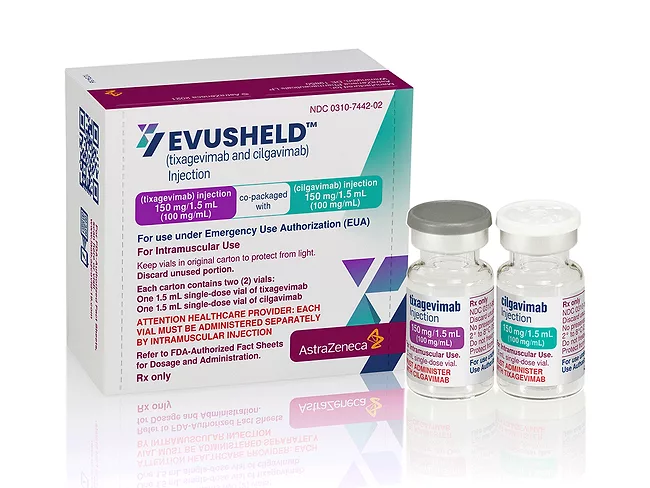
Astrazeneca plc led the handful of firms rolling out COVID-19-related news, as the company said detailed results from the Provent phase III pre-exposure prophylaxis (prevention) trial with Evusheld (tixagevimab and cilgavimab), were published in the New England Journal of Medicine, the “culmination of about 19 months of pretty intensive work,” said Mark Esser, vice president of microbial sciences.
Arcturus Therapeutics Holdings Inc. reported that ARCT-154, its self-amplifying mRNA COVID-19 vaccine, showed efficacy of 55% against infection and 95% efficacy against severe disease, meeting the primary and key secondary endpoints of the ongoing phase I/II/III trial. While the company’s stock (NASDAQ:ARCT) regained much of its initial 25% drop to close the day, investors continue to await further data to determine where Arcturus’ vaccine will fit in with available COVID-19 vaccines.
The U.S. COVID-19 vaccine program is at risk of “booster fatigue,” which will undermine public confidence in the vaccines, several members of the CDC’s Advisory Committee on Immunization Practices (ACIP) said April 20 as they met to discuss the future of the vaccines. Rather than relying on boosters, “we need to use our expertise to advocate for something that’s better,” something that resolves the ill effects of COVID-19, whether it’s mild or severe, said Lynn Bahta, an immunization program clinical consultant for the Minnesota Department of Health.
The U.K.’s drugs regulator has approved the COVID-19 vaccine from Valneva SE – although the shot is likely only to be offered to health workers in Scotland after the Westminster government rejected it because rivals beat it to market.
NEC Corp. subsidiary NEC Oncoimmunity AS recently received $4.8 million from the Coalition for Epidemic Preparedness Innovations to fund the development of vaccines for SARS-CoV-2 variants and other betacoronaviruses.
Everest Medicines Ltd. has formed a partnership with China Resources Pharmaceutical Group (CR Pharma) to co-launch an independent company to focus on the development of messenger RNA (mRNA) vaccines.

 RSS
RSS