Spotlight Medical SAS recently raised €6.2 million (US$6.7 million) in seed funding to bring its first artificial intelligence-powered cancer test to the market as it looks to transform treatment of the disease. “We believe our personalized testing approach will revolutionize cancer treatment, providing everyone with the best possible chance to beat cancer,” Sylvain Berlemont, CEO of Spotlight told BioWorld.
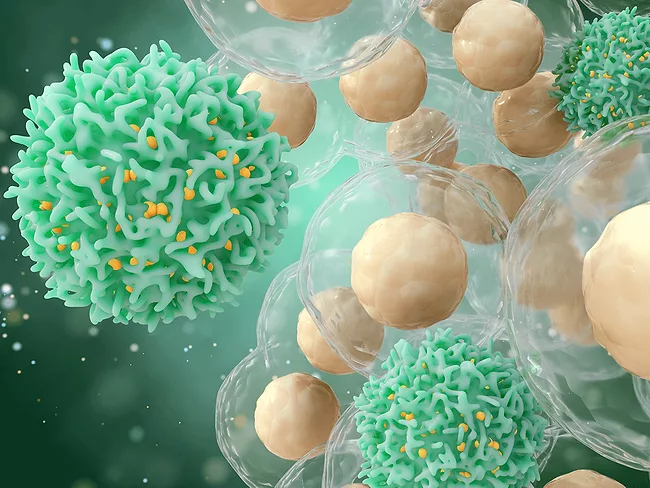
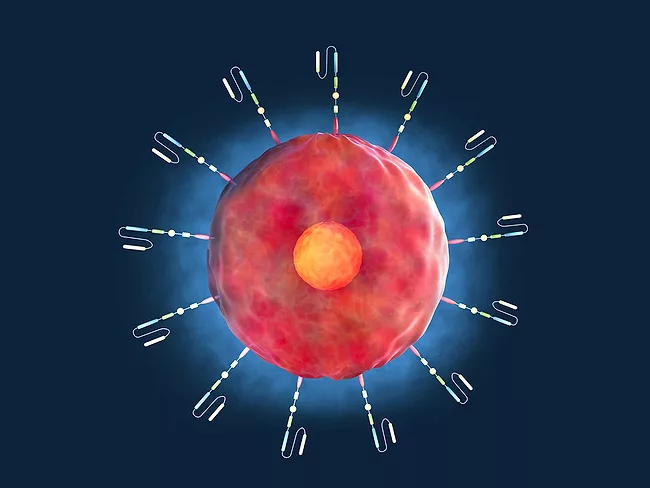
New company Pan Cancer T BV is preparing for a clinical trial of a next-generation T-cell receptor-engineered T cell it has designed to remove the current barriers and make T-cell therapies effective in treating solid tumors. Its products have two distinguishing features: They are targeted at antigens the company has shown are exclusively and robustly expressed by multiple solid cancers, and have a minor genetic modification that enhances the durability of autologous TCR-Ts in the tumor microenvironment after they are administered back into a patient.
Waypoint Bio has raised $14.5 million in seed funding to support its work pioneering novel cell therapies for solid tumors using in vivo spatial pooled screening technology.
On the heels of a $7 million seed round, Singapore-based medical technology startup Thrixen Pte Ltd. is accelerating development of its diagnostic technology platform that has the potential to perform multiplex diagnostic tests at the point of care.
Fledgling biotech Ternarx Pty Ltd. has emerged from stealth mode and is the first of its kind in Australia to develop targeted protein degrader technology to destroy disease-causing proteins that cannot be targeted by conventional drugs. The Melbourne-based company will initially develop targeted protein degraders against currently undrugged transcription factors in cancers with significant unmet need, starting with neuroblastoma and prostate cancer.
Focused on oral therapies for obesity, diabetes and rare diseases, Boston-based Syntis Bio Inc., which raised $15.5 million through seed funding last year, emerged from stealth to advance its synthetic tissue-lining technology and a pipeline of candidates.
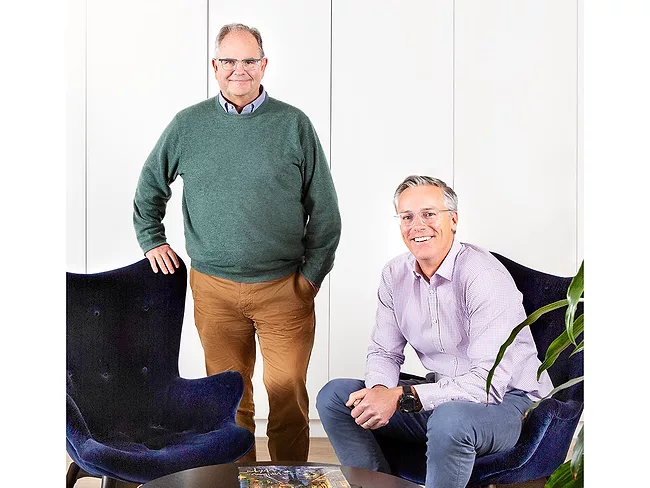
Fresh from the sale of one antibody-drug conjugate (ADC) company, Jack Elands has formed another, raising €30 million (US$32.2 million) in seed funding for Adcytherix SAS. The newco brings together the same cast as Elands’ former company, Emergence Therapeutics, which was sold to Eli Lilly and Co. for an undisclosed sum in a deal that closed in August 2023.
Focused on oral therapies for obesity, diabetes and rare diseases, Boston-based Syntis Bio Inc., which raised $15.5 million through seed funding last year, emerged from stealth to advance its synthetic tissue-lining technology and a pipeline of candidates.
Life sciences venture capital company, Brandon Capital, announced the first close of its sixth fund for AU$270 million (US$180 million) during the 2024 Biotechnology Innovation Organization International Convention in San Diego. Fund VI will see Brandon Capital continue to seed new Australian and New Zealand life sciences startups, as well as advance its expansion into international markets, particularly in the U.K., Europe, and the U.S.
 RSS
RSS