Biocartis Group NV received premarket approval from the U.S. FDA for its Idylla Cdx MSI test, developed in partnership with Bristol Myers Squibb Co., to help in the diagnosis and treatment of colorectal cancer. The cartridge-based, fully automated, sample-to-result test enables faster identification of patients with the disease who may benefit from therapeutic treatment.
Goodpath Inc., a virtual provider of whole-person care for chronic conditions, raised $18 million in series A financing, led by Massmutual Ventures with participation from Healthy Ventures and current investors.
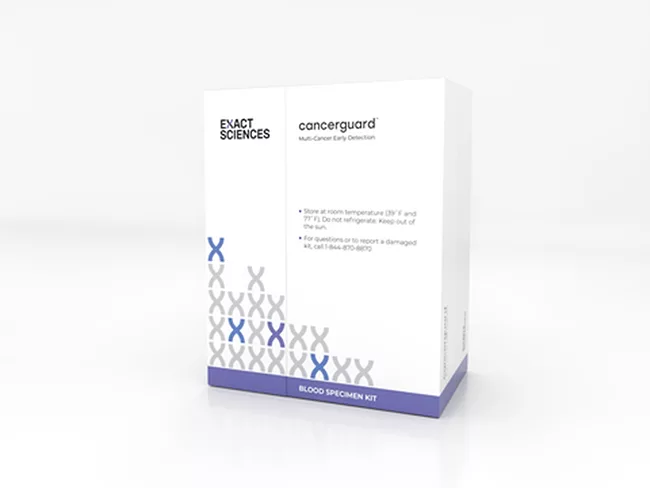
Exact Sciences Corp. rolled out its multi-cancer early detection test nationwide to expand screening and identify malignancies when treatment has the greatest chance of being curative. Cancerguard can detect signals for cancers accounting for more than 80% of all cancer diagnoses in the U.S. each year.
The U.S. Office of Inspector General said in a recent report that independent testing labs should be required to develop emergency preparedness plans for public health emergencies, a move that would affect industry giants such as Laboratory Corporation of America and Quest Diagnostics Inc.
IMU Biosciences Ltd. is working to transform society’s understanding of the immune system. The company’s platform maps the immune system at molecular, cellular and system levels, to unlock new insights into immune-related health and diseases, paving the way for clinical applications that could improve patient outcomes.
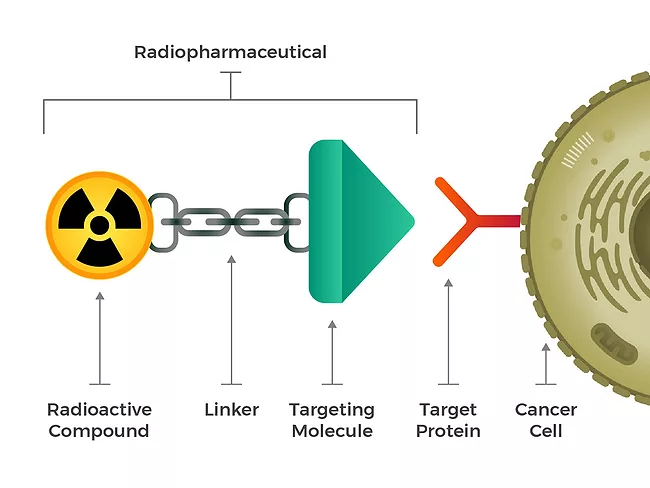
Lila Biologics Inc. has entered into a global licensing and multitarget research collaboration with Eli Lilly & Co. focused on the discovery, development and commercialization of novel radioligand therapies for imaging and treatment of solid tumors.
IMU Biosciences Ltd. is working to transform society’s understanding of the immune system. The company’s platform maps the immune system at molecular, cellular and system levels, to unlock new insights into immune-related health and diseases, paving the way for clinical applications that could improve patient outcomes.
Cyted Health Ltd. raised $44 million in a series B financing round to expand the reach of Endosign, its capsule sponge technology, in the U.S. Endosign is a minimally invasive device used to collect cell samples from the esophagus for the early detection of esophageal diseases, offering the potential to transform early cancer detection and improve health outcomes.
Telix Pharmaceuticals Ltd. received an FDA complete response letter (CRL) a day after the Aug. 27 PDUFA date for its BLA for radiopharmaceutical renal cancer imaging agent, Zircaix (TLX250-CDx, 89Zr-DFO-girentuximab).
Researchers from the University of California, Davis (UC-Davis) continue to assemble intellectual property in support of their development of methods and techniques which improve the accuracy of wearable sensor technologies.
 RSS
RSS