The Nov. 20-21 meeting of the digital health advisory committee will discuss the use of generative artificial intelligence algorithms in medical devices with a focus on the total product life cycle – a theme that suggests a concern on the agency’s part regarding the reliability of these algorithms’ output.
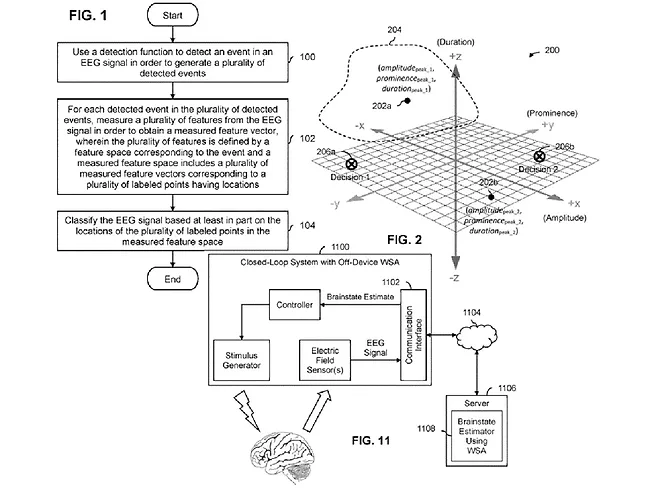
The first patenting from Encephalogix Inc. details its development of platform that uses machine learning and AI to analyze EEG data that is typically ignored.
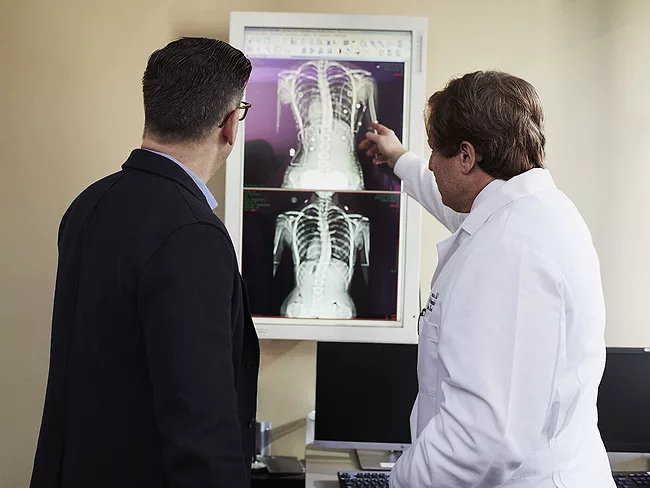
Qure.ai Technologies Private Ltd.’s Qxr artificial intelligence-powered chest X-ray interpretation system identified high-risk pulmonary nodules an average of 32 months before physicians diagnosed lung cancer, a study presented September 8 at the International Association for the Study of Lung Cancer 2024 World Conference on Lung Cancer in San Diego found.
Researchers at Klick Labs Inc. reported using a person’s voice to predict chronic hypertension with a high degree of accuracy. Data published in IEEE Access, found the potential for advancing early detection of chronic high blood pressure, showcasing another novel way to harness vocal biomarkers for better health outcomes.
Data from the Drai Martini study shows that artificial intelligence is shaking up the analysis of electrocardiograms. Results presented at the recent ESC Congress 2024, demonstrated that an AI algorithm, Deeprhythmai, developed by Medicalgorithmics Sp zo.o., has significantly higher sensitivity than human specialists in detecting heart rhythm disorders on long ECG recordings.
Asia Pacific is the fastest growing region for health care spending, and by 2030 APAC will account for more than 20% of global health care spending, Tom Lawry, managing director of Second Century Tech told the APACMed Forum 2024 conference held in Singapore, Sept 5-6.
Asia Pacific is the fastest growing region for health care spending, and by 2030 APAC will account for more than 20% of global health care spending, Tom Lawry, managing director of Second Century Tech told the APACMed Forum 2024 conference held in Singapore, Sept 5-6.
Product liability is always a point of concern for manufacturers of medical devices and other U.S. FDA-regulated products, and the broad contours of product liability jurisprudence are well known by corporate counsel. However, artificial intelligence products are rapidly pressing their way into routine clinical use, representing a technological shift that may occasionally deviate from the existing rules of the road where product liability is concerned.
A new brain-computer interface (BCI) developed at UC Davis Health is able to translate brain signals into speech with up to 97% accuracy – the most accurate system of its kind.
The first patenting from Hemeo BV describes its development of Vantage, an artificial intelligence powered clinical decision support software for coagulation management.
 RSS
RSS