Mentaily Ltd. raised $3 million in seed funding for its AI-powered mental health diagnosis, triage and support tool, Liv. The platform is designed to help patients suffering from psychological distress and mental illness.
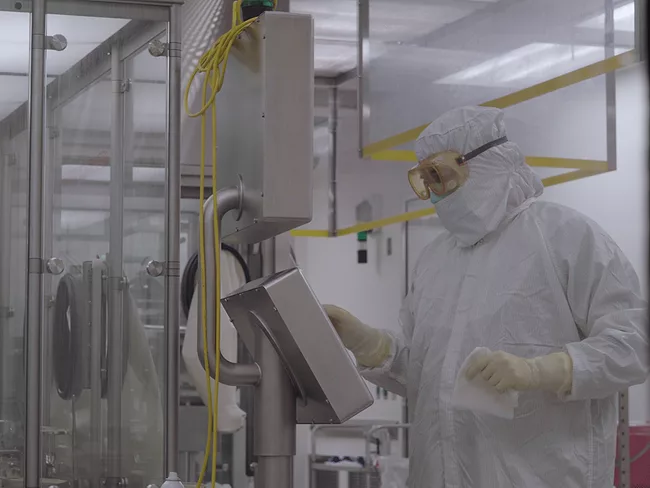
The U.S. FDA typically announces its inspections at facilities located outside the U.S. – a courtesy not extended to domestic manufacturing sites. This is about to change per an agency press release quoting commissioner Marty Makary as describing the disparate treatment as a double standard.
The U.K. National Institute for Health and Care Excellence (NICE) opened a late-stage assessment for drug-eluting stents (DES) with an eye toward costs, advising clinicians that they should implant the least expensive DES unit that is clinically appropriate for that patient while the assessment is underway.
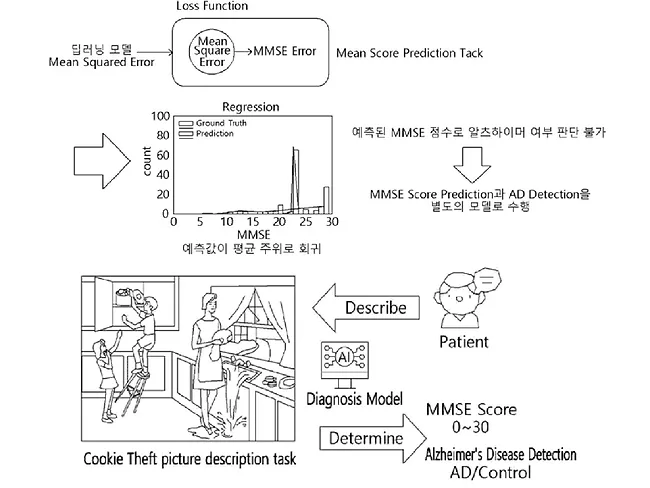
Seoul, South Korea-based Voinosis Co. Ltd. filed for potential worldwide protection of its AI-based system that allows for the early detection cognitive impairment, dementia, Alzheimer’s disease and hearing loss through voice analysis.
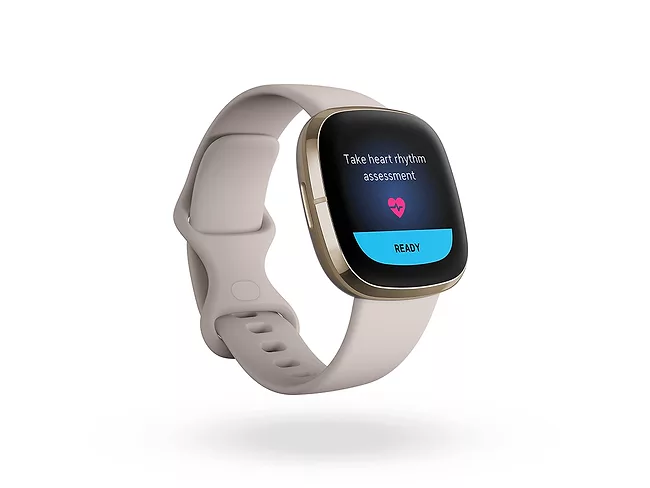
Using step counts and heart rate readings from Google’s Fitbit devices, a machine learning model accurately predicted the risk of hospitalization, a study presented at Heart Rhythm 2025 found. The study used data from participants in the National Institutes of Health’s All of Us research program.
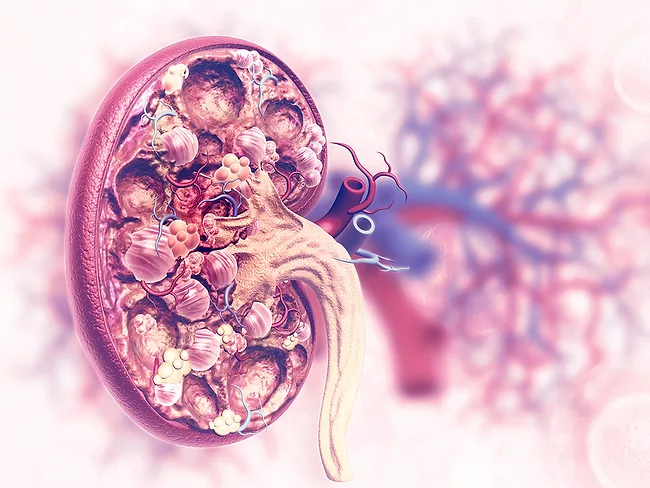
The use of Renalytix plc’s Kidneyintelx biomarker-based prognostic test led to increased and targeted use of sodium-glucose cotransporter 2 (SGLT2) inhibitors in patients at risk of diabetic kidney disease, compared to untested patients, according to data from a study.
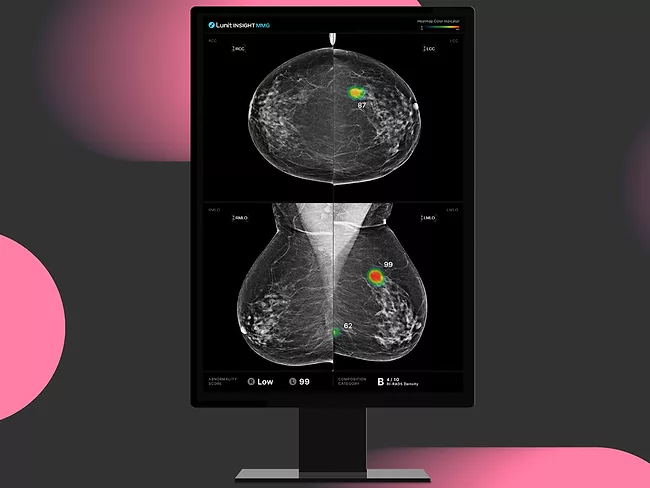
AI could significantly improve the value of patient recalls following mammography, but so far radiologists seem reluctant to rely on computer-aided readings. Radiologists tend to trust their own judgment – and that of their colleagues – in mammogram readings far more than AI-based diagnostics, even when the AI is much more accurate, a prospective trial analysis published in Radiology by Karolinska Institutet researchers found.
The U.S. NIH published the results of a study of the use of AI in referring patients for intervention for risk of opioid use disorder, which found the algorithm helped stave off hospital admissions.
The first patent from Palo Alto, Calif.-headquartered Updoc Inc. provides protection for their development of an artificially intelligent, voice-based method for prescribing, managing and administering at least one medication for management of type 2 diabetes to a patient.
 RSS
RSS