The Drugs Controller General of India has granted Novavax Inc. and the Serum Institute of India Pvt. Ltd. emergency use authorization (EUA) for Novavax’s protein-based COVID-19 vaccine. It was authorized for use in adolescents aged 12 to 18 years. The vaccine will be manufactured and marketed in India by the Serum Institute under the brand name Covovax.
Shouyao Holdings Co. Ltd. raised ¥1.48 billion ($233 million) in a listing on the Shanghai STAR Market to support the company’s ongoing clinical programs, led by a second-generation anaplastic lymphoma kinase inhibitor. Company shares (SHA:688197) debuted at ¥39.90, then fell 19.5% to close at ¥32.11 on March 23.
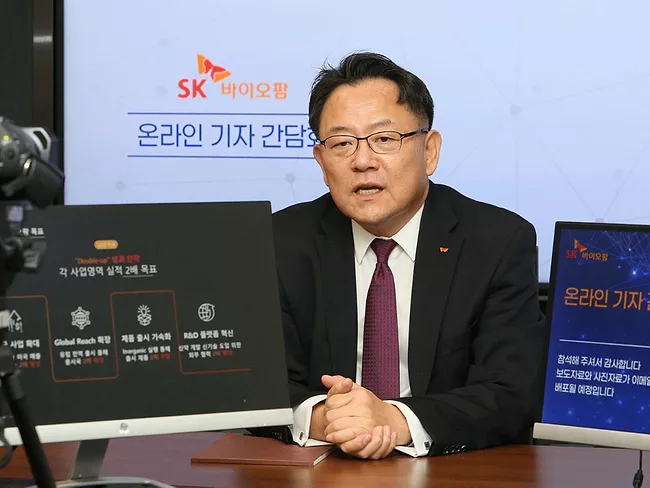
SK Biopharmaceuticals Co. Ltd.'s three-pronged plan for tackling epilepsy is going strong, with lead drug cenobamate for drug-resistant focal-onset seizures nearing the finish line, and earlier-stage programs for a mRNA-based approach and a digital therapeutic in the works.
Edigene Inc. has obtained nonexclusive, global rights to technology from Boston Children’s Hospital for technology related to increasing fetal hemoglobin levels by disrupting B-cell lymphoma/leukemia 11A (BCL11A) expression at the genomic level to treat hemoglobinopathies.
Bridge Biotherapeutics Inc. has signed an exclusive option-to-license agreement for Cellionbiomed Inc.’s preclinical ion channel modulator, BBT-301, thus adding a second idiopathic pulmonary fibrosis (IPF) candidate to its fibrotic diseases portfolio. The company hopes to enter the clinic with the drug in the U.S. by the end of 2022.
Nec Corp. has acquired all of Vaximm AG’s neoantigen program assets. Tokyo-based Nec will conduct the acquisition via its subsidiary, Nec Oncoimmunity AS.
New legislation providing a tax incentive for Australian medical innovations was introduced in Australia’s House of Representatives, and industry stakeholders are lauding the move.
A new study from researchers at Aevisbio Inc. and the National Institutes of Health on the effect of 3,6’-dithiopomalidomide on neuroinflammation adds new detail to what might one day become a significant new therapeutic strategy to treat Alzheimer's disease and other neurological disorders.
Biocon Ltd. said its subsidiary Biocon Biologics Ltd. has agreed to buy out partner Viatris Inc., bringing aboard the latter’s biosimilars business, for $3.34 billion.
LONDON – Antibody-drug conjugate specialist Heidelberg Pharma AG has secured a route into Asia and a fresh injection of much-needed capital, in a licensing and equity deal with Huadong Medicine Co. Ltd. worth up to €930 million (US$1.1 billion).

 RSS
RSS