Thanks to a raft of new approvals by Japan’s Ministry of Health, Labor and Welfare (MHLW), patients in Japan will soon have access to Biogen Inc./Eisai Co. Ltd.’s Leqembi (lecanemab), an amyloid-beta binder, for slowing progression of mild cognitive impairment and mild dementia due to Alzheimer's disease.
Starpharma Holdings Ltd.'s nanoscale drug delivery technology shows enhanced safety and durable responses in phase II trials compared to standard of care therapies in patients with advanced colorectal and ovarian cancer.
HLB Co. Ltd. is ready to take half of the liver cancer treatment market with its potential first-line treatment, rivoceranib, currently undergoing U.S. FDA review, company chairman Jin Yang-gon said, backed by positive survival data that beat out competitors by three months.
After raising HKD$320 million (US$40.8 million) in its IPO on the Hong Kong Stock Exchange last week, Immuneonco Biopharmaceuticals Co. Ltd.’s stock has continued to rise, and analysts are expecting the Hong Kong market to pick up after a slack start to the year.
As a pioneer of harnessing artificial intelligence (AI) to drug discovery, Insilico Medicine Inc. recently made breakaway progress to bring a generative AI-designed drug to life, announcing the progression of its INS018-055 candidate to phase II trials for idiopathic pulmonary fibrosis.
Genexine Co. Ltd.’s recombinant human growth hormone eftansomatropin alfa (GX-H9/TJ-101) met the primary endpoint in a phase III pediatric study conducted in China in children with growth hormone deficiency, and the company plans to file a BLA in 2024 in China on the data.
Rapidly evolving artificial intelligence (AI) is effectively resetting all biopharmaceutical companies to the figurative starting line, and collaboration is a key strategy to winning the drug discovery race, an AI-based startup founder said at the Global Bio Conference (GBC) 2023.
Data-driven health care platform company Kakao Healthcare Corp. may be embarking on its most ambitious project yet: launching an effective “AI-platform bridge” over patient waters to connect medical institutions, government and the industry for novel drug discovery and research.
Verismo Therapeutics Inc., the U.S. subsidiary of South Korea’s HLB Co. Ltd., inked a license agreement with the University of Pennsylvania for two newly discovered CD19 binders – one of which will be used to develop Synkir-310, its investigative CAR T therapy for blood cancers.
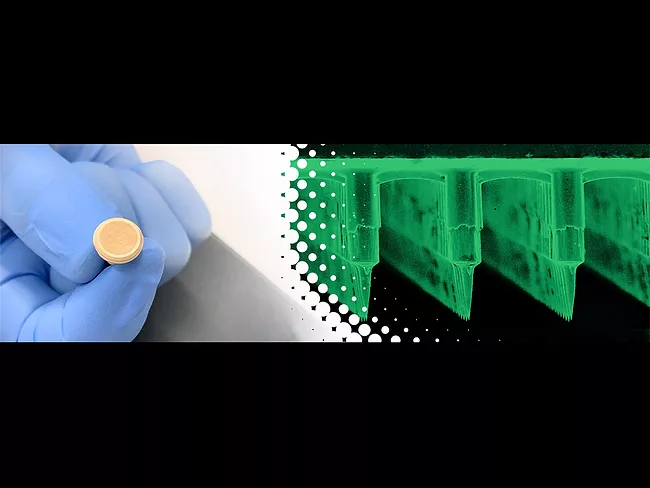
SK Bioscience Co. Ltd. and Vaxxas Pty. Ltd. have entered into a joint development agreement that could revolutionize vaccines by developing a vaccine-delivery device combination product using Vaxxas’ high-density microarray patch (HD-MAP) coupled with SK Bioscience’s typhoid vaccine, Skytyphoid.

 RSS
RSS