The U.K. Medicines and Healthcare products Regulatory Agency (MHRA) is to offer an early review of nonanimal data to give companies more confidence that evidence generated with new approach methodologies, such as organoids and microphysiological systems, will be accepted as part of marketing authorization applications.
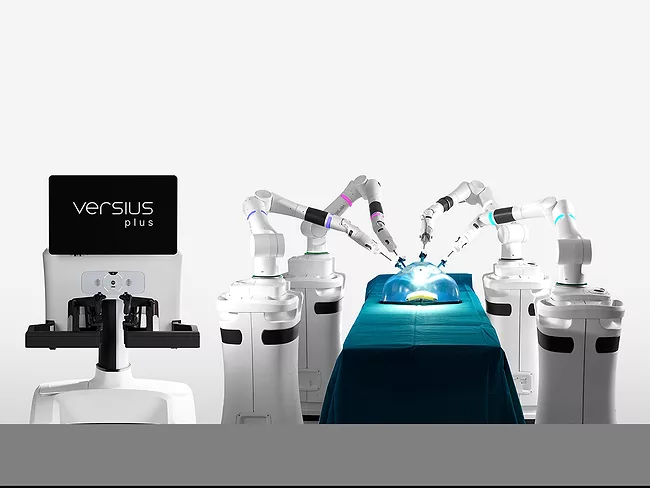
CMR Surgical Ltd.’s participation in Nvidia’s Physical AI health care robotics initiative is expected to accelerate the development of the next generation of intelligent surgical robotic systems powered by data, simulation and AI. As demand for minimally invasive procedures grows, more companies are entering the surgical robotics space.
At BioEurope Spring 2026, pharma representatives and investors shared their thoughts about current and future landscapes of different disease areas, and on how to move toward success – both at the level of individual companies and for indications as a whole.
Newco Immutrin Ltd. has raised £65 million (US$86.9 million) in a series A to take its lead antibody program through to clinical proof of concept in transthyretin amyloid cardiomyopathy.
The first day of Bio-Europe Spring, being held for the first time in Lisbon this year, featured panels on the partnering landscape in specific indications, as well as a more general panel on “Piecing Together the Therapeutic Landscape with Analyst Insights.” One theme of the panel was that by and large, large companies are looking for deals with companies that fit with their existing programs – but that such a fit can come in many forms.
With incidence of kidney cancer rising in the U.K., the National Institute for Health and Care Excellence (NICE) published its first comprehensive guidelines for diagnosing and treating the disease.
Laigo Bio BV has extended its seed round to €17 million (US$19.8 million), after making progress with translating its novel E3 ubiquitin ligase targeted protein degradation technology toward the clinic.
T-cell engager company Kali Therapeutics Inc. licensed its lead product, CD19/BCMA/CD3 trispecific antibody KT-501, to Sanofi SA in a global deal that could be worth more than $1.2 billion. The San Mateo, Calif.-based biotech first emerged in 2024 and moved KT-501 into a phase Ia trial last week to treat adults with rheumatoid arthritis.
Overall, results from the phase III Valor trial testing Lyme disease vaccine PF-07307405 “strengthen confidence” in the candidate, according to partners Pfizer Inc. and Valneva SE, with the big pharma now looking toward regulatory submissions. Investors, however, focused on the fact that the study, which demonstrated more than 70% efficacy in preventing Lyme disease in individuals, ages 5 and older, failed to hit the statistical criterion for the first prespecified analysis.
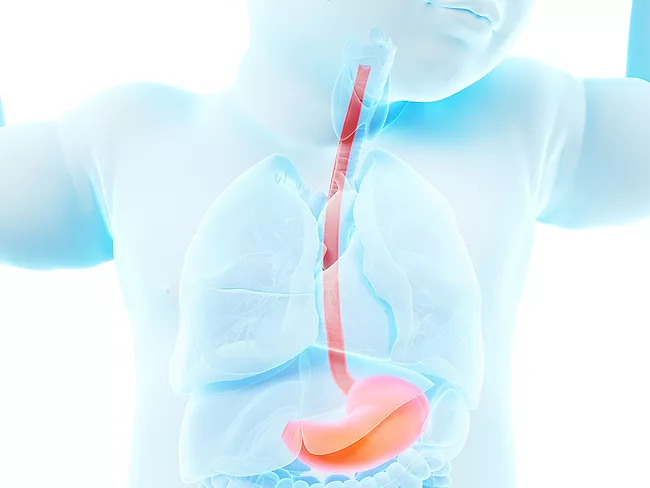
Scientists at Great Ormond Street Children’s Hospital in London have reported a new advance for tissue engineered grafts in a lab-grown esophagus that has sufficient muscle regeneration to coordinate peristalsis, enabling the recipient to swallow. The aim is to generate grafts that can be used to treat babies born with the rare congenital condition esophageal atresia, in which the esophagus fails to connect to the stomach, usually forming a close pouch instead.
 RSS
RSS