Four months after receiving a complete response letter from the U.S. FDA for tolebrutinib to treat non-relapsing secondary progressive multiple sclerosis, Sanofi SA received a positive opinion recommending approval in the EU.
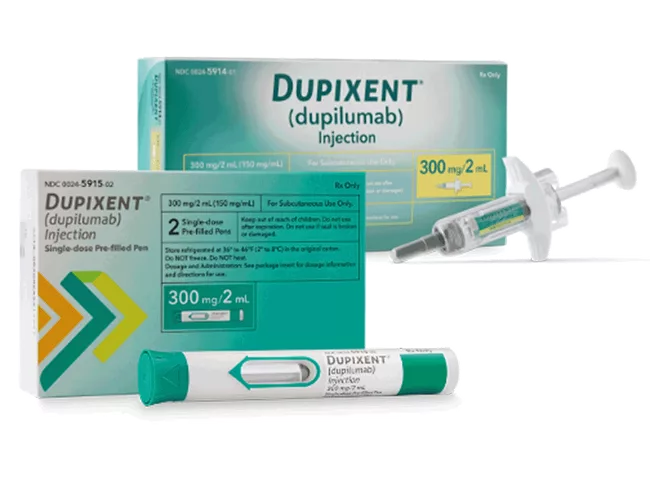
As Sanofi SA gets ready to welcome a new CEO, the company along with partner Regeneron Pharmaceuticals Inc. said a happy hello as well to robust sales of Dupixent (dupilumab, dupi) and gained U.S. FDA clearance for the IL-4 receptor alpha antagonist to treat children, ages 2 to 11, with chronic spontaneous urticaria who remain symptomatic despite histamine-1 antihistamine treatment.
Netris Pharma SA has delivered positive phase Ib data showing its first-in-class netrin-1 inhibitor NP-137 alleviates resistance to chemotherapy in pancreatic cancer. This could represent an important advance in treating these tumors, which are notoriously resistant to chemotherapy.
Xeltis BV has secured CE mark approval for Axess, its restorative vascular access conduit for hemodialysis. The company also released 12-month data from its EU pivotal trial on the technology, which showed strong durability outcomes, including 79% secondary patency and a very low patency‑related reintervention rate of 1.3 per patient-year, as well as a substantial reduction in infection burden.
A new study tracking the genomic evolution of chronic myeloproliferative neoplasms has shown that progression to myelofibrosis or acute myeloid leukemia is encoded in mutations that occur years before the transformation is clinically evident.
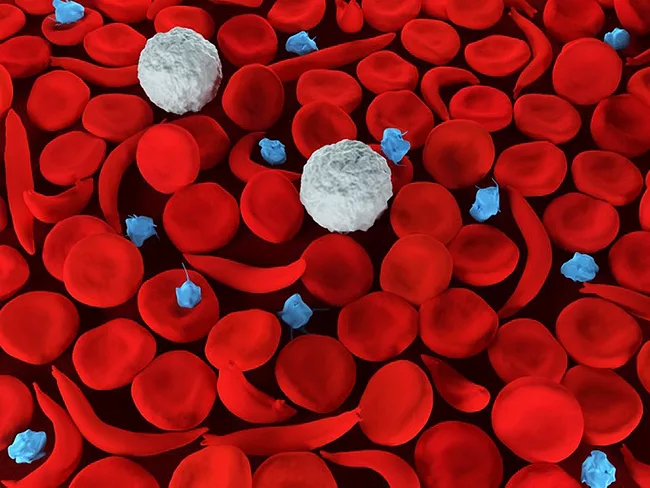
Novo Nordisk A/S reported top-line results from the phase III Hibiscus study of its pyruvate kinase-R activator, etavopivat, which was acquired through the 2022 buyout of Forma Therapeutics Holdings Inc. The results set up a potential competition for patients afflicted by sickle cell disease with fellow PKR activator mitapivat from Agios Pharmaceuticals Inc.
The ability of Ebenbuild GmbH’s digital twin technology to predict the deposition of inhaled drugs across the lungs has been validated in a study published in Nature Communications Medicine. The platform, which combines AI-driven image analysis and physics-based computational modeling, demonstrated strong agreement with in vivo imaging data across multiple inhalation scenarios.
Roche Holding AG is making good on its promise to try and convince the EMA of the benefits of Elevidys (delandistrogene moxeparvovec), announcing a further global phase III trial of the Duchenne muscular dystrophy gene therapy.
The ongoing controversy over the effectiveness of anti-amyloid drugs is about to get more heated, after a review of clinical trials showed statistically significant results do not read across to clinical benefit for patients with Alzheimer’s disease.
RNA epigenetics specialist Storm Therapeutics Ltd. has closed a $56 million series C to fund phase II development of its lead RNA enzyme inhibitor, STC-15, in treating myo- and liposarcomas, and announced that the first patient has been treated in the trial.
 RSS
RSS