Patients on antihypertensive medications who still struggle with high blood pressure now have a new treatment option, following the U.S. FDA’s approval of Astrazeneca plc’s baxdrostat. Branded Baxfendy, the drug is a first-in-class aldosterone synthase inhibitor, though it could be joined soon by potential competitor Mineralys Therapeutics Inc., which has a December 2026 PDUFA date for its aldosterone synthase inhibitor, lorundrostat.
In further fallout from the COVID-19 pandemic, the EU has now reached agreement on the Critical Medicines Act, which aims to boost European manufacturing capacity for drugs and their active ingredients, and enable member states to organize joint procurement to improve access to orphan drugs.
Sonomind SAS raised €20 million (US$23 million) in a series A funding round for its ultrasound-based neuromodulation technology for depression. The funds will be used for clinical trials of the non-invasive device, which uses a custom-made acoustic lens to precisely target deep regions within the brain to bring relief to patients suffering from treatment-resistant depression.
The number of cases of hantavirus infection has risen from eight to 11, following the repatriation of passengers from the cruise ship MV Hondius, with World Health Organization (WHO) Director General Tedros Adhanom Ghebreyesus warning the danger is not over. “In fact, it has entered a new phase as the passengers and crew return home,” he told attendees of a meeting at WHO’s headquarters in Geneva on May 13.
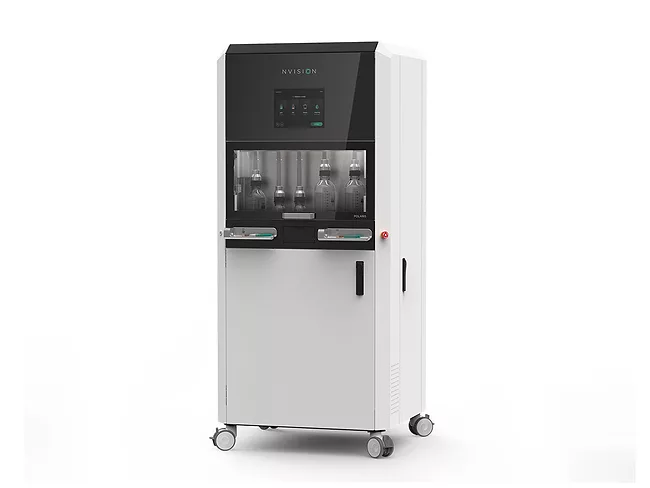
Nvision Imaging Technologies GmbH raised $55 million in a series B financing round led by Abbott Laboratories for its quantum-enhanced sensing platform, Polaris, which uses quantum technology to boost the MRI signal of sugar-based imaging agents to enable real-time measurement of metabolism on standard MRI systems. Sella Brosh, CEO and co-founder of Nvision, told BioWorld that the funds are extremely important as the company is scaling the Polaris systems to many more sites worldwide, which is a capital intensive process.
The U.K. Medicines and Healthcare products Regulatory Agency (MHRA) has opened a consultation on changes it is proposing to the legal definition of gene therapies, to reflect the advances in technology and manufacturing over the two decades since the current legislation was drawn up. The aim is to correct the mismatch between regulatory terminology and modern science, which MHRA says “can lead to uncertainty” over how a product is classified and to “inconsistent oversight and potential barriers for developers."
Companies seeking a break in the soon-to-be-implemented U.S. Section 232 biopharma tariffs have 30 days to apply for a company-specific onshoring agreement with the Department of Commerce, according to the procedures the department laid out in a notice to be published in the May 13 Federal Register.
Roche Holding AG secured CE marking for the Elecsys plasma phosphorylated-tau 217 blood test designed to rule in and rule out amyloid pathology, a hallmark of Alzheimer's disease. Developed with Eli Lilly and Co., the test brings to the market another much-needed solution to help clinicians diagnose Alzheimer’s patients following the FDA approval of Fujirebio Diagnostics Inc.’s blood test last year.
The initial appraisal of the first complete genome sequence of a hantavirus isolated from a patient in Switzerland who was a passenger on the cruise ship MV Hondius is consistent with a spillover from its natural reservoir, rather than the emergence of a markedly altered virus.
Scarlet Therapeutics Ltd. has demonstrated its manufactured red blood cells (RBCs) act in the same way as their natural counterparts in vivo, opening the way for the cells to be used as drug delivery vehicles and raising the possibility they could replace conventional blood transfusions. To build on this, Scarlet has closed a $4 million seed round to work on the first clinical application, in which RBCs loaded with therapeutic proteins will be used to treat rare metabolic diseases.
 RSS
RSS