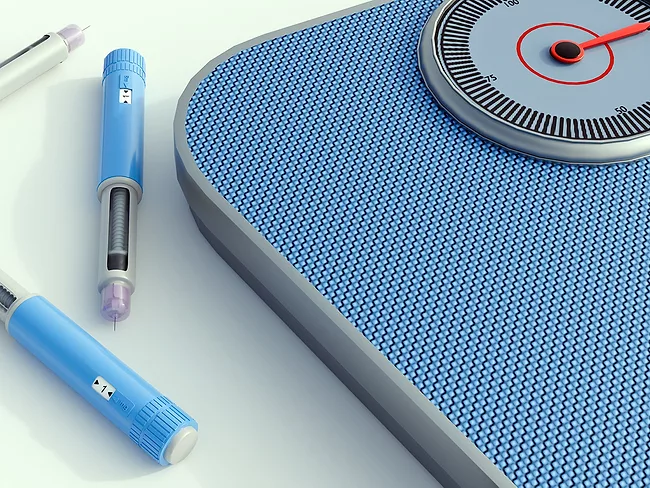
A new study has reinforced that GLP-1 receptor agonists are unlikely to produce durable weight loss, but indicates that rather than returning to the starting weight, individual weight gain will plateau at 75.5% of the weight lost.
On the heels of China’s approval of Sino Biopharmaceutical Ltd.’s rovadicitinib, Sanofi SA is now inlicensing the first-in-class dual JAK/ROCK inhibitor in a deal worth more than $1.4 billion.
Polares Medical SA raised $50 million in a series C financing round for Mrace, its posterior leaflet replacement system designed to treat mitral regurgitation.
Belgian pharma giant UCB SA is putting skin in the bispecific T-cell engager (TCE) game, announcing a potential $1.1 billion deal to license Antengene Corp.’s ATG-201. ATG-201 is a CD19/CD3 bispecific TCE antibody aimed at autoimmune disorders, though specific indications were not disclosed.
Quell Therapeutics Ltd. has delivered the first clinical data indicating its chimeric antigen receptor (CAR) T regulatory cell therapy, QEL-001, can enable liver transplant patients to be weaned off long-term immunosuppression.
Radnet Inc. acquired Gleamer SAS for up to €230 million (US$267 million) as it continues to expand its position across imaging and acute diagnostic care, while accelerating its move toward AI-powered automated diagnostics. Gleamer will be integrated into Radnet’s subsidiary, Deephealth Inc., strengthening its imaging portfolio, and positioning the company as the world’s largest provider of radiology clinical AI solutions.
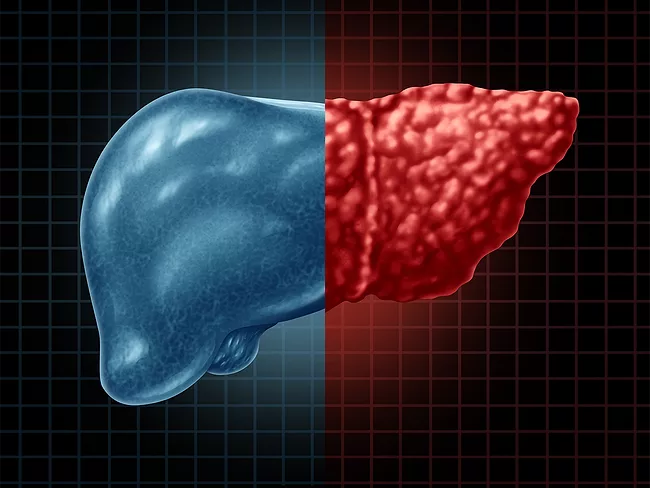
Boehringer Ingelheim GmbH is stopping development of OSE Immunotherapeutics SA’s BI-770371 in metabolic dysfunction-associated steatohepatitis (MASH), after the SIRPα antagonist failed to show efficacy in a phase II study. Codevelopment of BI-770371 will continue for oncology indications, however, which was the initial target of the duo’s €1.4 billion (US$1.6 million) partnership in 2018.
Another phase III failure of Theravance Biopharma Inc.’s norepinephrine reuptake inhibitor ampreloxetine to treat symptomatic neurogenic orthostatic hypotension, this time in patients with the rare disease multiple system atrophy, means the end of the company’s R&D efforts. Cutting its workforce in half and terminating all development of ampreloxetine, its only pipeline product, the Dublin-based company’s shares (NASDAQ:TBPH) sank by 26%, or $4.99, to close March 3 at $13.96.
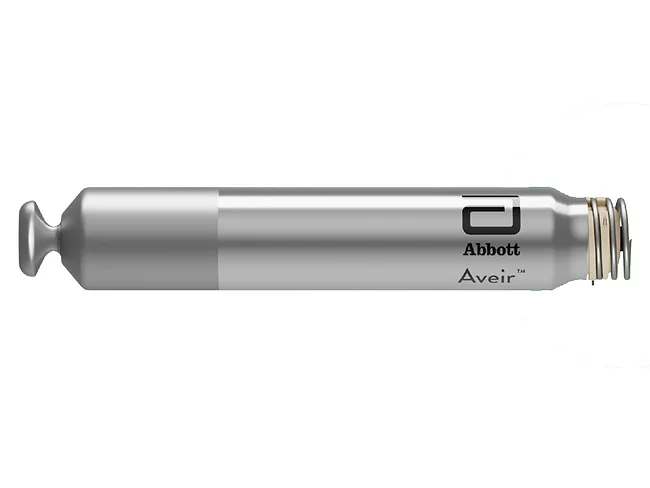
The U.K.’s National Institute for Health and Care Excellence (NICE) recommendation that leadless cardiac pacemakers be used as the standard of care for people with slow heart rhythms (bradyarrhythmias) is a boon for more than 2 million individuals living with the condition. The use of the technology will transform patients’ quality of life, reduce rates of infections and lower costs for the health care system.
Uniqure NV is the latest firm to get caught between the FDA’s shifting demands for “gold standard” science and regulatory flexibility for rare disease therapies. The company disclosed in its latest earnings report that U.S. regulators are calling for a sham-controlled study before they will consider approval of gene therapy AMT-130 in Huntington’s disease, a requirement that could set the program back by two to three years and raises potential ethical issues.
 RSS
RSS