Infex Therapeutics Ltd. has published positive phase IIa data for its lead program, RESP-X, in the treatment of exacerbations of chronic respiratory infections caused by Pseudomonas aeruginosa and is now laying the ground for phase IIb development, after raising £4.3 million (US$5.8 million) in new capital.
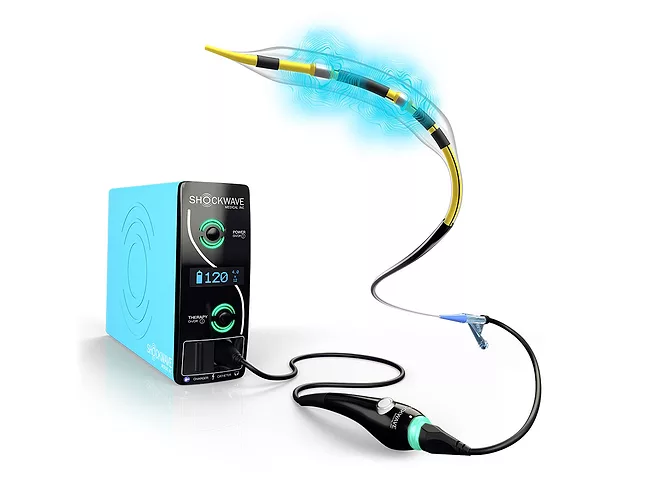
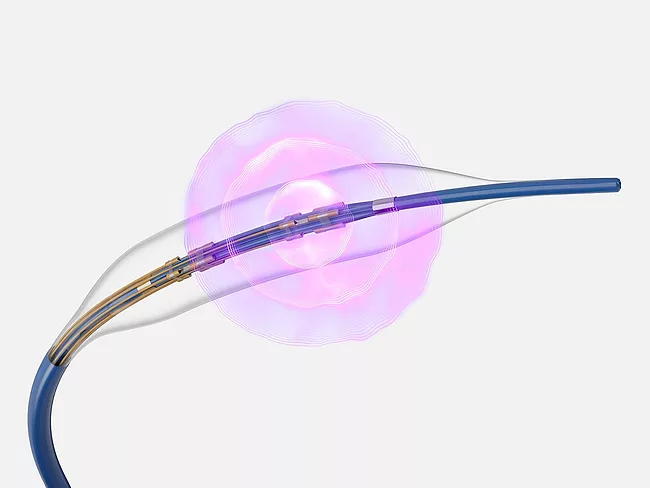
As interests and competition in the intravascular lithotripsy (IVL) market heats up, Shockwave Medical Inc. said it believes that its latest coronary IVL catheter, the C2 Aero, and other projects in the pipeline, will help it to maintain its leadership in calcium modification.
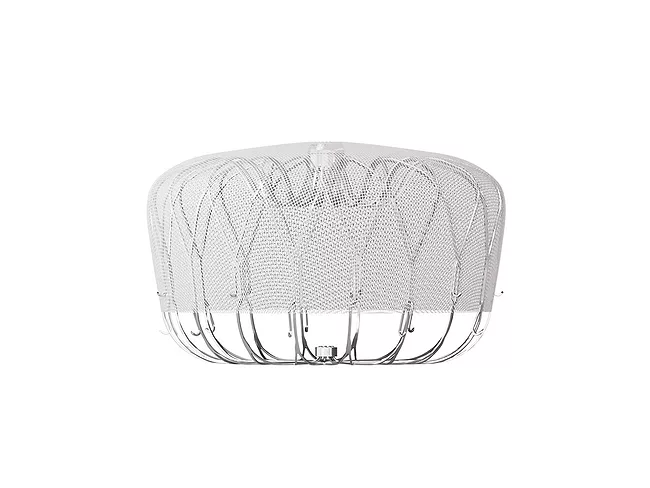
A subgroup analysis of data from Boston Scientific Corp.’s Champion-AF trial, which looked at the outcomes for patients with atrial fibrillation treated with a left atrial appendage closure (LAAC) device compared to direct oral anticoagulants (DOACs), found that the efficacy and safety of LAAC compared to DOAC are not affected by age. The data were presented at the EuroPCR conference in Paris.
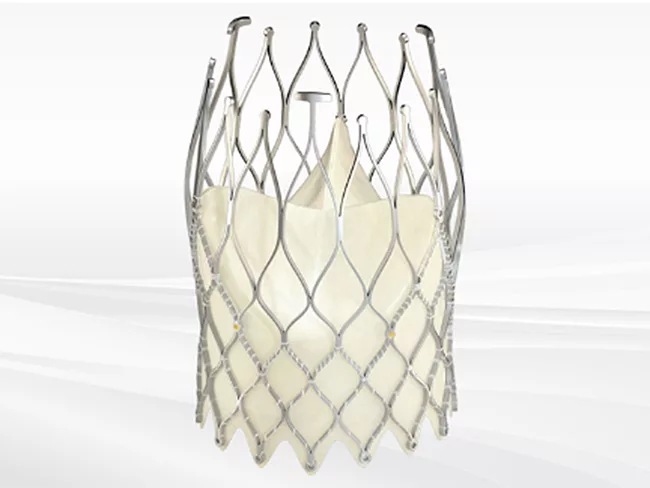
Data from the All Women clinical trial, which looked at the Allegra transcatheter aortic valve replacement (TAVR) system compared to balloon-expandable valves (BEV) in women with aortic stenosis, showed that Allegra delivered lower mean gradients and less prosthesis-patient mismatch than BEVs. The data presented at the EuroPCR conference in Paris was the first randomized head-to-head comparison of different TAVR platforms conducted exclusively in women.
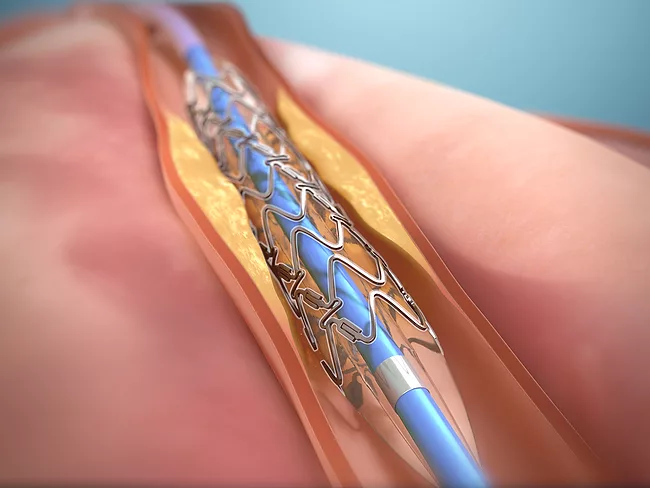
Elixir Medical Corp. reported four-year data from the Bioadaptor randomized controlled trial presented at the EuroPCR conference in Paris, which showed that patients with coronary artery disease treated with its Dynamx coronary drug-eluting bioadaptor system experienced significantly lower event rates compared to those treated with Medtronic plc’s Resolute Onyx drug-eluting stent, including reduction in cardiovascular death.
Boston Scientific Corp. reported positive results from the Fracture investigational device exemption trial which evaluated its Seismiq 4CE coronary intravascular lithotripsy (IVL) catheter in patients with severely calcified coronary artery disease. Late-breaking data presented at the EuroPCR conference in Paris showed that the pivotal study met its primary safety and effectiveness endpoints, with high rates of freedom from major adverse cardiac events at 30 days and strong procedural success.
Patients on antihypertensive medications who still struggle with high blood pressure now have a new treatment option, following the U.S. FDA’s approval of Astrazeneca plc’s baxdrostat. Branded Baxfendy, the drug is a first-in-class aldosterone synthase inhibitor, though it could be joined soon by potential competitor Mineralys Therapeutics Inc., which has a December 2026 PDUFA date for its aldosterone synthase inhibitor, lorundrostat.
In further fallout from the COVID-19 pandemic, the EU has now reached agreement on the Critical Medicines Act, which aims to boost European manufacturing capacity for drugs and their active ingredients, and enable member states to organize joint procurement to improve access to orphan drugs.
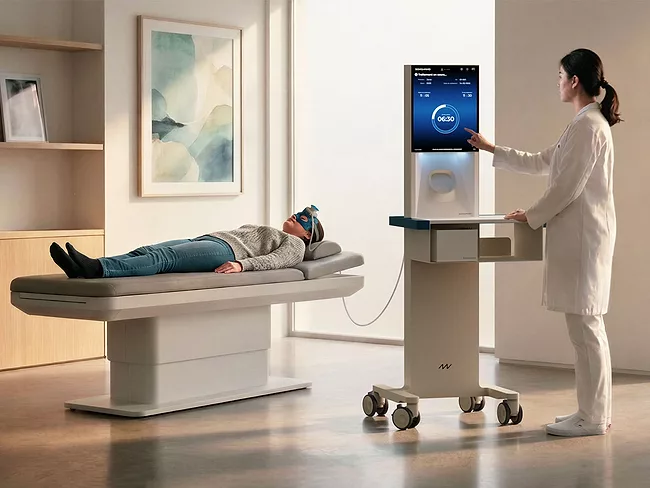
Sonomind SAS raised €20 million (US$23 million) in a series A funding round for its ultrasound-based neuromodulation technology for depression. The funds will be used for clinical trials of the non-invasive device, which uses a custom-made acoustic lens to precisely target deep regions within the brain to bring relief to patients suffering from treatment-resistant depression.
The number of cases of hantavirus infection has risen from eight to 11, following the repatriation of passengers from the cruise ship MV Hondius, with World Health Organization (WHO) Director General Tedros Adhanom Ghebreyesus warning the danger is not over. “In fact, it has entered a new phase as the passengers and crew return home,” he told attendees of a meeting at WHO’s headquarters in Geneva on May 13.
 RSS
RSS