In a sea of uncertainty, a large-scale, long-term Swedish study is the first to show that people using GLP-1 receptor agonists are less likely to have worsening mental illness. The study involved a national cohort of 95,490 people diagnosed with depression or anxiety disorder, who also were treated with any diabetes drug (apart from insulin).
Atrogi AB is making a bid for a slice of the obesity market and has dosed the first overweight subjects with ATR-258, an oral therapy it says mimics the effects of exercise, driving loss of fat whilst sparing muscle.
Roche Holding AG received CE Mark approval for its Elecsys Apolipoprotein E4 (ApoE4) biomarker test, an in vitro diagnostic immunoassay to identify the ApoE4 gene variant from a blood sample. With APOE4 considered as the strongest genetic risk factor for developing Alzheimer’s disease, the test provides a fast, reliable way to determine whether an individual carries the genetic variant without the need for DNA‑based genotyping.
Mestag Therapeutics Ltd. has raised a $40 million round from existing investors as it completes final preparations for its lead program MST-0312 to enter clinical development in mid-2026. MST-0312 is a bispecific antibody aimed at the lymphotoxin-β receptor (LTBR), which is essential for the development of lymphoid tissues.
Amplifon SpA signed a definitive agreement with GN Store Nord A/S to acquire its entire hearing business for €2.3 billion (US$2.64 billion) on a cash-free and debt-free basis. The move by Amplifon will see it become a fully vertically integrated global player poised to transform the hearing care industry.
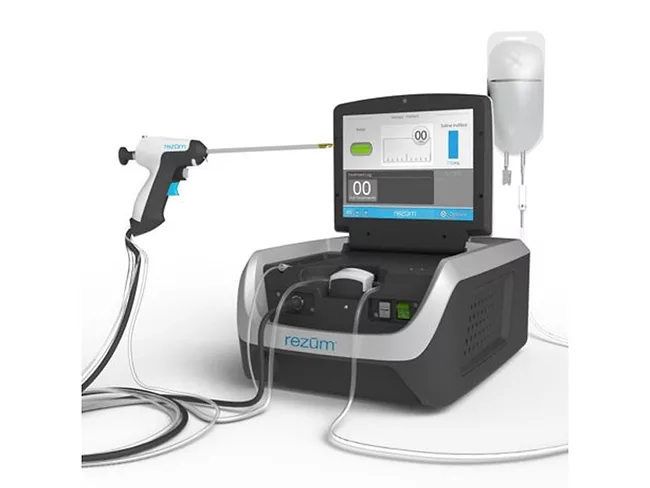
Boston Scientific Corp.’s Rezūm Water Vapor Therapy is superior at providing symptom relief for men with benign prostatic hyperplasia (BPH) than combination drug therapy, according to 12-month data from the Vapeur clinical trial. Patients treated with Rezūm, a minimally invasive therapy, also saw a better preservation of their sexual function.
Enodia Therapeutics Inc. was spun out of The Institut Pasteur by Argobio Studio based on the work of Caroline Demangel, co-founder of Enodia and head of the immunobiology and therapy unit at The Institut Pasteur. Demangel’s lab discovered the mechanism of action of mycolactone, a natural Sec61 inhibitor that causes Buruli ulcers.
Newco Kyron Bio is showing its colors after sealing a research agreement with Servier SA, underpinning a claim that it has overcome one of the longest-running challenges of the biotech industry, and developing technology to precisely control the glycosylation of therapeutic proteins.
U.K. biopharma is working with the country’s space agency and Civil Aviation Authority (CAA) to plot a route for manufacturing biologic drugs in low earth orbit.
Stryker Corp. is scrambling to recover from a cyberattack that’s disrupting its global network and being claimed by pro-Iranian hackers. “At this time, there is no indication of malware or ransomware, and we believe the situation is contained to our internal Microsoft environment only,” the Kalamazoo, Mich.-based med-tech company said March 12.
 RSS
RSS



-biomarker-test.webp?height=488&t=1773783523&width=650 "Elecsys Apolipoprotein E4 (ApoE4) biomarker test")