Nuevocor Pte. Ltd. has closed a $45 million series B, enabling it to move lead gene therapy NVC-001 into the clinic in the treatment of an inherited form of cardiomyopathy.
First quarter 2025 results presentations were the first chance analysts have had to quiz pharma companies in public about their exposure to the threat of U.S. import tariffs and what action they are taking to mitigate the risks. BioWorld reporters have listened in to the analyst meetings and filleted out responses to the tariff question by CEOs and senior executives, to get an overview of how the sector as a whole is responding. One thing is very clear: While pharmaceuticals are for now exempt from tariffs, the industry has been bracing for their imposition whilst at the same time lobbying strongly against them, on the grounds that drug shortages could result.
“We are prepared for every scenario, even though we don’t know what some of those are.” That sums up the message from executives of Astrazeneca plc, GSK plc and Sanofi SA, when quizzed during presentations of their first-quarter 2025 results this week, about the fallout if pharmaceuticals they import to the U.S. are subject to tariffs.
Off-the-shelf cancer vaccine specialist Nouscom AG announced positive final results for its lead product, Nous-209, showing there was a “highly potent” and durable immune response in carriers of Lynch syndrome, a common hereditary condition that can increase the lifetime risk of cancer by as much as 80%. The data, presented at the annual American Association for Cancer Research meeting on April 29, indicate Nous-209 elicits a cancer-preventing effect.
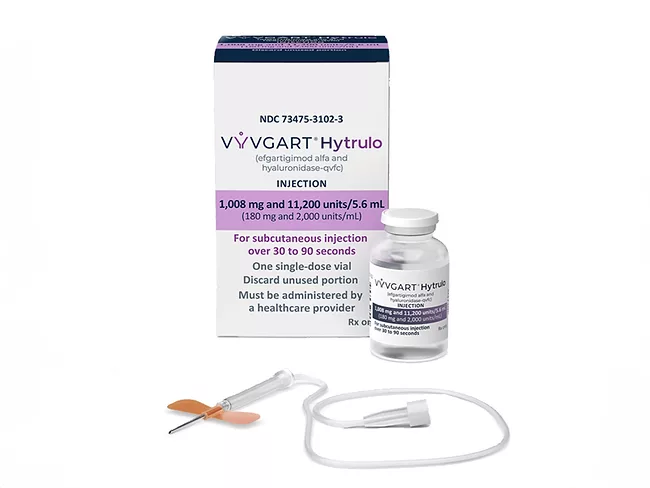
Argenx NV is now well on the way to establishing a Vyvgart (efgartigimod alfa) franchise in severe autoimmune diseases, after getting the nod from the EMA in the treatment of progressive or relapsing chronic inflammatory demyelinating polyneuropathy.
Named after Swiss mountains, Granite Bio AG emerged from stealth with $70 million in funds through a series B to advance two immunology treatments incubated at Versant Ventures.
“They are not zombies, they are fallen angels.” That is view of Nick Johnston, a U.K-based banker who has come up with a new plan to rescue listed companies whose market capitalizations have fallen below the cash in hand after failures in clinical development programs.
Europe was a bigger counterpart to China in pharmaceutical dealmaking than the U.S. last year, speakers at Chinabio Partnering Forum said April 23, and the trend is likely to continue in 2025 with the shuttering of U.S. capital and volatility ailing global markets.
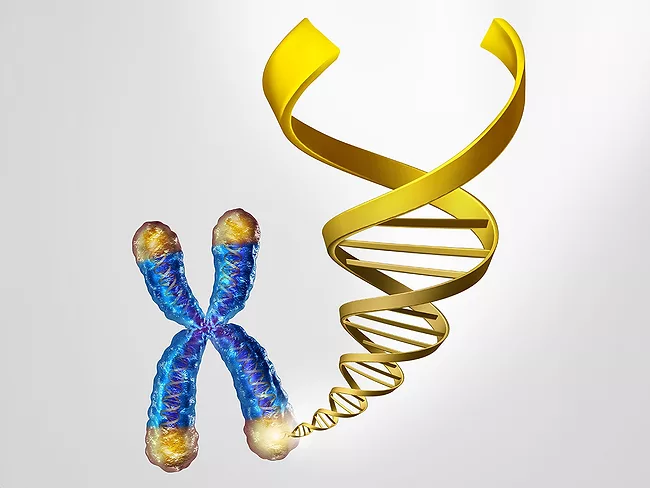
Synthetic lethality specialist Tessellate Bio NV has closed its first deal, agreeing to a €500 million-plus (US$570 million) research and license agreement with Boehringer Ingelheim GmbH, to develop small molecules targeting tumors that depend on alternative lengthening of telomeres (ALT) for their growth.
Roche AG has become the latest pharmaceutical company to respond to the Trump administration’s threat to impose tariffs, saying it will invest $50 billion in drug and diagnostics manufacturing in the U.S. over the next five years. That figure matches a similar commitment by its Basel, Switzerland-based neighbor, Novartis AG, which on April 11 said it would be investing almost $50 billion in the U.S., also over the next five years.
 RSS
RSS