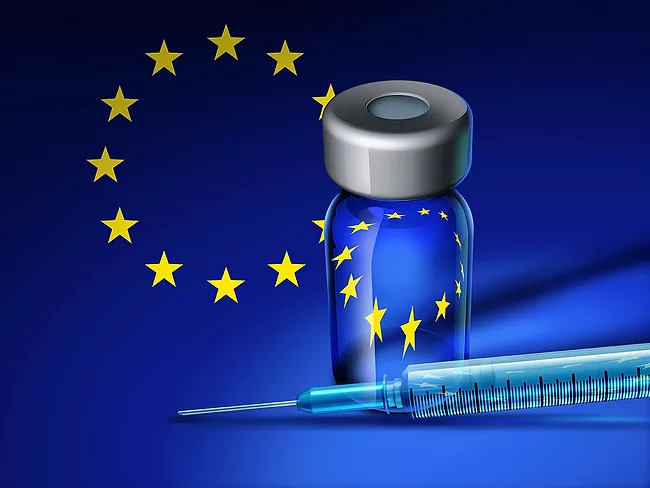
Bio-Thera Solutions Inc. announced Aug. 26 that the European Commission cleared Usymro (BAT-2206) as a biosimilar to Janssen Pharmaceuticals Inc.’s Stelara (ustekinumab). The EMA issued marketing authorization for Usymro on Aug. 14, following the EMA’s Committee for Medicinal Products for Human Use adopting a positive opinion on June 19.
New research has filled in missing links between gene variants that have been implicated in disease through genome-wide association studies and how the variants drive disease pathology. The research involved using induced pluripotent stem cells derived from healthy donors and transforming them into macrophages. These were then exposed to 24 different stimuli mimicking infection and inflammation, and the gene expression profiles assessed six and 24 hours later, to see which genes were turned on or off in response.
Beone Medicines Ltd. (formerly Beigene Ltd.) is selling its worldwide royalty rights on Imdelltra (tarlatamab) sales, excluding China, to Royalty Pharma for up to $950 million.
French vaccines specialist Osivax SAS has been awarded $19.5 million by the U.S. Biomedical Advanced Research and Development Authority (BARDA) to fund work on its universal influenza A vaccine.
Negotiations between the U.K. government and the pharmaceutical industry have broken down with no agreement over the level of rebates companies must pay back to the government under the current voluntary pricing scheme. The two sides have been locked in discussions since April, when the government agreed to bring forward a midterm review of the Voluntary Scheme for Branded Medicines Pricing, Access and Growth (VPAG).
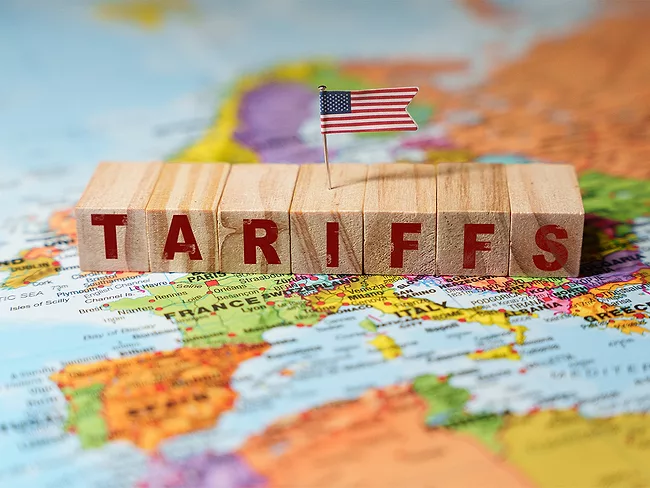
No matter what level of tariff the Trump administration ends up imposing on biopharmaceuticals across the world, drugs and their precursors originating in the EU will face no more than a 15% tariff when imported to the U.S., according to an Aug. 21 EU-U.S. joint statement regarding the trade framework agreement between the two trade partners.
An investigation of the epidemiology and clinical characteristics of neuropathic pain in the UK Biobank has led to the discovery of a new pain gene and potential analgesic drug target in the peripheral nervous system. The gene, SLC45A4 (solute carrier 45A4), codes for a transporter that is involved in trafficking polyamines known to be involved in pain, across the cell membrane.
Showing similar results as the first phase III trial completed in 2022, Nicox SA’s nitric oxide-donating bimatoprost eye drop, NCX-470, met the primary endpoint in the phase III Denali trial for open-angle glaucoma or ocular hypertension, clearing the way for regulatory filings in both the U.S. and China.
With the trial sites now open for its CRISPR-edited T-cell receptor immunotherapy trial, Anocca AB has raised SEK440 million (US$46 million) to fund the phase I part of the multicenter study to completion. The company’s engineered T-cell receptor T-cell therapy (TCR-T) is first being tested against KRAS mutations in pancreatic cancer.
Adding another name to an impressive roster of partners assembled over the past few years, Skyhawk Therapeutics Inc. inked a neurology-focused deal with Merck KGaA aimed at discovering small-molecule RNA-targeted drugs that could be worth more than $2 billion.
 RSS
RSS