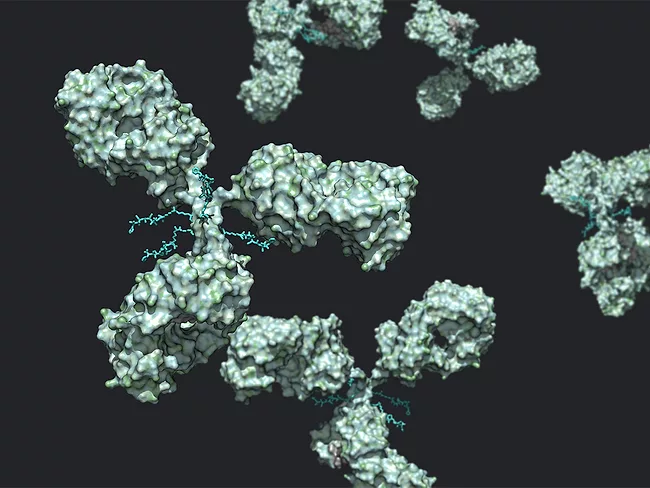
A day after investing $40 million in China’s D3 Bio Inc., London-based venture capital firm Medicxi is investing $25 million to co-found a new U.K.-based company called Petalion Therapeutics Ltd. that will focus on an early stage oncology asset from Australia’s Starpharma Holdings Ltd. to develop novel dendrimer-based treatments.
Medicxi has made its first ever investment in China – and its biggest single commitment to date – putting $40 million into D3 Bio Inc. The investment by the London-based venture capital firm will accelerate development of D3’s lead program D3S-001, a second generation KRAS G12C inhibitor, which is in phase II development in advanced solid tumors.
With nine months to go before their introduction, the industry is flagging many uncertainties around the proposed guidelines for implementing joint clinical assessments.
Microbiome specialist Enterobiotix Ltd. has raised £27 million (US$34.2 million) in a series B round as it starts a phase II trial of EBX-102-02 in the treatment of irritable bowel syndrome.
Investors might not have been overly excited, but Genmab A/S executives enthused about the “complementarity” of its proposed acquisition of antibody-drug conjugate (ADC) specialist Profoundbio Inc. for $1.8 billion in cash. The deal, expected to close in the first half of 2024, marks the biggest by far for the Copenhagen, Denmark-based biopharma and the latest transaction for the red hot ADC space.
Addex Therapeutics has offloaded its portfolio of preclinical allosteric modulation drugs into Neurosterix, a new company that arrives on the scene with a $63 million series A round.
The U.S. FDA accepted for review Daiichi Sankyo Co. Ltd.’s and Astrazeneca plc’s BLA for datopotamab deruxtecan to treat adults with unresectable or metastatic hormone receptor-positive, HER2-negative breast cancer who have received prior systemic therapy for unresectable or metastatic disease.
Jumping in for the first time to the hot antibody-drug conjugate (ADC) space, Paris-based Ipsen SA pulled in exclusive global rights to a preclinical ROR1-targeting candidate from Sutro Biopharma Inc. in a deal worth up to $900 million. STRO-003, the first ADC to join Ipsen’s portfolio, contains an anti-ROR1 human IgG1 antibody (SP-11385) conjugated to an exatecan warhead, or payload.
Europe may still await its first disease-modifying Alzheimer’s drug after the EMA postponed its decision on Leqembi (lecanemab, Biogen Inc./Eisai Co. Ltd) on March 22, but leading members of the World Dementia Council were in an optimistic mood when they convened in London four days later.
In what co-founder and CEO Claudia Ulbrich called the “right decision with right partner at the right point in time,” Cardior Pharmaceuticals GmbH agreed to an acquisition by Novo Nordisk A/S in a deal worth up to €1.025 billion (US$1.1 billion) that puts a potentially disease-modifying heart failure candidate in the hands of a big pharma player in the midst of establishing its presence in cardiovascular disease.
 RSS
RSS