Not satisfied with the findings of a World Trade Organization (WTO) dispute panel, Turkey informed the WTO April 28 that it has initiated arbitration proceedings to review those findings, which involve an EU complaint about measures Turkey employs concerning the production, importation and marketing of prescription drugs.
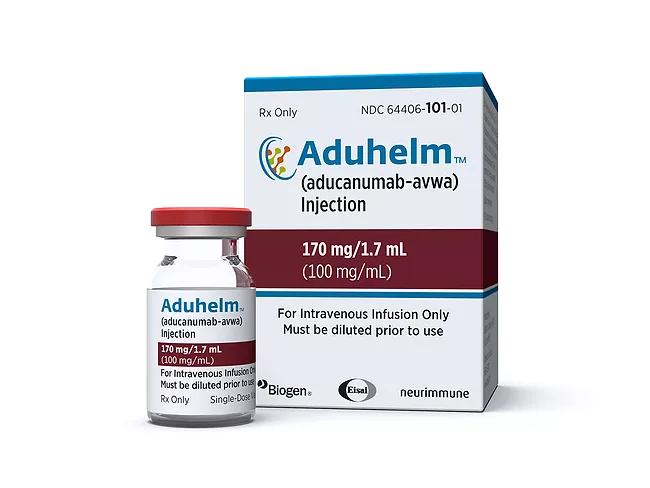
Biogen Inc. has given up on its attempt to get its Alzheimer’s disease drug Aduhelm (aducanumab) approved by regulators in Europe, deciding to withdraw its filing midway through a review of a previous rejection. The company had asked the European Medicines Agency’s CHMP to reconsider its negative opinion for Aduhelm in December 2021. But its subsidiary in the Netherlands wrote to the EMA this week saying that it had decided to withdraw its marketing authorization application after all.
The U.K.’s drugs regulator has approved the COVID-19 vaccine from Valneva SE – although the shot is likely only to be offered to health workers in Scotland after the Westminster government rejected it because rivals beat it to market.
Making it a done deal, the European Council adopted proposals April 12 to ensure the continued long-term supply of medicines from Great Britain to Northern Ireland and to address supply concerns in Cyprus, Ireland and Malta, which historically have been dependent on drugs from the U.K.
The U.K. plan to fix the market failure in antibiotics has taken a significant step forward with the publication of guidance estimating the value of two drugs to the National Health Service.
Takeda Pharmaceutical Co. Ltd. has stress-tested Engitix Ltd.’s extracellular matrix (ECM) drug discovery platform and is coming back for more, expanding the existing collaboration from liver fibrosis to inflammatory bowel disease (IBD).
The biopharma industry signed on to a new pledge to increase the availability of innovative drugs across the EU and shave months from the time patients in some EU member states must wait for access to new drugs. Members of the European Federation of Pharmaceutical Industries and Associations committed to file for pricing and reimbursement in all EU countries as soon as possible and no later than two years after receiving central EU market authorization – if local systems allow it.
Shares in Gensight Biologics SA dropped by as much as 41% April 7 on news that the Paris-based gene therapy firm failed to complete a second manufacturing campaign within five months, a setback that could delay a commercial launch of its lead product, Lumevoq, by at least a year.
Citing the lack of clear evidence that vaccine protection against severe COVID-19 disease is substantially waning in the EU in people younger than 80, the European Centre for Disease Prevention and Control and the EMA’s COVID-19 task force concluded that it’s too early to consider using a fourth dose, or second booster, of mRNA COVID-19 vaccines in the general population.
Still reeling from the impact COVID-19 has had on its research activities and funding, Cancer Research UK is to launch a new organization combining all its drug discovery expertise in a single team, with a single portfolio, later this month.
 RSS
RSS