GPCR drug discovery and development specialist Confo Therapeutics NV has closed a €60 million (US$65.2 million) series B round that will fund a significant expansion of the inhouse portfolio while it continues to turn the handle on its technology platform to generate more compounds for partnering.
Biogen Inc. and partner Eisai Co. Ltd. said the EMA’s Committee for Medicinal Products for Human Use has adopted a negative opinion on the marketing bid for lecanemab in early Alzheimer’s disease (AD) and mild AD. The humanized anti-soluble aggregated amyloid-beta monoclonal antibody is approved in the U.S., Japan, China, South Korea, Hong Kong and Israel, and is being sold in the U.S., where it’s branded Leqembi, as well as Japan and China. Eisai, of Tokyo, will ask the CHMP to re-examine the matter.
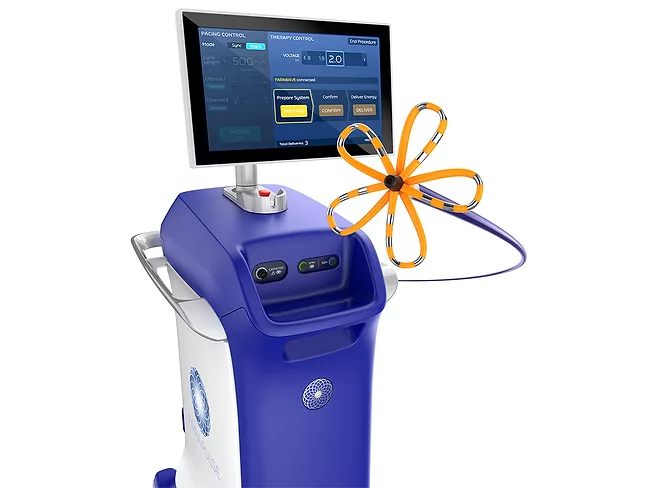
The first economic modelling of Boston Scientific Corp.’s pulsed field ablation system in U.K.’s National Health Service showed that it is more cost-effective as a treatment for paroxysmal atrial fibrillation compared to standard cryoablation.
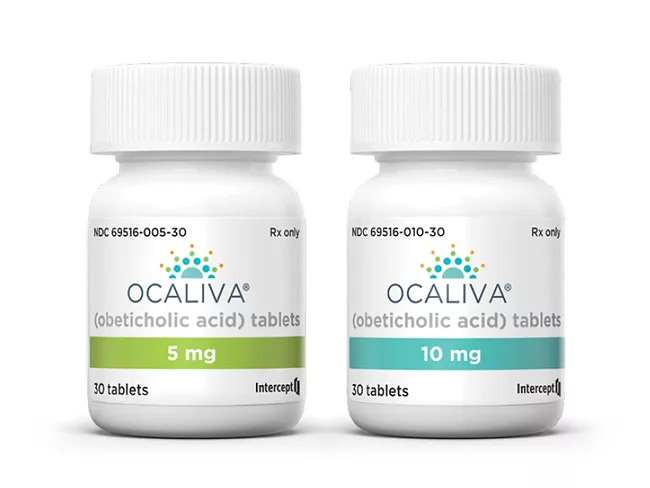
Those affected by primary biliary cholangitis (PBC) are fighting back against the recommendation by the EMA that the marketing authorization for Ocaliva (obeticholic acid), a second-line treatment used by 7,000 patients in Europe, be withdrawn. Earlier today, July 25, patients and their supporters staged a protest outside the European Commission building in Brussels to oppose EMA’s position that Ocaliva’s conditional license should be revoked.
Triastek Inc., of Nanjing, China, scored a potential $1.2 billion collaboration and platform technology license deal with Biontech SE to manufacture oral RNA therapeutics with 3D printing technology.
Tricares SAS raised $50 million in a series D financing round to support upcoming clinical trials in the U.S. and EU for its transfemoral tricuspid heart valve replacement system, Topaz.
Regulation of artificial intelligence for medical devices is still a developing space, but market competition authorities in the European Union, the U.K. and the U.S. are already examining the potential for anticompetitive behavior in this rapidly growing technological arena.
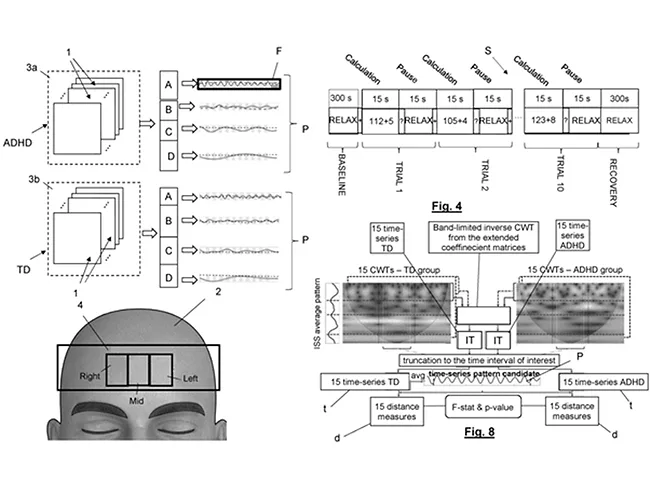
In just the second PCT filing published in the name of Newmanbrain SL, co-founders Carlos Belmonte and Joaquin Ibañez seek specific protection for the use of Newmanbrain’s functional near infrared spectroscopy system, Theia, in the diagnosis of attention deficit/hyperactivity disorder.
Triastek Inc., of Nanjing, China, scored a potential $1.2 billion collaboration and platform technology license deal with Biontech SE to manufacture oral RNA therapeutics with 3D printing technology.
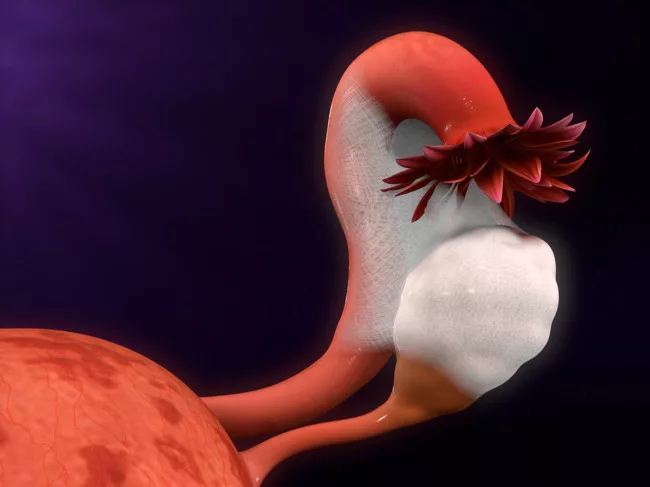
Swiss scientists developed hydrogel implants that could help prevent and treat endometriosis by blocking the fallopian tubes and stopping the passage of endometrial cells. The implants, though in their early stage of development, bode well for the millions of women suffering from the chronic condition.
 RSS
RSS