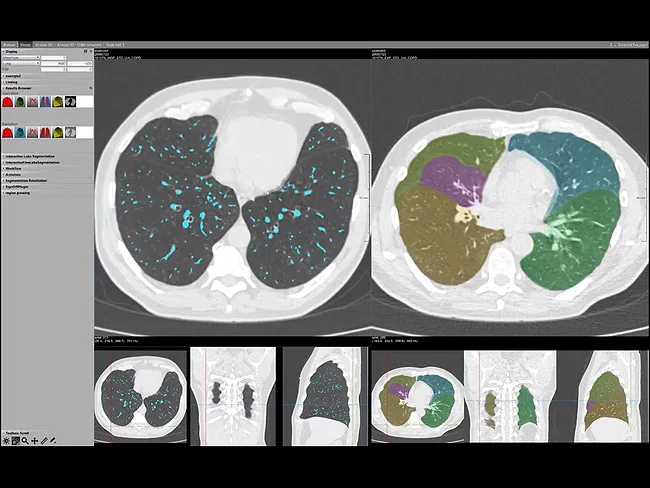
Thirona BV has been awarded $2.73 million in funding from the European Innovation Council (EIC) to fast-track the development of its artificial intelligence (AI)-based lung platform to analyze chest CT imaging. In competition with 554 other submissions, Thirona was one of 51 innovative technology companies awarded the EIC accelerator program grant, the total budget for which is €261 million (US$286.28 million) in 2023.
Electromedical Products International Inc. (EPI) Alpha-Stim AID technology is finally being made available by the NHS in the U.K. to treat patients with anxiety some two years after the National Institute for Health and Care Excellence (NICE) said there was not enough good-quality evidence to support the case for routine adoption.
After 50 years of censorship, there is now growing pressure on EU policymakers to stand up and play a role in promoting the development of psychedelics as medicines and in preparing the ground to ensure equitable access once there are approved products.
European biotechnology firms engaged in the discovery and development of new therapeutics collectively raised $1.9 billion in equity funding during the second quarter (Q2) of the year. Despite the ongoing lack of an IPO market – particularly for European firms – the total is roughly comparable with historic norms, absent the pandemic-related boom years of 2020 and 2021. It represents the fourth highest total raised during the last six years.
The U.K. National Institute for Health and Care Excellence (NICE) released several draft and final health technology assessments on July 5, including a review of the use of artificial intelligence (AI) to aid in the detection of lung nodules in CT images. The agency said that more research is needed before it will be able to provide an unqualified endorsement because of a relative lack of data that could be reliably generalized from clinical study subjects to the broader U.K. population at large.
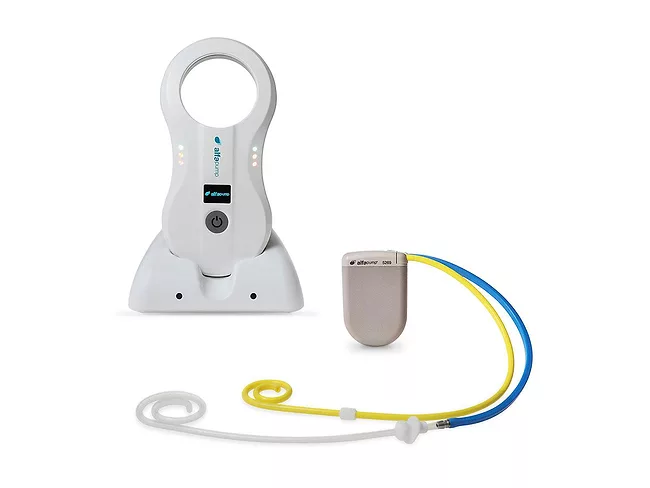
Sequana Medical NV has reported additional data on safety, survival and quality of life from its POSEIDON pivotal study in North America, evaluating its Alfapump device used in the treatment of patients with recurrent or refractory ascites caused by liver cirrhosis. The data were recently presented at the European Association for the Study of the Liver 2023 congress in Vienna.
The difficulties in rolling out the EU’s Medical Device Regulation are well known, but the attendant delays continue to exert ripple effects in other markets. The U.K.’s Medicines and Healthcare Products Regulatory Agency (MHRA) has formally extended the time frame for acceptance of existing CE marked devices into the U.K. market, another demonstration of the ongoing turmoil associated with the herky-jerky deployment of the MDR.
The U.K. Competition and Markets Authority (CMA) has declared its opposition to a proposed merger between Cochlear Ltd. And Oticon Medical A/S, two of the prime movers in the bone conduction implant space.
The European Society of Hypertension (ESH) has recommended that renal denervation (RDN) be offered as an adjunctive therapy to patients with resistant hypertension. Releasing new and updated guidelines on the management of arterial hypertension, the ESH said recent randomized controlled trials showed that endovascular RDN can be associated with a significant, albeit not marked, office and ambulatory blood pressure reduction in patients with uncontrolled hypertension.
Vesalius Biocapital Partners Sàrl has called a first close on its fourth fund at €95 million (US$103 million) and now is targeting a total of €150 million, with new investors to be accepted on a "rolling closing" basis until the final close in 2024.
 RSS
RSS