Eurosets Srl reported the first patient treatments using Colibri, which the company asserts is the world’s lightest extracorporeal life support (ECLS) system. This first clinical procedure was performed using an ECLS device weighing less than 9 kg in the ICU department at the Arnaud de Villeneuve University Hospital in Montpellier, France.
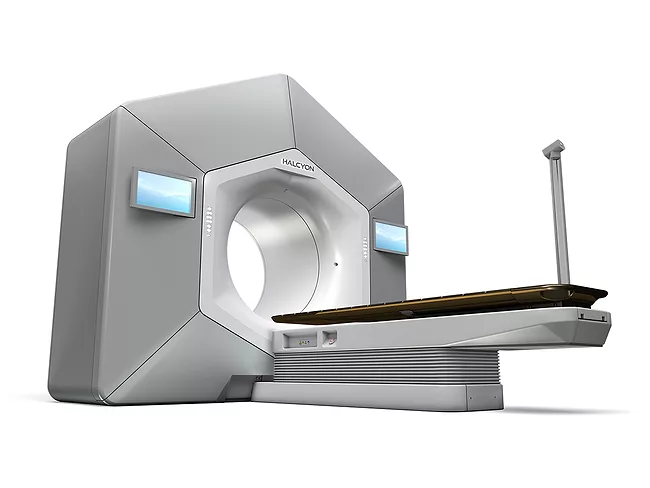
Varian’s Halcyon and Ethos radiotherapy systems received two regulatory nods in short succession, with both U.S. FDA 510(k) clearance and CE marking. In addition, the company reported that the first patient in the world underwent treatment with a Halcyon system with Hypersight last week.
Eyenuk Inc. is significantly extending the scope of its artificial intelligence system for the automatic analysis of retinal images, adding the diagnosis of age-related macular degeneration (AMD) and glaucoma to the EU approved uses of Eyeart AI.
It is a “landmark moment” in the long-awaited upgrade of the management of clinical research in Europe, but the industry has given a lukewarm welcome to a mandate to submit all clinical trial applications via the EMA’s clinical trials information system, as of Jan. 31.
Maela SAS and Nouveal SAS reported plans to merge and become a leading player in the market for remote medical monitoring and patient pathway management.
Royal Philips NV revealed plans to cut a further 6,000 jobs on top of the 4,000 announced in October as it sought to stabilize the business and improve its operational performance going into 2023. In total, the company will reduce its workforce by about 13%. Philip’s fourth quarter results came in ahead of consensus expectations, but the company still posted a loss of €105 million (US$108.2 million).
Real-world evidence (RWE) is all the rage in med-tech circles, given the promised efficiencies, but the U.K. National Institute for Health and Care Excellence is especially dialed in on RWE. The agency recently announced that it will expand its use of RWE to include health technology assessments (HTAs), promising a slightly less drag-filled path to clinical adoption in one of the world’s most robust markets.
It’s been a tough year for raising biotech money, according to the new U.K. Biotech Financing Report, but there are bright spots in an otherwise dark period. What happened last year in the U.K. basically mirrored what happened with global financings as IPOs are significantly down while venture capital rounds stood strong.
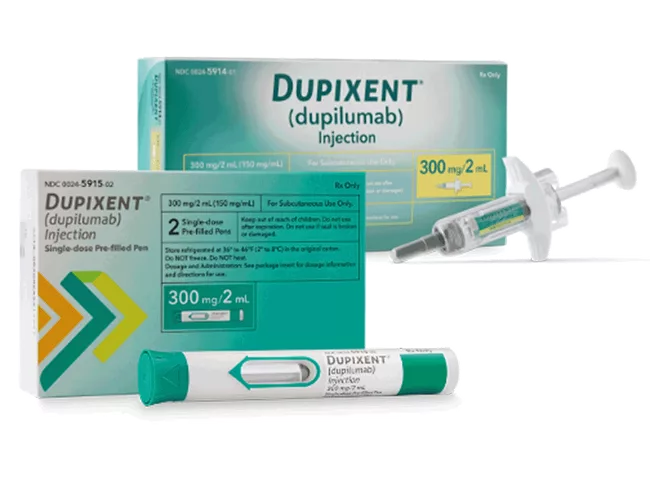
Where European regulatory decisions were concerned, there was good news and bad news for pharma today as Sanofi SA and Regeneron Pharmaceuticals Inc. got the go-ahead for expanded approval of Dupixent (dupilumab) in pediatric atopic dermatitis patients whilst Ipsen SA’s ultra-rare bone disease drug palovarotene was left off the shelf as efficacy data failed to impress.
Amber Therapeutics Ltd. reported that three patients have been fitted with its closed loop bioelectrical stimulation device, which it says is the first to modulate the pudendal nerve to directly address urinary continence (UI).
 RSS
RSS