After a week of hype, the most-favored nation (MFN) drug pricing executive order (EO) U.S. President Donald Trump signed May 12 has a lot of bark but little bite, as one analyst put it. Brian Abrahams, head of global healthcare research at RBC Capital Markets LLC, said the EO is unlikely to rattle the biopharma sector, even though it lacked the certainty to completely remove the MFN overhang. “We see reason for relief and, alongside improving FDA clarity and limited tariff risk, expect biopharma to be viewed as increasingly investable,” Abrahams said.
Chipiron SA will produce a prototype of its ultra-low portable magnetic resonance imaging (MRI) scanner, after raising $17 million in series A financing, as it looks to make MRI more accessible.
The U.K. National Institute for Health and Care Excellence (NICE) endorsed the use of the Orbit system by Mindtech Ltd. as a treatment for tics and Tourette syndrome.
Sirius Therapeutics Inc. raised nearly $50 million in a series B2 financing round May 9 to support its pipeline of small interfering RNA (siRNA) molecules for cardiovascular disease indications. SRSD-107, a long-acting Factor XI anticoagulant for thromboembolic disorders, is its lead candidate waiting on EMA clearance to begin a phase II study in Europe.
The U.K. became the first country to reach agreement with the U.S. over threatened tariffs in an “economic prosperity deal” that leaves the pharma industry hanging on for the outcome of the U.S. section 232 probe into the implications of pharmaceutical imports for America’s national security.
Private biotechs in Switzerland raised CHF833 million (US$1.002 billion) in 2024, driving an overall increase in capital investment in the sector to $3 billion, up from $2.4 billion in 2023.
Following last fall’s $1 billion development deal with Eli Lilly and Co., precision medicine company Haya Therapeutics SA has raised $65 million in a series A. It’s all part of increased validation from big pharmas that long noncoding RNAs, such as those being developed by Haya, have a strong future.
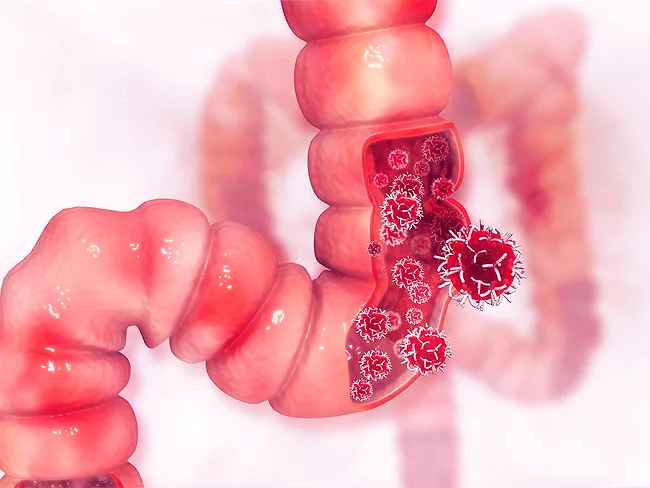
Safeheal SAS raised €35 million (US$39.72 million) in an oversubscribed series C financing round for its temporary endoluminal fecal bypass system, Colovac, which is placed in the colon following colorectal resection. The funds will be used to complete an investigational device exemption pivotal study and speed up preparation for commercial launch of the device.
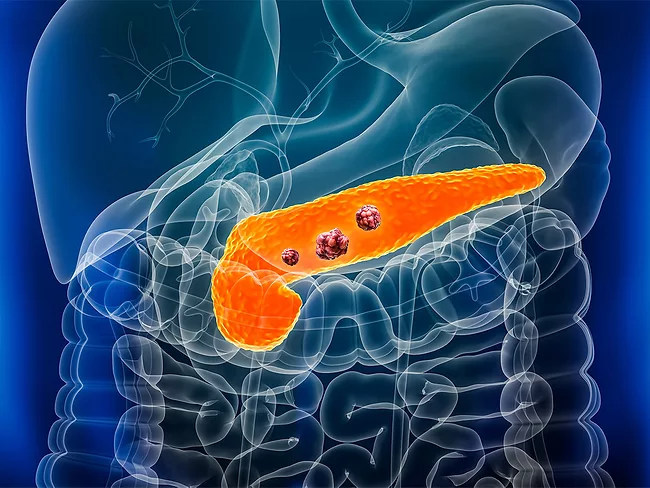
Theriva Biologics Inc.’s stroma-targeting oncolytic virus approach yielded positive findings in metastatic pancreatic ductal adenocarcinoma, with the top-line readout of phase IIb data showing VCN-01 (zabilugene almadenorepvec) in combination with chemotherapy bested chemotherapy alone on primary and secondary endpoints, which included overall survival.
Nuevocor Pte. Ltd. has closed a $45 million series B, enabling it to move lead gene therapy NVC-001 into the clinic in the treatment of an inherited form of cardiomyopathy.
 RSS
RSS