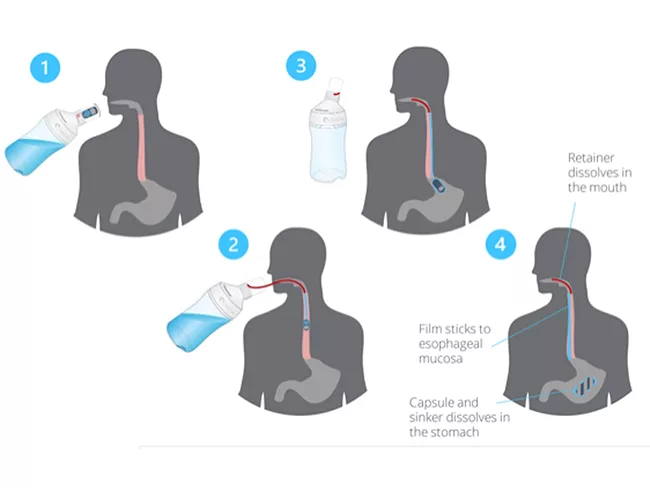
Esocap AG aims to transform the treatment of eosinophilic esophagitis with its drug delivery technology, ESO-101, designed to increase mucosal contact time and drug deposition in the esophagus. Data from the recent ACESO study showed that ESO-101 was safe and well tolerated and improved both histologic and endoscopic outcomes in patients with active eosinophilic esophagitis.
The sedate uptake of pulsed field ablation (PFA) in Europe failed to presage the enthusiasm that drove the technology’s extraordinarily rapid adoption in the U.S. in 2024. Used to treat atrial fibrillation, PFA received its first U.S. FDA approval in Dec. 2023. At the time, Clarivate estimated that PFA had 7% of the global cardiac ablation market. By year-end 2024, it had 20% and Boston Scientific Corp. projected that PFA would represent up to half of the market by the close of 2025.
Qaelon Medical SAS partnered with Caresyntax GmbH, aiming to build the first real-world evidence platform to tackle problems associated with surgical leaks. The companies hope their solution will provide real-time information to surgeons, improving outcomes and making surgery safer for patients.
Galapagos NV is abandoning its small molecule roots to focus on cell therapy and at the same time splitting in two, with the spinout company, dedicated to acquiring a portfolio of assets, taking the lion’s share of the capital.
Gilead Sciences Inc. is moving further into inflammatory diseases in a potential $1.7 billion deal with Leo Pharma A/S around a preclinical oral signal transduction and activator of transcription 6 (STAT6) program that the Danish dermatology specialist has been working on since 2018.
Joining the dealmaking spree to kick off the 2025 J.P. Morgan Healthcare Conference, Eli Lilly and Co. announced it was picking up an early clinical-stage PI3Kα inhibitor program from Scorpion Therapeutics Inc. in a deal that could be worth up to $2.5 billion, while GSK plc is adding to its cancer pipeline with the acquisition of Idrx Inc. for $1 billion up front.
Medtronic plc secured CE mark approval under the EU Medical Device Regulation for its Brainsense adaptive deep brain stimulation system. The technology represents a major advancement in the treatment of Parkinson’s disease as it provides real-time, self-adjusting brain stimulation based on the patient’s brain activity, offering a more personalized therapy.
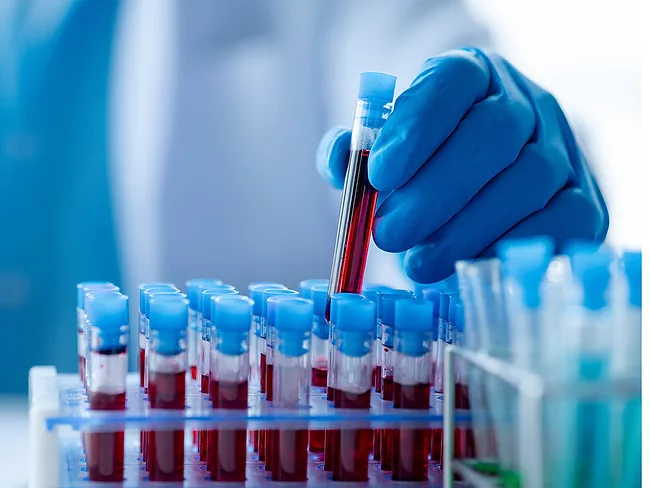
Fourteen global pharma companies are getting together to conduct the largest proteomics study to date, analyzing 600,000 blood samples held in the UK Biobank to assess the levels of 5,400 different proteins.
Fourteen global pharma companies are getting together to conduct the largest proteomics study to date, analyzing 600,000 blood samples held in the UK Biobank to assess the levels of 5,400 different proteins.
Though Pfizer Inc.’s work on a PD-1-targeting antibody has trailed far behind that of its fellow big pharmas, the company could be the first to market in treatment-naïve, high-risk non-muscle invasive bladder cancer on the back of solid phase III data showing subcutaneously administered sasanlimab hit its endpoint of event-free survival. Pfizer anticipates meeting with regulatory agencies to discuss potential filings for what could be the first new treatment for that NMIBC population in decades.
 RSS
RSS