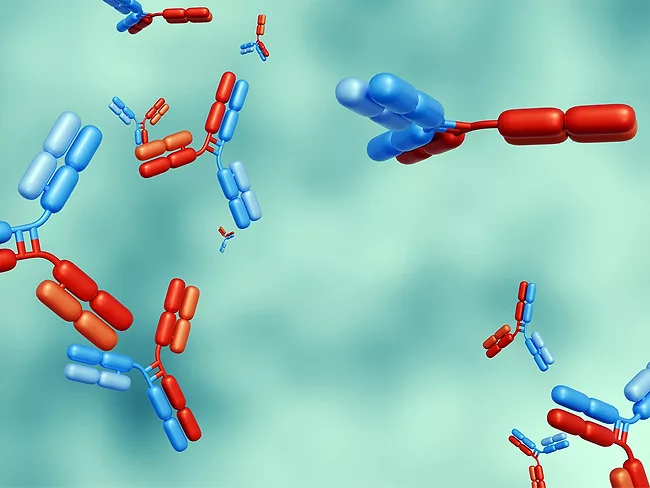
Epimab Biotherapeutics Inc. licensed out a development-ready KLK2/CD3 bispecific T-cell engager (TCE) for advanced prostate cancer to Juri Biosciences Inc. through a potential $210 million deal.
Daiichi Sankyo Co. Ltd. and Merck & Co. Inc. have voluntarily pulled the BLA for accelerated approval tied to their HER3-directed antibody-drug conjugate (ADC) in treating EGFR-mutated non-small-cell lung cancer. The partnership in the expanding ADC space began nearly two years ago in a $22 billion deal.
Nibec Co. Ltd. announced May 28 the signing of a potential $435 million license deal for NP-201, its phase II-ready peptide-based pulmonary fibrosis therapy candidate, with an undisclosed U.S.-based biotech company.
Regeneron Pharmaceuticals Inc. is adding to its obesity pipeline by in-licensing Hansoh Biomedical Co. Ltd.’s phase III dual glucagon-like peptide 1 (GLP-1)/gastric inhibitory polypeptide (GIP) receptor agonist, HS-20094, for up to $2 billion.
Fujirebio Diagnostics Inc.’s Alzheimer’s disease assay received the U.S. FDA’s first clearance for a blood test for the debilitating neurodegenerative disease. Fujirebio’s Lumipulse G pTau217/ß-Amyloid 1-42 plasma ratio is indicated for the early detection of amyloid plaques associated with Alzheimer’s disease in symptomatic individuals aged 55 years and older.
Apimeds Pharmaceuticals US Inc. (APUS), a subsidiary of Kospi-listed Inscobee Inc., said May 12 that it raised $13.5 million from its stock sale on the NYSE American exchange May 9 through an offering of 3.375 million shares at $4 per share. Hopewell, N.J.-based APUS is the second pharmaceutical company with Asian ties to float shares on the U.S. market this year.
Rznomics Inc. scored a potential ₩1.9 trillion (US$1.35 billion) global license option agreement with Eli Lilly and Co. to codevelop a novel RNA editing gene therapy to treat hereditary hearing loss.
Pfizer Inc. is paying $1.25 billion up front and up to $4.8 billion in milestone payments to gain global, ex-China rights to SSGJ-707, a PD-1/VEGF bispecific antibody from 3Sbio Inc. that recently won China clearance for a phase III study in lung cancer as a potential first-line monotherapy. Announced after U.S. market hours May 19, the exclusive agreement for SSGJ-707 spells up to $6.15 billion combined for Shenyang, China-based 3Sbio, along with separate tiered double-digit royalty payments on sales of SSGJ-707, if approved.
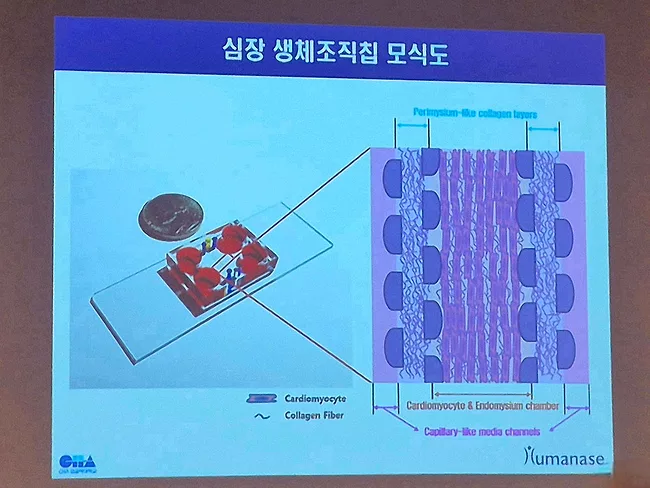
The U.S. FDA’s decision to phase out animal testing for INDs is driving a new market of alternative, nonanimal testing technologies like organoids and organs-on-a-chip, speakers at Bio Korea 2025 said.
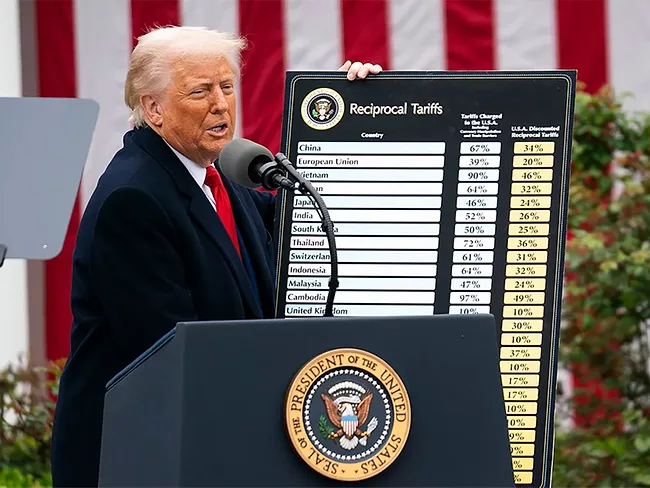
South Korean government and biopharmaceutical industry representatives urged American policymakers May 7 to refrain from imposing tariffs on pharmaceutical imports, and to spare allies if pharma tariffs are deemed necessary. Both Korea’s Ministry of Health and Welfare on May 4 and the Korea Biotechnology Industry Organization on May 6 submitted comments to the U.S. Department of Commerce in response to its ongoing investigation of pharmaceutical imports.
 RSS
RSS