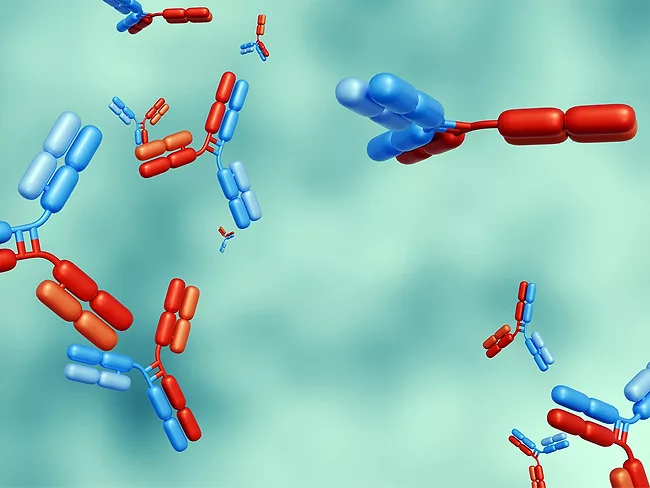
Pfizer Inc. is paying $1.25 billion up front and up to $4.8 billion in milestone payments to gain global, ex-China rights to SSGJ-707, a PD-1/VEGF bispecific antibody from 3Sbio Inc. that recently won China clearance for a phase III study in lung cancer as a potential first-line monotherapy. Announced after U.S. market hours May 19, the exclusive agreement for SSGJ-707 spells up to $6.15 billion combined for Shenyang, China-based 3Sbio, along with separate tiered double-digit royalty payments on sales of SSGJ-707, if approved.
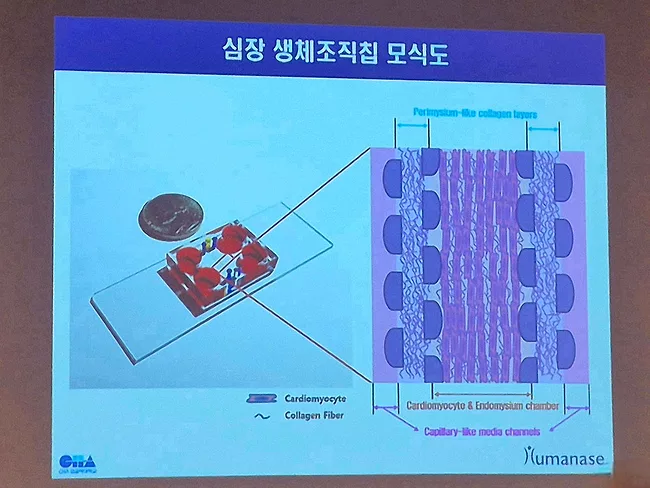
The U.S. FDA’s decision to phase out animal testing for INDs is driving a new market of alternative, nonanimal testing technologies like organoids and organs-on-a-chip, speakers at Bio Korea 2025 said.
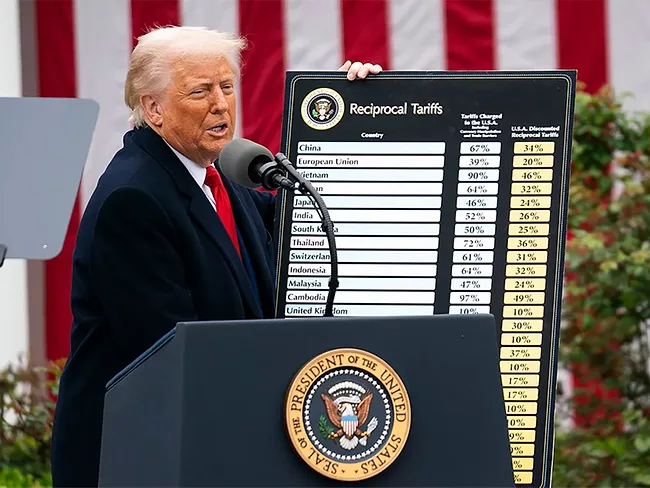
South Korean government and biopharmaceutical industry representatives urged American policymakers May 7 to refrain from imposing tariffs on pharmaceutical imports, and to spare allies if pharma tariffs are deemed necessary. Both Korea’s Ministry of Health and Welfare on May 4 and the Korea Biotechnology Industry Organization on May 6 submitted comments to the U.S. Department of Commerce in response to its ongoing investigation of pharmaceutical imports.
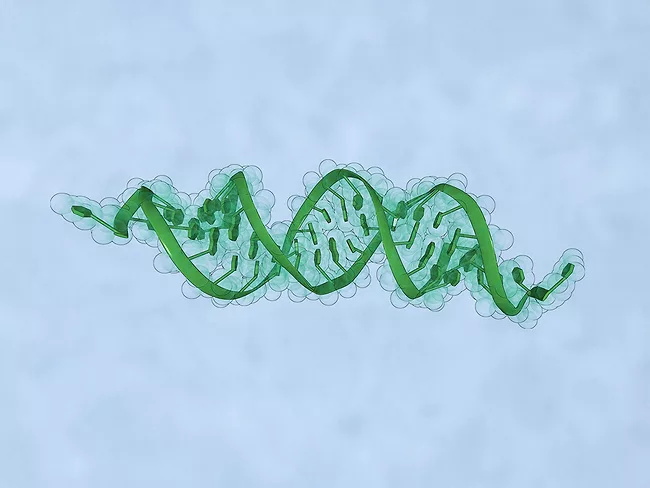
Sirius Therapeutics Inc. raised nearly $50 million in a series B2 financing round May 9 to support its pipeline of small interfering RNA (siRNA) molecules for cardiovascular disease indications. SRSD-107, a long-acting Factor XI anticoagulant for thromboembolic disorders, is its lead candidate waiting on EMA clearance to begin a phase II study in Europe.
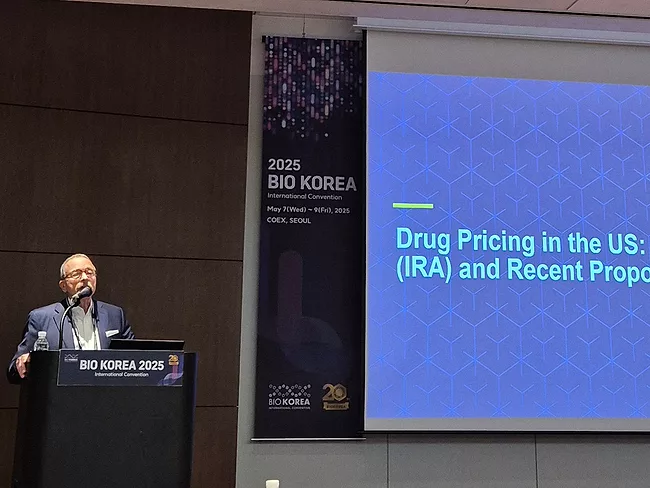
Ongoing policy issues in the U.S., including the Inflation Reduction Act and recent proposals under President Donald Trump’s administration, have wide ranging implications for the global biopharmaceutical industry, speakers at Bio Korea 2025 said May 8, including a heightened need for all biotechs to draft regulatory strategies.
Korean pharmaceutical stocks rose across the board May 13, a day after U.S. President Donald Trump signed off on the most favored nation executive order, a drug pricing policy expected to benefit biosimilar makers in the U.S., according to Celltrion Inc.
First quarter 2025 results presentations were the first chance analysts have had to quiz pharma companies in public about their exposure to the threat of U.S. import tariffs and what action they are taking to mitigate the risks.
Dimerix Ltd. sealed an exclusive license agreement with Amicus Therapeutics Inc. for commercialization of its phase III kidney disease candidate, DMX-200, in a deal valued at AU$940 million (US$601.22 million).
“We are prepared for every scenario, even though we don’t know what some of those are.” That sums up the message from executives of Astrazeneca plc, GSK plc and Sanofi SA, when quizzed during presentations of their first-quarter 2025 results this week, about the fallout if pharmaceuticals they import to the U.S. are subject to tariffs.
Echoing President Donald Trump’s justification for reciprocal tariffs, the U.S. Trade Representative’s annual Special 301 Report is a bit more aggressive in tone this year as it calls out trading partners that don't adequately enforce intellectual property rights or that otherwise discriminate against products from foreign companies.
 RSS
RSS