Tightening of U.S. regulation and capital is leading Chinese biotechs to alternative and new models of financing, ranging from cross-border licensing deals, M&As, the so-called newco model and overseas listings.
Europe was a bigger counterpart to China in pharmaceutical dealmaking than the U.S. last year, speakers at Chinabio Partnering Forum said April 23, and the trend is likely to continue in 2025 with the shuttering of U.S. capital and volatility ailing global markets.
The intriguing VEGFxPD-1 bispecific antibody space gained oomph with phase III results disclosed April 23 by Akeso Pharmaceuticals Inc. related to Harmoni-6, testing ivonescimab in combination with platinum-based chemotherapy compared with Tevimbra (tislelizumab, Beigene Ltd.), a PD-1 inhibitor also paired with platinum-based chemo in patients with locally advanced or metastatic squamous non-small-cell lung cancer irrespective of PD-L1 expression. Those data were followed by a green light from the U.S. FDA April 24 for marketing the PD-1 monoclonal antibody penpulimab in combination with cisplatin or carboplatin and gemcitabine for the first-line treatment of adult recurrent or metastatic non-keratinizing nasopharyngeal carcinoma.
Orum Therapeutics Inc. on April 26 pulled the plug on a U.S.-based phase I study of ORM-5029, its lead oncology degrader antibody conjugate (DAC) asset, a decision that came months after the company first reported a patient death in November 2024.
The first 100 days of the Trump administration have been nothing short of chaotic, both in the U.S. and throughout the world. Shining a light through the uncertainty, BioWorld continues to cover the administration’s latest policy decisions and actions affecting the life sciences sector, as well as their impacts across the globe. It’s all right here at Trump administration impacts.
As pharma deals with the impact of U.S. NIH grant cuts and the imposition of tariffs, a lot of pressure is shifting to smaller and midcap companies, according to two executives who spoke on the newest BioWorld Insider podcast.
The U.S. National Security Commission on Emerging Biotechnology (NSCEB) is urging Congress to reinvest in American biotechnology because “the U.S. is dangerously close to falling behind China,” according to a May 8 report. "The United States is locked in a competition with China that will define the coming century," said NSCEB Chair Senator Todd Young (R-Ind.). “Biotechnology is the next phase in that competition. It is no longer constrained to the realm of scientific achievement. It is now an imperative for national security, economic power and global influence.”
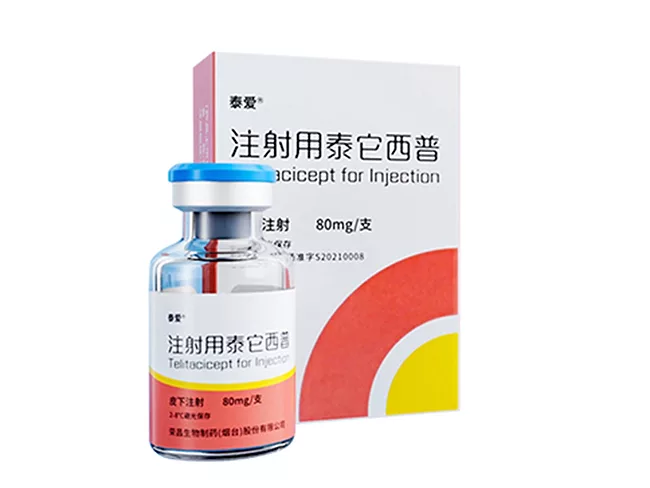
Remegen Co. Ltd. emerged as a surprise challenger in the generalized myasthenia gravis space, unveiling positive phase III data of its China-approved lupus drug, telitacicept (RCT-18; Tai’ai), in the rare autoimmune neuromuscular disorder at the 2025 American Academy of Neurology conference.
Phase I/II trial results of sacituzumab tirumotecan (sac-TMT; Sichuan Kelun-Biotech Biopharmaceutical Co. Ltd.) published in Nature Medicine came a month after China’s National Medical Products Administration gave clearance to Kelun-Biotech’s supplemental NDA of sac-TMT to treat advanced non-small-cell lung cancer (NSCLC).
Following news of U.S. President Donald Trump’s 10% across-the-board tariffs on Australian exports to the U.S., Australia’s Securities Exchange shed nearly AU$55 billion in losses Thursday morning. Even so, pharmaceuticals have escaped the tariffs for now. In China, Trump’s tariffs are not a big concern for China’s health care because drugs and active pharmaceutical ingredients are exempted from the tariffs. Even if tariffs are imposed in the future, Chinese pharmaceutical companies have already significantly de-risked themselves in recent months by increasing out-licensing models with U.S. partners.
 RSS
RSS