A week after the first IPO of the year was priced, obesity treatment developer Metsera Inc. and renal specialist Maze Therapeutics Inc. have begun trading on Nasdaq. Metsera (NASDAQ:MTSR) surged 47% on Jan. 31 to close at $26.50 per share while Maze (NASDAQ:MAZE) barely budged, closing three-tenths of a percentage point lower on the day.
Now that Novo Nordisk A/S’ blockbuster semaglutide franchise has been selected as one drug for the next round of the CMS price negotiation, the Bagsværd, Denmark-based company is asking a U.S. appellate court to expedite its consideration of Novo’s challenge to the negotiations and the way CMS is implementing the program.
Complete response letter hurdles overcome and U.S. FDA clearance in hand, Axsome Therapeutics Inc. will disclose pricing in about four months, closer to the launch of Symbravo to treat adult migraine with or without aura.
A new guidance by the International Medical Device Regulators Forum for good machine learning practices draws heavily on a 2021 playbook provided by Canada, the U.K. and the U.S., an outcome that also supports the notion that there is no point in reinventing a highly functional regulatory wheel.
In what represents the first PCT filing emerging in the name of Ayble Health Inc., protection is sought for a system for adaptive, multi-level processing of health data to be used in the individualized management of immune-mediated inflammatory diseases such as inflammatory bowel disease and irritable bowel syndrome.
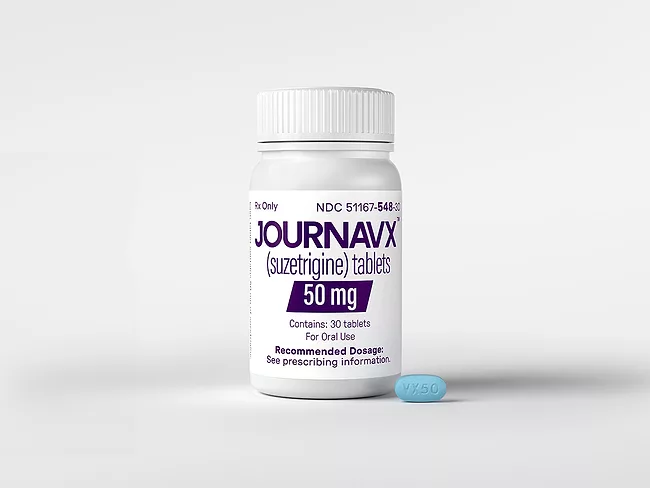
An effort two decades in the making, Vertex Pharmaceuticals Inc.’s suzetrigine gained U.S. FDA approval as the first drug targeting the NaV1.8 pain signal. Branded Journavx, the oral small molecule is cleared for use as a non-opioid option for treating moderate to severe acute pain.
One of the uncertainties in the changing of the guard in both the U.S. administration and Congress is the future of 340B reforms. Now the Inflation Reduction Act makes reforms more critical than ever, as it requires manufacturers of drugs selected for price negotiations to certify that they’re giving 340B entities the lowest price, be it the 340B discount or the maximum fair price set by the CMS as part of the negotiation process.
Alterity Therapeutics Ltd. reported positive top-line phase II results for lead candidate ATH-434 for treating multiple system atrophy, a rare neurological disorder similar to Parkinson's disease.
The EU has moved aggressively on legislation in recent years, with the AI Liability Directive serving as the latest example of legislation that sparked widespread opposition.
In a devastating blow to the company and large B-cell lymphoma patients relapsed or refractory to CD19 CAR T-cell therapy, Cargo Therapeutics Inc. terminated the phase II study of its lead CD22 cell therapy, firicabtagene autoleucel (firi-cel), and is cutting its workforce by 50% and evaluating strategic options, following disappointing data on durability of response and serious safety events, some of which were fatal.
 RSS
RSS