Ono Pharmaceutical Co. Ltd. struck a licensing deal with Ionis Pharmaceuticals Inc. for sapablursen, which is in phase II trials for polycythemia vera. Under terms, Osaka, Japan-based Ono gains an exclusive license to develop and commercialize sapablursen worldwide. Carlsbad, Calif.-based Ionis will be responsible for completing the ongoing phase II Imprssion study, while Ono will be responsible for subsequent development, regulatory filings and commercialization.
In what it says is the biggest obesity deal to date, Zealand Pharma A/S has signed up Roche AG to a potential $5.3 billion global collaboration and license agreement to develop petrelintide, an amylin analog that is currently in phase IIb development. The two companies will co-develop and co-commercialize petrelintide and combination products, including a fixed-dose combination of petrelintide and CT-388, Roche’s dual GLP-1/GIP receptor agonist.
The Vivani Medical Inc. combination appears to be over less than three years since its inception after the company reported plans to spin off Cortigent, the division that develops brain implants.
Neuromod Devices Ltd. raised €10 million (US$10.9 million) in financing to expand the reach of Lenire, which treats tinnitus. The fundraise, which was an expansion of its series B financing round, was led by existing investors Fountain Healthcare Partners and Panakès Partners.
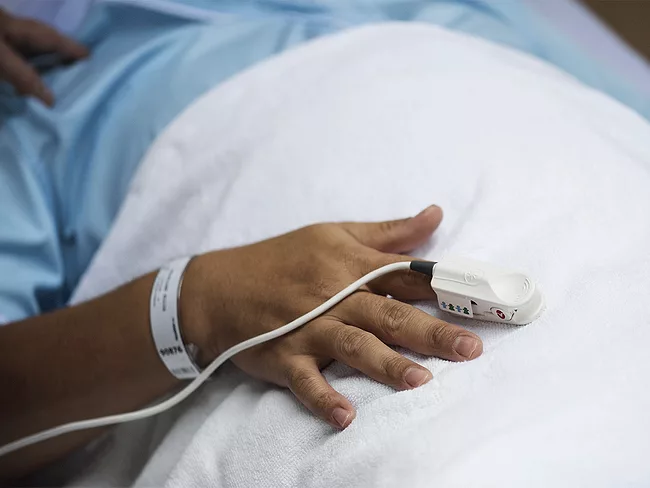
The U.S. FDA’s latest draft guidance on pulse oximeters drew comment from the International Standards Organization and the International Electrotechnical Commission, which are making the case that in addition to differences in pigmentation, the pulsatility of the tissue in contact with the device is also a factor in device performance.
Medicare beneficiaries in the U.S. diagnosed with chronic obstructive pulmonary disease (COPD) may soon be covered for positive pressure ventilation in the home per a draft coverage memo from CMS.
While the U.S. has historically led the global pharmaceutical industry by pursuing both continual innovation and high quality, those strengths could become areas of weakness in times of political uncertainty, according to PA Consulting expert Andy Prinz.
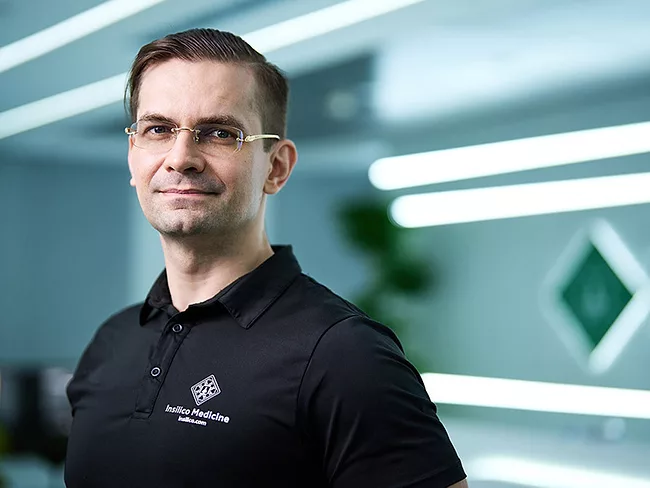
Insilico Medicine founder and CEO Alex Zhavoronkov told BioWorld that he tries to spend as much time as possible in China, because that's where the artificial intelligence (AI) drug development company conducts synthesis and tests for early stage discovery. “And nowadays, not a day goes by without somebody launching an AI drug discovery company,” he said, noting that Chinese AI company Deepseek could be a huge disrupter.
In another real-life episode of “sponsor beware,” the owners of a clinical research facility pleaded guilty March 10 in U.S. district court to fraud charges resulting from their conduct of two clinical trials for potential asthma drugs.
Getting the Ensuring Pathways to Innovative Cures (EPIC) Act through the U.S. Congress to do away with the “pill penalty” in the Medicare drug price negotiations could require an epic effort, given the current politically fueled atmosphere on the Hill. With the Inflation Reduction Act (IRA), which created the negotiations, considered a signature achievement of the Biden administration, the negotiations have become, for many lawmakers, almost a sacred cow that can’t be touched. If anything, some of them want to expand the negotiations to more drugs and to the commercial market.

 RSS
RSS