Neurogene Inc.’s stock sank 43% on news that its phase I/II gene therapy, NGN-401, resulted in a serious adverse event in a pediatric Rett syndrome patient receiving the highest dose.
Patients infected with hepatitis C have had the ability to rid their livers of the virus for some time, while patients with chronic hepatitis B virus infection have been required to take medications for the rest of their lives in the hopes of just dampening damage to the liver caused by the virus. But, at The Liver Meeting 2024, Arbutus presented data from the phase IIa Im-prove study suggesting a cure might be on its way with its DNAi drug, which binds to the viral mRNA promoting its cutting, leading to loss of translation of the viral proteins.
Syndax Pharmaceuticals Inc. won U.S. FDA approval – the company’s second this year – for menin inhibitor Revuforj (revumenib) with a black box warning for differentiation syndrome. “We’ve long expected that would be the case,” said CEO Michael Metzger. For “the last six years or so” the agency has had a “heightened awareness” of the problem, and he predicted all drugs in the class would bear similar cautionary language. But there’s also a warning about QT prolongation and a requirement for monitoring.
Boston Scientific Corp.’s OPTION study demonstrated left atrial appendage closure with the Watchman Flx device reduced risk of stroke compared to management with direct oral anticoagulants or warfarin in patients with atrial fibrillation following cardiac ablation. Results were presented at the American Heart Association's Scientific Sessions 2024 and simultaneously published in The New England Journal of Medicine.
Smartcardia SA received U.S. FDA clearance for mobile outpatient cardiac telemetry for its seven-lead live ECG monitoring patch and cloud platform. With the approval, the solution can now be used for remote live monitoring of a patient’s ECG and immediately notify clinicians in cases of arrhythmias.
Vitalli Bio Inc. terminated a potential $477 million licensing deal for autoimmune disease drug, DWP-213388, signed a year ago with Daewoong Pharmaceutical Co. Ltd., although Vitalli still retains option rights to two more dual inhibitor candidates that could fetch up to $941 million.
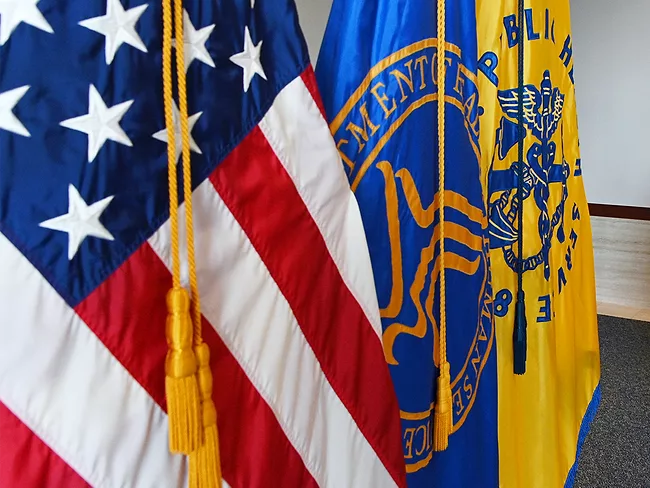
President-elect Donald Trump’s nomination of Robert F. Kennedy Jr. as U.S. Secretary of Health and Human Services (HHS) grabbed headlines globally, but the political jostling to come will determine whether Kennedy can secure the seat.
Despite government efforts to prop up biopharma and med-tech research toward creating women’s health products, companies must eventually reach out to the private markets to bring their inventions to the next stage of development. Anna Zornosa-Heymann, a women’s health investor, serves as a part-time contractor with the U.S. NIH’s SEED (Small business Education & Entrepreneurial Development) office, where she helps companies move from government to external funding. Government funds are “excellent to pay for research … but those funds don’t allow you to build a first-class team and to develop a sales apparatus,” she told BioWorld.
Makers of devices and diagnostics face a new set of policy questions following the 2024 U.S. general elections, but many of the impending changes at the executive branch seem directed more toward drugs and vaccines, seemingly leaving the device and diagnostics industries largely out of harm’s way.
While women make up half the world’s population and own two out of every five businesses, there are substantial knowledge gaps about conditions affecting their health – mostly due to decades of research excluding women from clinical trials and investment decisions.

 RSS
RSS