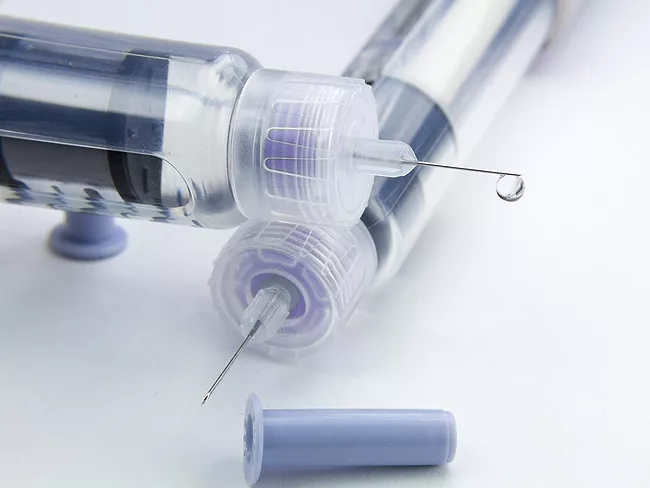
With a successful phase III study of plozasiran in hand, Arrowhead Pharmaceuticals Inc. plans to file an NDA with the U.S. FDA for treating the rare genetic disease familial chylomicronemia syndrome. While the data are strong, the company is playing catch-up to Ionis Pharmaceuticals Inc., which has a December 2024 PDUFA for its candidate, olezarsen, in the same indication.
Potential implications for others in the space, including Pfizer Inc. and Bridgebio Pharma Inc., became the subject of buzz after Alnylam Pharmaceuticals Inc. provided details from the Helios-B phase III study with RNAi candidate vutrisiran, in the works for ATTR amyloidosis with cardiomyopathy.
Grail Inc.’s multi-cancer early detection test, Galleri, preferentially screens for aggressive prostate cancer, addressing concerns about overdiagnosis and subsequent overtreatment of indolent cancers, a study published in JCO Precision Oncology demonstrated.
The U.S. Congress is examining legislative language to address what some believe is a deteriorating state of jurisprudence for injunction when infringement is found in patent litigation.
Although last year’s massive U.S. launch of Humira biosimilars captured headlines, the market adoption of those competitors has been nothing to write home about, even with discounts as low as 85% off the innovator price.
During a webinar arranged by Demy-Colton, panelists discussed a wide range of potential outcomes that might occur depending on which political party ends up in power next year. From tweaks to the Inflation Reduction Act to new laws to the Federal Trade Commission's regulation of M&As, there’s potential for the government to have substantial effects on the drug development industry.
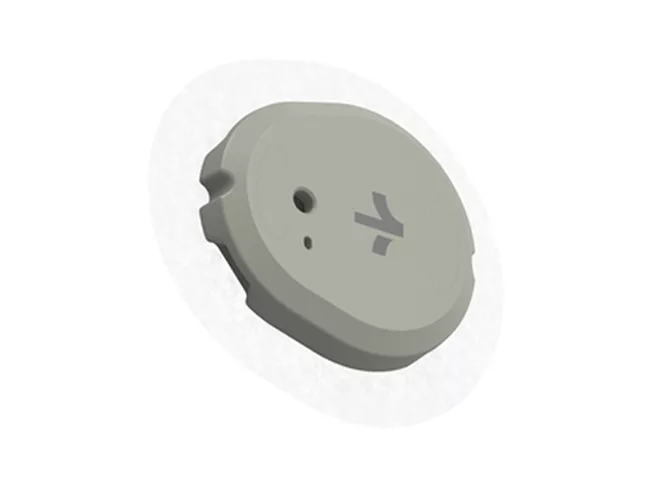
As of this week, consumers can order Dexcom Inc.’s Stelo continuous glucose monitor (CGM) online without a prescription, making it the first to hit the market. Dexcom will have competition soon, however, with Abbott Laboratories planning to roll out its over-the-counter Lingo and Libre Rio CGMs in short order.
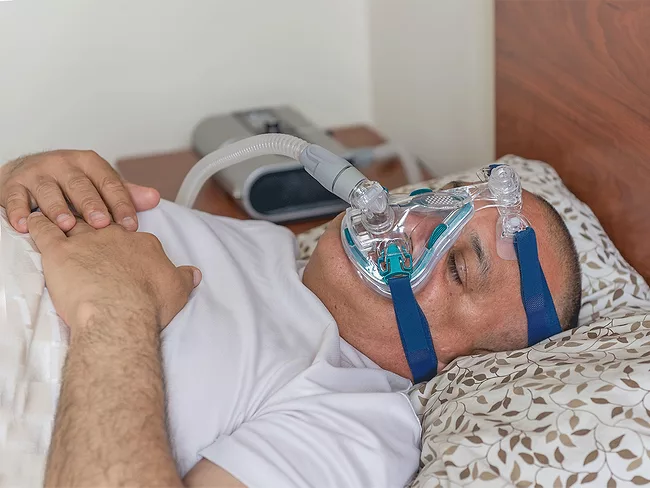
The U.S. FDA caught up with four makers of CPAP cleaning machines in the form of warning letters advising the manufacturers that the claims made for their systems fall under the definition of a regulated medical device. In two of these warning letters, the FDA said it had been in touch with the manufacturer for at least two years, indicating that the agency has been steadily working on enforcement activities in this space for some time.
Neurocrine Biosciences Inc.’s top-line phase II data, though billed as promising, wasn’t enough to please observers on Wall Street, who stacked the data in schizophrenia with NBI-1117568 (NBI-'568) against others in the space. Shares (NASDAQ:NBIX) closed Aug. 28 at $123.76, down $28.79, or 18.9%.
While product liability litigation in the U.S. for medical devices is a matter of state law, a legal theory from 1965 seemed to hint at a uniform national standard on strict liability for medical devices.
 RSS
RSS