Delcath Systems Inc. reported that the FDA approved its Hepzato Kit for the treatment of adults with unresectable hepatic-dominant metastatic uveal melanoma (mUM). The FDA nod also triggered a second tranche of financing of approximately $35 million from a private placement in March.
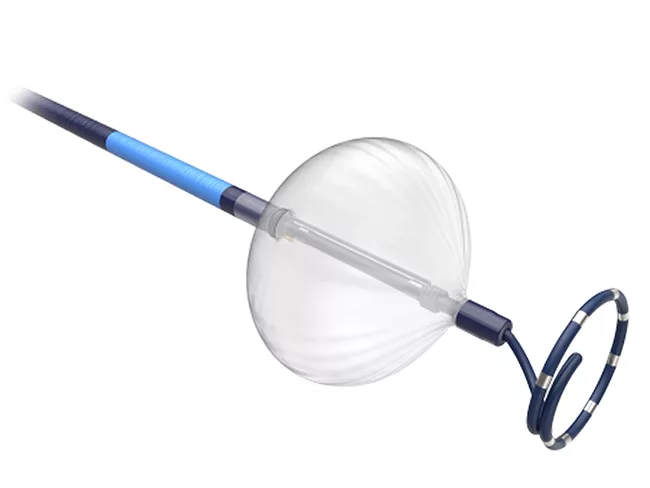
Boston Scientific Corp. has managed its Polarx device to another regulatory approval, this time a nod from the U.S. FDA, giving the company access to one of the world's premier markets. The news comes four months after the company obtained a CE mark for the device, opening the door to two jumbo markets in a move the company hopes will ensure the device will provide solid returns on its investment.
Med-tech deal values the first seven months of the year are up more than 50% from last year. Meanwhile, M&As decreased almost 70% from the same time period in 2022.
How long does it take for a U.S.-based biopharma company to complete a bankruptcy? In the case of privately held Purdue Pharma LP, the answer is likely five years or longer, depending on when the Supreme Court rules on the matter and whether it orders a do-over. The Supreme Court is the next chapter in the court saga that began in 2019 when the Stamford, Conn.-based company filed for bankruptcy in its first step toward reorganizing as a public benefit company.
A recent bipartisan request for funding of a study on replacing U.S. drug patents with cash prizes is just one more symptom of a larger global malady that makes patents the scapegoat for bigger problems that have nothing to do with intellectual property (IP), David Kappos, board co-chair of the Council for Innovation Promotion (C4IP), told BioWorld.
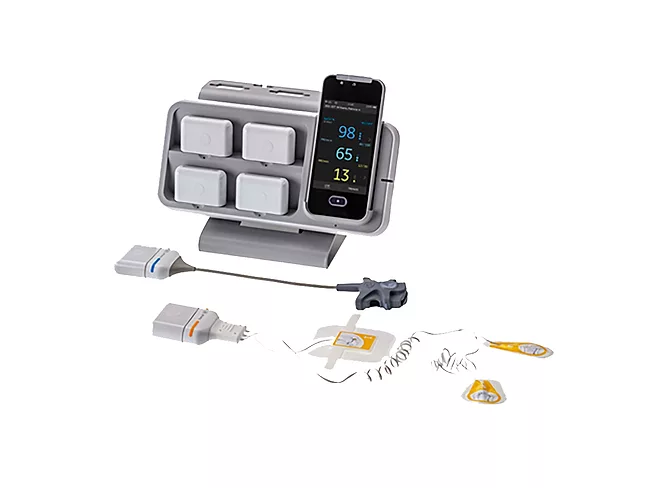
A timely discharge from the hospital requires that a lot of things go just right, and GE Healthcare just scored a win from FDA for its Portrait vital signs monitoring system that offers wireless, wearable tracking of oxygenation, pulse and respiration rate. GE said this system allows patients to be mobile during those first few critical hours post-surgery while providing non-stop vital sign tracking, a development that may allow clinicians to intervene more quickly when problems arise and thus help the patient recover and head home without setbacks.
The $1.83 million grant Fesarius Therapeutics Inc. was recently awarded will allow the company to work on the next generation of dermal repair products to treat complex wounds. The funds from the National Institutes of Health (NIH) will go towards further development of the company’s advanced dermal regeneration scaffold for reconstructive surgery and takes the total amount of non-dilutive grant funding Fesarius has received to develop its hydrogel technology, Dermisphere, to $4 million.
Pacific Biosciences Inc. and Genedx Inc. reported a research collaboration with the University of Washington to study HiFi long-read whole genome sequencing’s (WGS) capacity to boost diagnostic rates in pediatric patients with genetic disorders.
The composition of the skull bone is unique and plays a direct role in influencing brain health through small channels in the bone and immune cell expression pathways, reported researchers based at the Helmholtz Center and Ludwig-Maximilians University Munich.
“Show us your work” is basically the message the U.S. Court of Appeals for the Federal Circuit sent to the Patent Trial and Appeal Board (PTAB) when it vacated a decision by the board in an ex parte review of rejected patent claims submitted by Theripion Inc. While the Aug. 10 Federal Circuit opinion that remanded the case is nonprecedential, the appellate court made it clear that the PTAB must explain its reasoning for whatever conclusions it reaches.
 RSS
RSS



.webp?height=488&t=1677877909&width=650 "Epidermal growth factor receptor (EGFR)")