Sequana Medical NV scored a U.S. FDA breakthrough device designation last year for its fully implanted wireless device that automatically pumps fluids from the abdomen into the bladder. Now, it has released positive interim safety and efficacy data on that device, known as Alfapump, in the treatment of patients with recurrent or refractory ascites due to liver cirrhosis.
Concerns about biopharma executives profiting from stock sales aligned with releases of promising COVID-19 vaccine results could result in Congress requiring a cooling-off period for executives’ 10b5-1 plans that provide a safe harbor to insider trading. Testifying in a Nov. 17 hearing before the Senate Banking Committee, SEC Chair Jay Clayton suggested a mandatory period of four to six months between implementing or materially changing a 10b5-1 plan and the first allowed stock sale. He added that the cooling-off period should at least cover a full quarter.
If the FDA’s opening meeting Nov. 19 on the reauthorization of BsUFA is anything to go by, interchangeability could be a key part of the next round of U.S. biosimilar user fee negotiations.
Many of the developers of in vitro diagnostic tests will seek to convert their emergency use authorizations (EUAs) to conventional premarket filings, and Tim Stenzel, director of the U.S. FDA’s Office of In Vitro Diagnostics and Radiological Health (OIR), said a draft guidance for this conversion is in process. However, Stenzel said he could not predict when that draft might emerge, given that the agency is still scrambling to keep up with both EUA and conventional applications.
Concerns about biopharma executives profiting from stock sales aligned with releases of promising COVID-19 vaccine results could result in Congress requiring a cooling-off period for executives’ 10b5-1 plans that provide a safe harbor to insider trading.
The question of whether the U.S. FDA will review emergency use authorizations (EUAs) for lab-developed tests (LDTs) for the COVID-19 pandemic has bounced around frequently in recent weeks, and Brett Giroir of the Department of Health and Human Services has resurrected the issue.
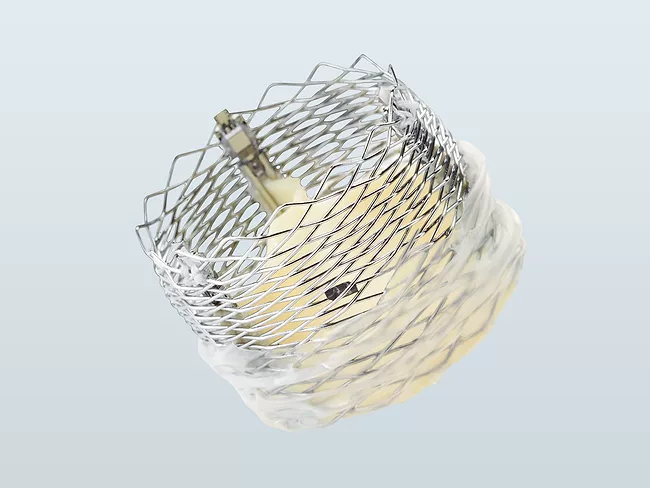
Boston Scientific Corp. said it is initiating a global, voluntary recall of all unused inventory of the Lotus Edge aortic valve system, blaming complexities associated with the product delivery system. The Marlborough, Mass.-based company emphasized that the valve itself continues to achieve positive and clinically effective performance post-implant. However, because of the time and investment needed to develop and reintroduce a delivery system, the company believes it is necessary to retire the entire Lotus platform immediately.
HONG KONG – Kira Pharmaceuticals is riding high after completing a $46 million fundraiser and appointing Frederick Beddingfield as CEO. “The $46 million comprises a series A of $18 million and a series B of $26 million, with investors Quan Capital, 6 Dimensions Capital, Qiming Venture Partners, and Sinopharm Capital participating in both rounds,” Beddingfield told BioWorld.
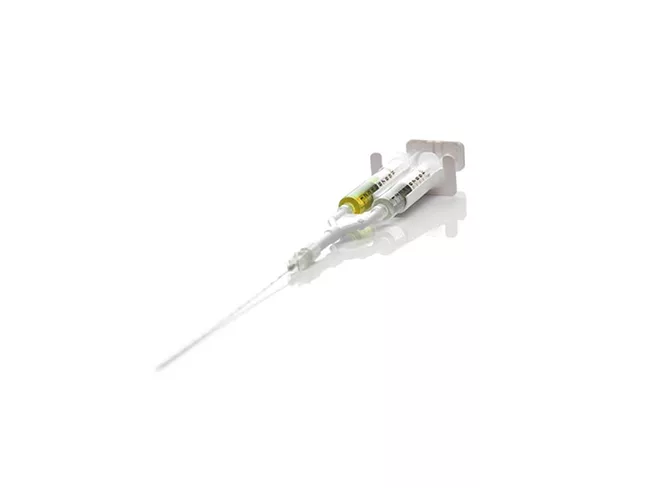
Boston Scientific Corp. reported that it has initiated the nationwide U.S. launch of Spaceoar Vue Hydrogel, a radiopaque version of Spaceoar Hydrogel that enables the use of computerized tomography scans instead of requiring magnetic resonance imaging (MRI) for patients undergoing radiation for prostate cancer.
Most of a pancreatic tumor is not made up of tumor cells – a double-edged sword for the tumor cells. This connective tissue component impedes blood flow, which is part of what makes pancreatic cancer so drug-resistant. But the lack of blood also means a lack of oxygen and nutrients, so pancreatic tumors must find alternate ways to feed themselves. That’s where nerves come in. In the Nov. 2, 2020, online issue of Cell, researchers published new insights into how innervation feeds tumors, and how to stop them from doing so.
 RSS
RSS