Although Aisa Pharma Inc’s cilnidipine (AISA-021) failed to meet the primary endpoint, multiple secondary endpoints showed statistically significant improvement in treating sclerosis-associated Raynaud's phenomenon, potentially positioning the drug for a phase III program in a disease with no approved oral therapies globally.
The failure of the Persevera study, sponsored by Roche Holding AG’s Genentech unit, disrupts advancement of giredestrant in combination with palbociclib (Ibrance, Pfizer Inc.) as a first-line treatment for ER-positive, HER2-negative, locally advanced or metastatic breast cancer. For competitor Olema Pharmaceuticals Inc., which has palazestrant for the same indication, missing the phase III Persevera primary endpoint of progression-free survival translated to a 25.8% stock slide (NASDAQ:OLMA) to a $16 close on March 9.
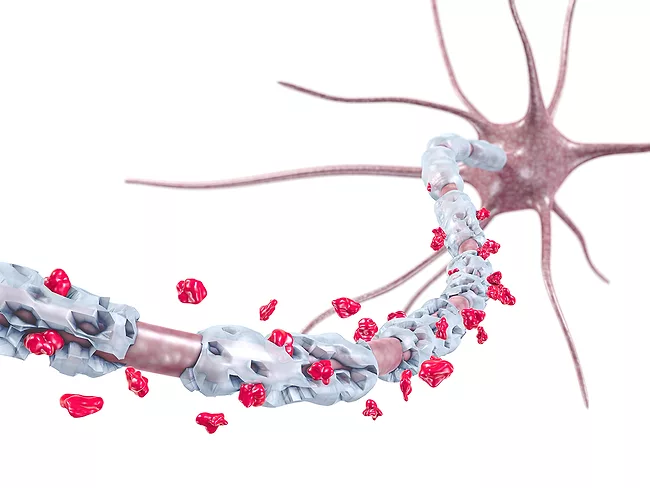
As soon as Dianthus Therapeutics Inc. disclosed its early “go” decision on claseprubart in chronic inflammatory demyelinating polyneuropathy (CIDP), Wall Street set about comparing the phase III monoclonal antibody (mAb) to other prospects in the space, with particular focus on Sanofi SA’s riliprubart (SAR-455088).
The regulatory clouds that have been darkening the U.S. FDA landscape of late for Uniqure NV’s gene therapy AMT-130 in Huntington’s disease may be parting a bit with the announced departure of Vinay Prasad as director of the agency’s CBER at the end of April.
Any lingering disappointment in the delay for Xenon Pharmaceuticals Inc.’s readout of the phase III X-Tole2 study testing azetukalner in focal onset seizures (FOS) appeared thoroughly extinguished as the company’s KV7 potassium channel opener yielded better-than-expected data, even besting earlier phase IIb findings and positioning the drug for an NDA submission later this year.
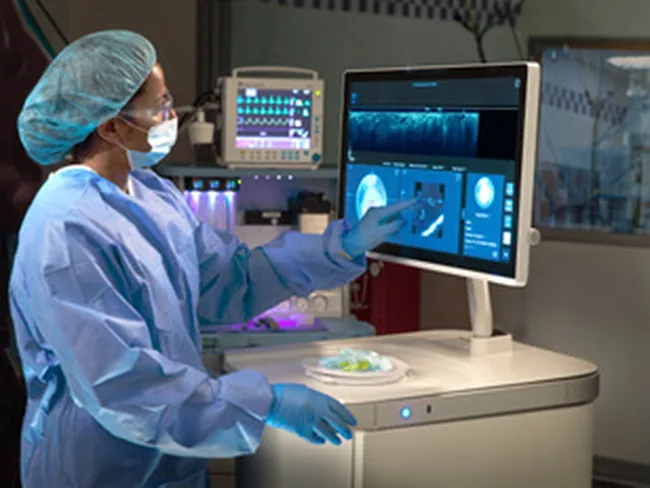
Perimeter Medical Imaging AI Inc. secured FDA premarket approval for Claire, its AI-powered imaging device which detects difficult-to-see cancer during breast-conserving surgery. Claire combines AI with wide-field optical coherence tomography to provide surgeons with high-resolution, real-time views of excised tumor margins, to reduce the need for re-operations.
Pricing shares at $20 each, below the intended price range, insulin delivery company Minimed Group Inc. debuted with an IPO on Nasdaq March 6, raising $560 million. The company offered a total of 28 million shares, which would have brought the Northridge, Calif.-based company $742 million in gross proceeds if the IPO had priced at the midpoint of the $25-to-$28 price range disclosed in February.
What Cowen analyst Tara Bancroft called an “exciting” year ahead for Day One Biopharmaceuticals Inc. will be shared by Servier SAS, after the French firm agreed to pay $21.50 per share to acquire Day One in a deal that notched an equity value of about $2.5 billion.
Entering its first major cardiovascular disease collaboration with a biopharma company, while it advances two internal gene therapies, Tenaya Therapeutics Inc. signed on with Alnylam Pharmaceuticals Inc. to deliver up to 15 novel genetic targets that could lead to new heart disease medicines. The deal comes with $10 million up front, and up to $1.13 billion is available to South San Francisco-based Tenaya if all targets meet certain milestones, leading to approved therapeutics that Alnylam develops and commercializes.
Shortly after Amgen Inc. walked away from its partnership with Kyowa Kirin Co. Ltd., the Tokyo-based company said it is discontinuing all ongoing clinical trials for rocatinlimab due to safety concerns.

 RSS
RSS