In a deal that could top $2 billion, China-based Innocare Pharma Ltd. licensed the exclusive worldwide development and commercialization rights to the BTK inhibitor orelabrutinib to Zenas Biopharma Inc. for multiple sclerosis and other indications aside from oncology.
Owlstone Medical Ltd. has been awarded up to $49.1 million in funding by the Advanced Research Projects Agency for Health (ARPA-H) to develop over-the-counter, at-home, cancer screening tests. These tests will be able to accurately detect more than 30 cancers as early as stage I, when tumors are still small and survival rates are highest, revolutionizing the field of cancer detection and improving patient outcomes.
Johnson & Johnson Medtech won out over a jury verdict that found the company’s Depuy Synthes liable for $20 million for infringing a patent claimed by Rasmussen Instruments LLC.
Even though the U.S. CDC is operating on a skeleton crew due to the partial government shutdown, it is updating its immunization schedules to adopt the COVID-19 and chickenpox vaccine recommendations the Advisory Committee on Immunization Practices (ACIP) made at its September meeting.
Taho Pharmaceuticals Ltd. announced an NDA submission to the U.S. FDA for TAH-3311, developed as the world’s first oral dissolving film formulation of apixaban, marking a regulatory milestone for the Taipei-based biotech.
Kyorin Pharmaceutical Co. Ltd. is licensing Hinge Bio Inc.’s multispecific antibody-based therapy HB-2198 in Japan for multiple autoimmune indications, starting with systemic lupus erythematosus.
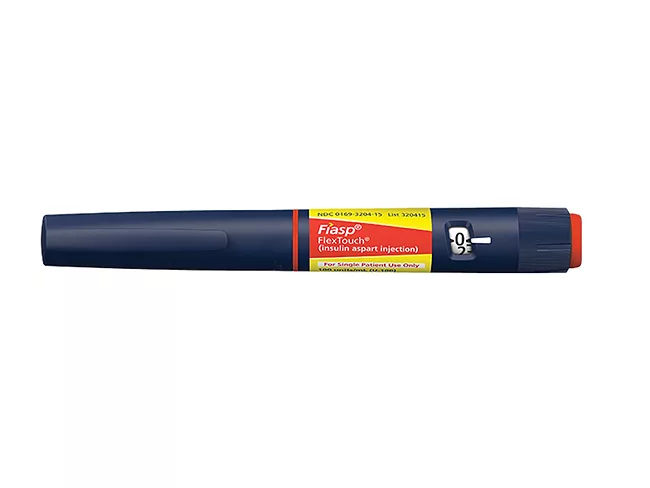
Like the federal district court before it, the U.S. Court of Appeals for the Third Circuit said it lacks jurisdiction to rule on the merits of Novo Nordisk A/S’ claim that the CMS violated the Inflation Reduction Act (IRA) when it treated six of the company’s insulin aspart products as one negotiation-eligible single-source drug.
Among severe insulin-deficient diabetes patients, 12 weeks of 100-mg, once-daily dosing of Biomea Fusion Inc.’s icovamenib lowered hemoglobin A1c by 1.8% from placebo at the 52-week timepoint, an increased benefit over and above what was seen at 26 weeks.
Lexeo Therapeutics Inc. feels like it’s in a faster lane to a BLA for its Friedreich ataxia cardiomyopathy gene therapy after talking with the U.S. FDA. The agency told Lexeo that LX-2006 could be on the accelerated approval path if there is a mingling of the company’s data and studies.
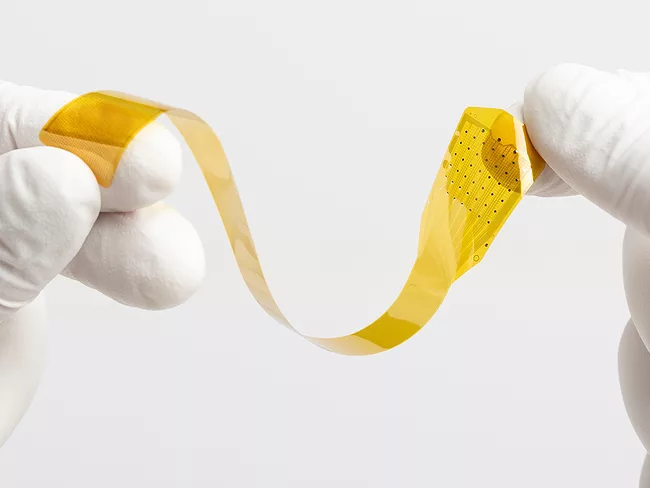
The brain-computer interface (BCI) system being developed by Precision Neuroscience Corp. is capable of capturing high-resolution brain signals and stimulating areas without damaging the cortical surface, according to a study published in Nature Biomedical Engineering.
 RSS
RSS