In a repeat move, the U.S. FDA issued yet again a complete response letter (CRL) to Camurus AB for its subcutaneous extended-release injection drug CAM-2029 (octreotide) to treat the rare chronic growth disorder acromegaly. The drug, which expects to be branded Oclaiz in the U.S. upon approval, is called Oczyesa in the EU and the U.K., where it received marketing authorization in 2025.
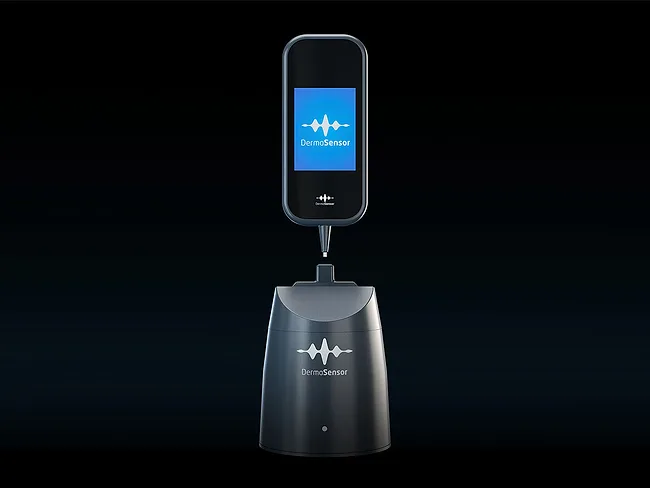
Dermasensor Inc. received CE mark approval for its handheld skin cancer detection device using spectroscopy and AI to test suspicious skin lesions for cancer in real time at the point of care. The device is designed to help qualified healthcare professionals decide whether suspicious skin lesions need further investigation. With skin cancer rates rising, the Dermasensor joins several other AI-based tools entering the European market to help with the analysis of suspicious lesions.
China’s National Medical Products Administration (NMPA) on June 4 granted conditional approvals to two oncology drugs from Lupeng Pharmaceutical Co. Ltd. and Vcare Pharmatech Co. Ltd., as well as one hemophilia drug developed by Staidson Biopharmaceutical Co. Ltd.
Japan has granted marketing approval to Oncolys Biopharma Inc.’s oncolytic adenovirus product, Telomelysin (suratadenoturev, OBP-301), for treating esophageal cancer in patients who are not eligible for curative resection or chemoradiotherapy. The approval marks the first oncolytic adenovirus product approved for esophageal cancer.
Wuxi Apptec isn’t going down without a fight after the U.S. Department of Defense added it to the Section 1260H list June 8 as a designated “Chinese military company,” which makes it a “biotechnology company of concern” under the Biosecure Act. “Such designation is mistaken and baseless,” the global contract research, development and manufacturing organization said in an open letter to its life sciences partners. “We will pursue every available avenue to correct this mistake.” That includes appealing the designation.
The recent introduction of the bipartisan Biotech Investment National Security Act in the U.S. House has industry and venture capitalists urging lawmakers to take a breath, step back, and consider a less invasive approach than restricting U.S. biopharma deals with Chinese innovators.
The U.S. FDA’s year-old Commissioner’s National Priority Voucher (CNPV) pilot program played to mixed reviews at the agency’s June 4 listening session intended to get various stakeholders’ perspective on the ultra-accelerated review process being offered to qualifying drugs.
The U.S. Supreme Court handed Hikma Pharmaceuticals and the entire generic industry a big victory June 4 with its 9-0 opinion ensuring the future of skinny labels and correcting the Federal Circuit’s flawed understanding of infringed inducement.
Nearly a year after Health and Human Services Secretary Robert Kennedy announced the U.S. was cutting off funding for Gavi, a global vaccine alliance, Secretary of State Marco Rubio said his department is reengaging with the organization in light of the ongoing Ebola outbreak in central Africa. In testifying before a June 2 Senate Foreign Relations Committee hearing, Rubio said the State Department made the decision to reengage a few weeks earlier with Gavi. He provided no detail of what that engagement looks like.
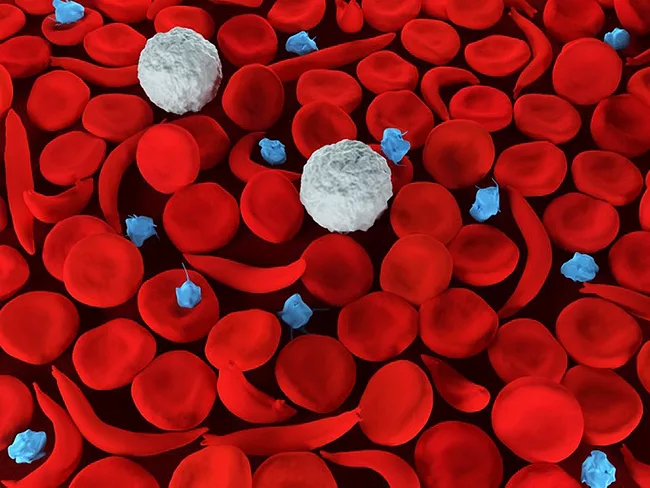
Shares of Fulcrum Therapeutics Inc. (NASDAQ:FULC) fell 54% after the company said it is discontinuing work on sickle cell disease (SCD) candidate pociredir, its only clinical-stage candidate, and reviewing strategic alternatives in the wake of the U.S. FDA’s safety concerns regarding the drug target.
 RSS
RSS