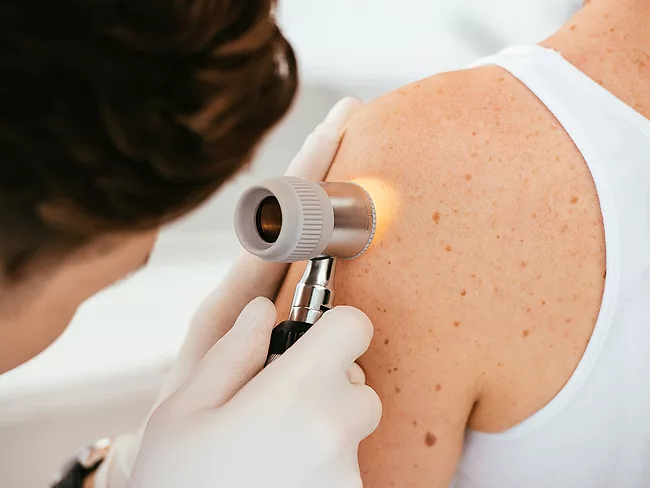
Industry watchers will be tracking closely Replimune Group Inc.’s latest attempt to secure U.S. FDA approval of its advanced melanoma candidate, RP-1 (vusolimogene oderparepvec). The company announced Friday it had reached alignment for resubmitting the twice-rejected BLA with the agency, which it said has pledged to prioritize the review.
Multiple updates on TROP2-directed antibody-drug conjugates (ADCs) for lung and breast cancers highlight both progress made and opportunities for improvement for the targeted class of cancer therapeutics.
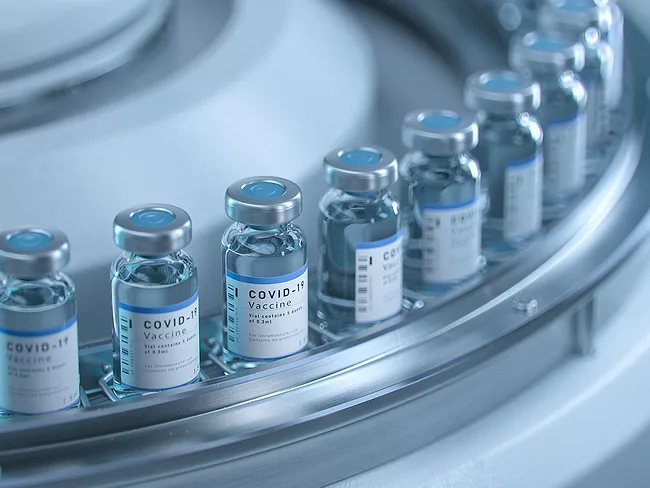
Landing on the right COVID-19 vaccine formulation for the coming season is becoming more complicated against a backdrop of low vaccination rates, young children with little to no immunization, declining surveillance data and a new SARS-COV-2 lineage slowly emerging.
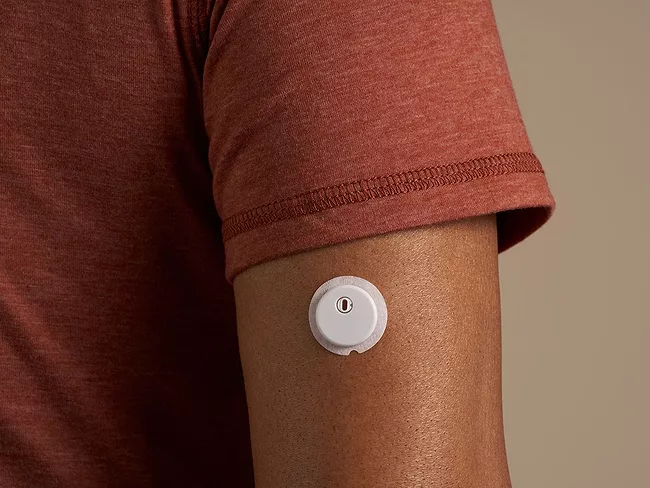
Abbott Laboratories received CE mark approval for two dual glucose and ketone sensing systems, bringing to the market sensors that could be transformational to the lives of people with diabetes at risk of diabetic ketoacidosis.
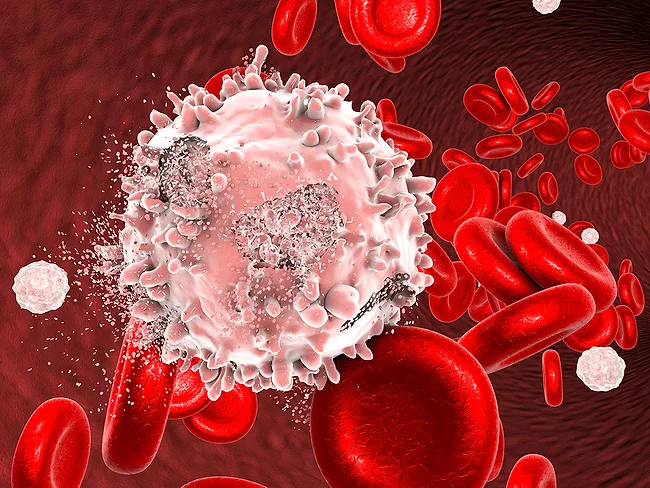
Payoff for the November 2023 buyout of Immunogen Inc. came for Abbvie Inc. in the form of U.S. FDA clearance for the CD123-targeting antibody-drug conjugate Decnupaz (pivekimab sunirine) to treat adults with blastic plasmacytoid dendritic cell neoplasm (BPDCN), an ultra-rare, aggressive and quick-killing hematologic malignancy.
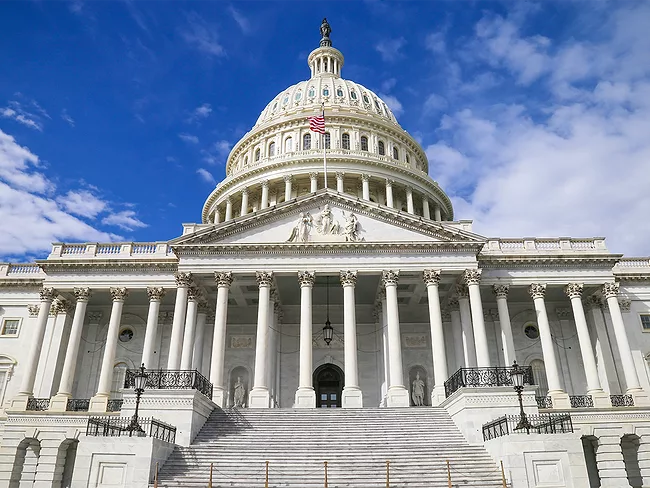
On the heels of the multibillion-dollar licensing deal between Bristol Myers Squibb Co. and Jiangsu Hengrui Pharmaceuticals Co. Ltd., Chairman John Moolenaar (R-MI), of the House Select Committee on the Chinese Communist Party, sent a letter to Treasury Secretary Scott Bessent urging him to add biotechnology as a prohibited technology under the Comprehensive Outbound Investment National Security (COINS) Act of 2025.
Acknowledging that the spread of the Andes virus and the resulting disease, hantavirus pulmonary syndrome, “constitutes a credible risk of a future public health emergency,” U.S. Health and Human Services Secretary Robert Kennedy is issuing a declaration to provide liability protection for manufacturers, distributors and providers using favipiravir as a medical countermeasure (MCM) against the virus.
What would normally be a routine meeting of the FDA’s Vaccines and Related Biological Products Advisory Committee May 28 may be more carefully watched given the overall turmoil surrounding vaccines in the U.S. The only task before the adcom is to recommend the COVID-19 vaccine formula for the upcoming season. That conversation will include looking at the effectiveness of the four FDA-approved vaccines currently in use in the U.S.
New regulations tighten regulatory oversight of China’s investigator-initiated trials (IITs) but legitimize the pathway that will be open to other modalities beyond cell and gene therapies.
 RSS
RSS