After Outlook Therapeutics Inc. took receipt of another complete response letter (CRL), Wall Street focused on the odds that the U.S. FDA will demand a new study with ONS-5010, or Lytenava (bevacizumab-vikg) against wet age-related macular degeneration (AMD).
Bio-Thera Solutions Inc. announced Aug. 26 that the European Commission cleared Usymro (BAT-2206) as a biosimilar to Janssen Pharmaceuticals Inc.’s Stelara (ustekinumab). The EMA issued marketing authorization for Usymro on Aug. 14, following the EMA’s Committee for Medicinal Products for Human Use adopting a positive opinion on June 19.
A few years after it was founded with the aim of taking RNA therapies to the next level, Arnatar Therapeutics Inc. emerged from stealth, disclosing a $52 million series A round raised in 2024 as well as U.S. FDA orphan and rare pediatric disease designations for ART-4, an antisense oligonucleotide candidate targeting the root cause of Alagille syndrome.
Worrisome new signals caused the U.S. FDA – which earlier this month OK’d revised labeling for Valneva SE’s chikungunya virus vaccine Ixchiq – to suspend the product’s license altogether. Regulators pointed to four added reports of serious adverse events consistent with chikungunya-like illness, and told Valneva, of Saint Herblain, France, that the company must stop U.S. shipping and sales of the product. Shares (NASDAQ:VALN) closed Aug. 25 at $9.43, down $2.21, or 19%.
The U.S. FDA approved 17 drugs in July, down from 23 in June, bringing the year-to-date total to 125. Through July, 2025 remains the third-highest count in BioWorld’s records, trailing 135 approvals in 2024 and 126 in 2020.
On Thursday, the Supreme Court handed the Trump administration another significant victory in its attempts to defund NIH-sponsored research. In a 5-4 decision, the justices paused the June 16 order of U.S. District Judge William Young to restore funding for hundreds of canceled NIH research grants focusing on gender and diversity, equity and inclusion (DEI). The funding had first been cut through a series of executive orders shortly after President Donald Trump resumed power in January.
South Korea’s Ministry of Food and Drug Safety (MFDS) launched a new industry-academia-research consortium to support the nation’s organoid industry, expected to grow in light of the U.S. FDA’s shift away from animal testing in the development of novel drugs.
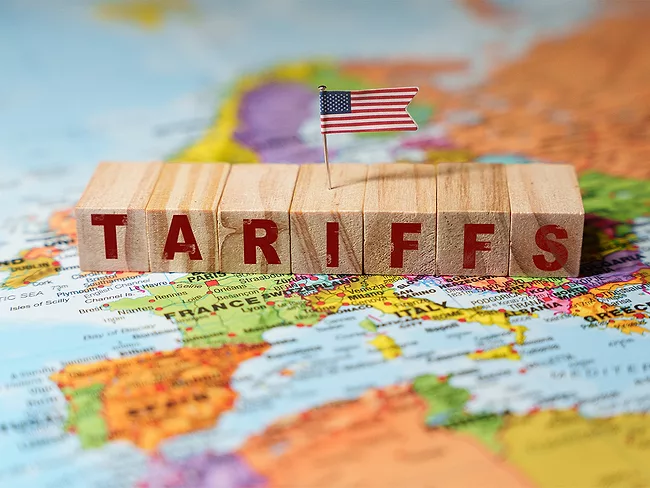
No matter what level of tariff the Trump administration ends up imposing on biopharmaceuticals across the world, drugs and their precursors originating in the EU will face no more than a 15% tariff when imported to the U.S., according to an Aug. 21 EU-U.S. joint statement regarding the trade framework agreement between the two trade partners.
Showing similar results as the first phase III trial completed in 2022, Nicox SA’s nitric oxide-donating bimatoprost eye drop, NCX-470, met the primary endpoint in the phase III Denali trial for open-angle glaucoma or ocular hypertension, clearing the way for regulatory filings in both the U.S. and China.
In Ionis Pharmaceuticals Inc.’s second U.S. FDA approval in under a year, the agency approved Dawnzera (donidalorsen) as a prophylactic therapy in the rare and genetic disease hereditary angioedema (HAE). The approval came as scheduled as the NDA had a PDUFA date of Aug. 21. Dawnzera now joins a market with previously approved drugs for the rare, genetic, life-threatening condition, as well as other companies with HAE drugs in development.

 RSS
RSS