The U.S. FDA’s draft rule for regulation of lab-developed tests (LDTs) was accorded a mere 60 days for comment, but nonetheless drew support from a number of stakeholders, including Foundation Medicine of Cambridge, Mass.
The U.S. FDA’s advisory hearing on multi-cancer detection (MCD) tests suggests that the premarket requirements for these tests will be rigorous, if only because the agency stated at the outset of the hearing that it sees these tests as class III devices. However, the advisory committee also suggested that a registry be established to track outcomes for these tests, a requirement that is likely to prove expensive and time-consuming to fulfill.
Regulatory snapshots, including global submissions and approvals, clinical trial approvals and other regulatory decisions and designations: ABK Biomedical, Clordisys Solutions, Exactech, West Pharmaceutical.
Regulatory snapshots, including global submissions and approvals, clinical trial approvals and other regulatory decisions and designations: Neuronetics.
The U.S. FDA opted not to pursue one form of medical device harmonization via the Global Harmonization Working Party (GHWP), as it reported it will withdraw from the organization.
Regulatory snapshots, including global submissions and approvals, clinical trial approvals and other regulatory decisions and designations: Transit Scientific.
Philips Respironics Inc.’s nightmares with its Dreamstation continuous positive airway pressure (CPAP) line of products continued with a fresh warning from the U.S. FDA of reports involving thermal issues with a newer iteration of the machine, some of which cited patient injuries.
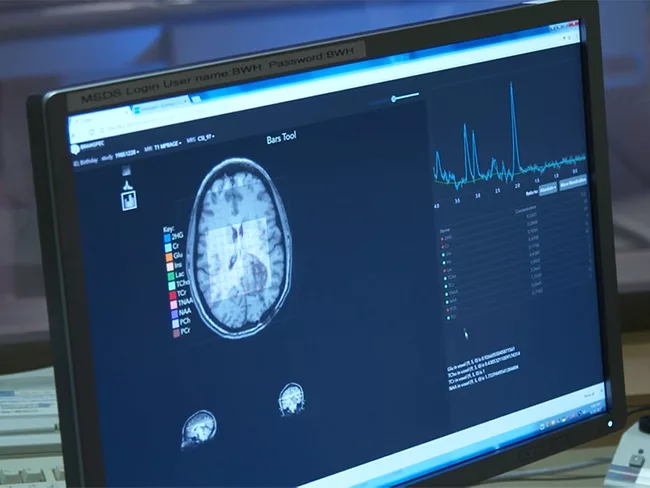
Brainspec Inc. received U.S. FDA 510(k) clearance for use of its artificial intelligence platform, Brainspec Core, in noninvasive measurement of brain chemistry using magnetic resonance spectroscopy (MRS).
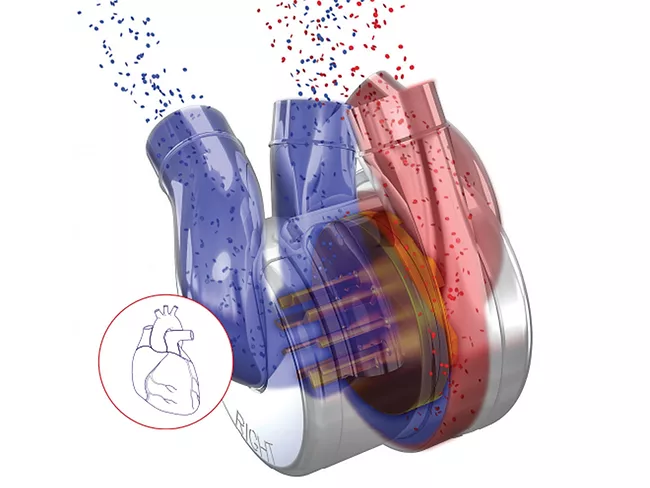
“The FDA approval to begin the Bivacor Total Artificial Heart EFS is a critical milestone for Bivacor and is another validation of the remarkable work and accomplishments of the entire Bivacor team. This device will provide a unique approach to help patients currently with limited clinical options,” said William Cohn, heart surgeon at the Texas Heart Institute and Bivacor chief medical officer.
 RSS
RSS