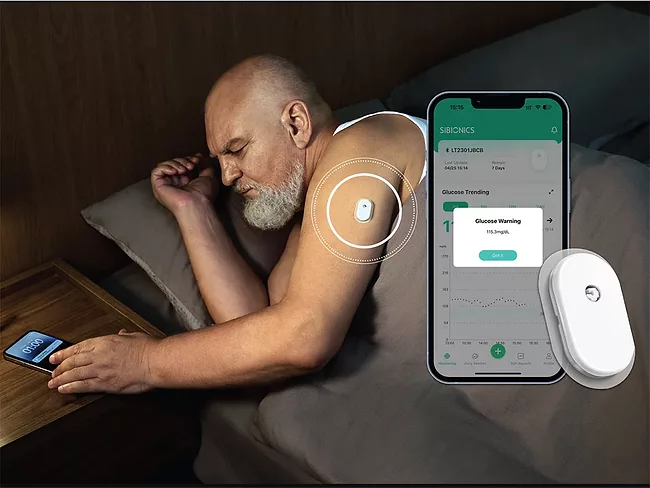
Sibionics Technology Co. Ltd. said it received the CE mark for its continuous glucose monitoring (CGM) system, coined the Sibionics GS1 CGM, helping the company expand its market opportunities beyond China.
As a follow-up to the Biden administration’s executive order for artificial intelligence (AI), the U.S. Office of Management and Budget (OMB) has promulgated a memorandum directing federal government agency use of AI.
The U.K. Medicines and Healthcare Products Regulatory Agency (MHRA) has converted its regulatory sandbox for artificial intelligence (AI) into a full-fledged program dubbed the AI-Airlock, described as a regulatory-monitored virtual area in which industry can “generate robust evidence for their advanced technologies.” MHRA said it is focused on ensuring that AI products are available in the U.K. “before they are available anywhere else in the world,” a sign that national economic competitiveness is fostering a regulatory willingness to deal with uncertainty about this class of products.
The U.S. FDA’s draft rulemaking for regulation of lab-developed tests (LDTs) came with a conspicuously short comment period of 60 days, but the agency is unresponsive to requests to add another 30 days to the comment period.
Olympus Medical Corp. instituted a class I recall of its UHI-4 high flow insufflation device due to reports that the device may over-inflate and potentially create embolisms. The recall affects more than 3,100 units distributed in the U.S. between May 2012 and August 2023, all of which should not be used until the company resolves the problem.
Advocates of expanded use of telehealth in the U.S. may believe they have an unfairly high evidentiary bar to meet to bring payers on board, but that evidentiary requirement just received support from the National Institutes of Health (NIH).
Regulatory snapshots, including global submissions and approvals, clinical trial approvals and other regulatory decisions and designations: Alivedx, Neurotrigger.
 RSS
RSS