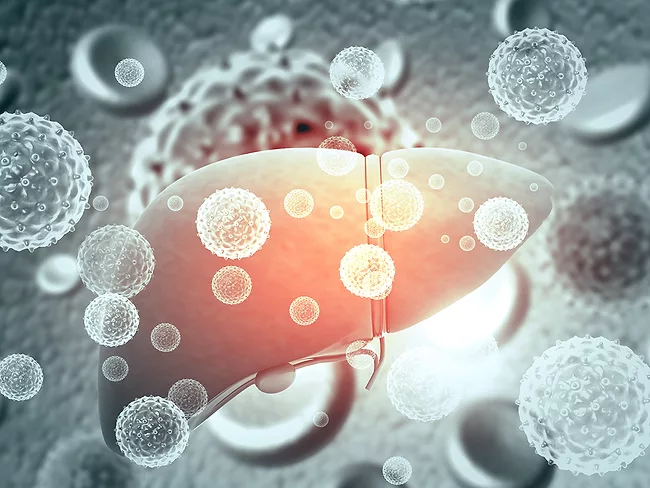
In a potential breakthrough for diagnosis and treatment development of liver disease, the Biomarkers Consortium’s Noninvasive Biomarkers of Metabolic Liver Disease (NIMBLE) project demonstrated that a blood test could diagnose nonalcoholic steatohepatitis (NASH), an increasingly common liver disease in the U.S. The study, published in Nature Medicine, identified four biomarkers that outperform current liquid biopsies for NASH.
Direct-to-consumer advertising (DTC) for medical devices does not present the same policy footprint as DTC ads for drugs, but Congress recently asked the U.S. Government Accountability Office (GAO) to investigate device advertising to evaluate whether reforms are needed. GAO responded to the effect that while the literature lacks any useful studies on the question, some stakeholders believe that DTC device ads give short shrift to risk information, a finding that may prompt Congress to enact new legislation on the question.
Japan’s Pharmaceutical and Medical Devices Agency (PMDA) has jumped on board the e-consent train for clinical trials, publishing a guidance for the use of electronic means for obtaining a study participant’s informed consent.
Amsterdam-based Royal Philips NV reported that it has come to terms with customers and end users of its respiratory equipment to the tune of $479 million, which will reimburse for the cost of these systems. The problem for the company is that the settlement does not affect any personal injury cases, and thus represents only a partial closure of a controversy that has dogged the company for several years.
Nemaura Medical Inc. recently raised $6.5 million in non-dilutive funding through a clean debt facility with no warrants or convertible elements. The funding came from its existing lender and is expected to fund Nemaura’s ongoing efforts to commercialize its daily disposable, wearable glucose sensors.
While the U.S. FDA’s preclinical and clinical trial framework is generally well-suited to adapt to the use of artificial intelligence (AI) in developing new drugs, its regulatory framework for medical devices that incorporate evolving AI leaves a lot to be desired, according to Sen. Bill Cassidy (R-La.), the ranking member of the Senate Health, Education, Labor and Pension Committee.
Regulatory snapshots, including global submissions and approvals, clinical trial approvals and other regulatory decisions and designations: Alveofit, Boston Scientific, Implantica.
Two U.S. federal government departments recently issued a series of guidelines for their handling of mergers and acquisitions in a draft that has provoked both support and opposition from observers. Barry Nigro of the George Washington University School of Law said he is concerned that the presumption that a transaction is necessarily anticompetitive will prompt litigation over that presumption and thus bog down the process of reviewing these transactions.
Regulatory snapshots, including global submissions and approvals, clinical trial approvals and other regulatory decisions and designations: Nanjing Changcheng Medical Equipment, Techsomed Medical Technologies, Venturemed Group.
The U.S. FDA’s concerns about the 510(k) program over the past decade-plus are practically the stuff of regulatory urban legend, but the agency has just unveiled a trio of draft guidances to address some of those concerns. Perhaps the most significant of these is a draft guidance for selection of a predicate device for a 510(k) filing, a document that may come across to industry as little more than an attempt to limit the devices that a manufacturer can recite in a 510(k) filing.
 RSS
RSS