The latest global regulatory news, changes and updates affecting biopharma, including: Fed Circuit: Nonsensical claims indefinite; USPTO seeks more uniformity between PTAB, courts; EC investing in startups.
Regulatory snapshots, including global drug submissions and approvals, clinical trial approvals and other regulatory decisions and designations: Amolyt, Astellas, Astrazeneca, Everest, Inventiva, Moderna, RDIF, Redhill, Stealth.
PERTH, Australia – The COVID-19 pandemic certainly put pressure on Australia’s Therapeutic Goods Administration during the 2019 to 2020 year, but it also showed that the agency was able to rise to challenge and not buckle under pressure.
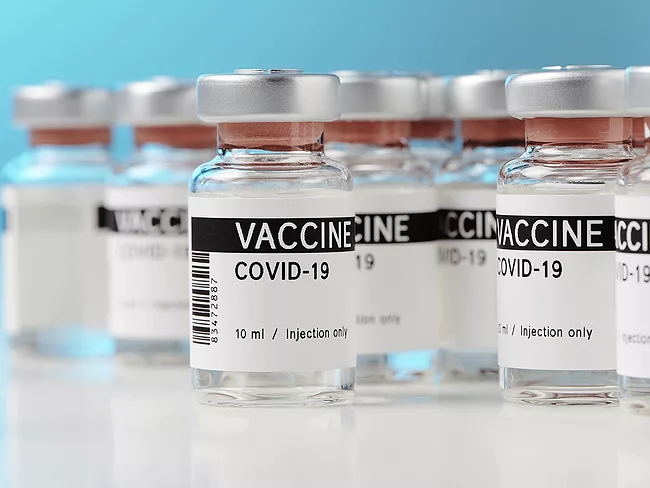
NEW DELHI – The Drugs Controller General of India (DCGI) granted its first emergency conditional approvals Jan. 3 for a pair of COVID-19 vaccines, including Covishield, developed abroad by Astrazeneca plc and Oxford University and manufactured by the Pune-based Serum Institute of India (SII).
Chinese regulators granted a first approval for general use to a COVID-19 vaccine to China National Biotec Group’s (CNBG) BBIBP-CorV. “The NMPA granted conditional approval to the vaccine on Dec. 30,” said Chen Shifei, deputy head of the National Medical Products Administration (NMPA) during a Dec. 31 press conference. The company is required to continue with phase III trials as planned, submit subsequent data and report any adverse reactions.
HONG KONG – Hutchison China Meditech Ltd. (Chi-Med) earned approval from China’s National Medical Products Administration (NMPA) for Sulanda (surufatinib) for the treatment of non-pancreatic neuroendocrine tumors (NETs).
Bioserenity SAS has gained U.S. FDA clearance for the Neuronaute electroencephalography (EEG) system and Icecap EEG wearable device, which aim to help physicians remotely monitor and assess electrical brain activity of people with epilepsy. The company noted that the Icecap and Neuronaute system will facilitate access to care in a variety of settings, including rural and remote environments.
The U.S. FDA’s safer technologies program, or STeP, is designed in part as a complement to the breakthrough devices program, but the September 2019 draft guidance lent little clarity as to what might constitute a significantly safer device. The Jan. 5, 2021, final guidance does little to clarify that question, however.
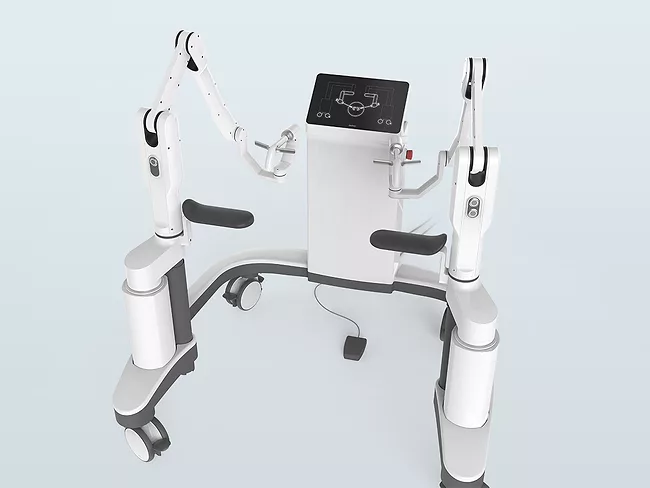
The medical device company Distalmotion SA has hit a regulatory milestone in the commercialization of its surgical robot, Dexter, earning a CE mark in Europe. The Dexter surgical robot is built with the aim of allowing surgeons to take a hybrid approach to minimally invasive surgery, using the robot for tasks such as suturing and complex dissections while switching to a laparoscopic approach for stapling and basic dissections.
HONG KONG – India’s conditional approval on Jan. 3 of a COVID-19 vaccine developed domestically by Bharat Biotech International Ltd. but still in phase III trials has sparked concerns about its safety. The Drugs Controller General of India (DCGI) gave emergency authorization to the product, Covaxin, along with the Astrazeneca plc and Oxford University vaccine Covishield. The DCGI said the conditional approval granting “restricted use in emergency situation” for Covaxin was done in “clinical trial mode” to account for the fact that the shot is still being tested. But the rush to approve it has created controversy and confusion.

 RSS
RSS