Royal Philips NV and Masimo Corp. received U.S. FDA clearance that allows the activation of Sedline brain function monitoring, regional oximetry and carbon dioxide measurements in Philips Intellivue MX750 and MX850 patient monitors, which will streamline decision-making for clinicians by eliminating the need for separate pieces of monitoring equipment. The integrated equipment can help clinicians more quickly assess and monitor cerebral oxygenation, anesthetic sedation and patient respiratory performance using the same monitor.
Incannex Healthcare Ltd. had quietly been developing its commercialization plans for psychedelic clinics well before Australia’s Therapeutic Goods Administration announced it would allow psilocybin and MDMA (3,4-methylenedioxy-methamphetamine) to be prescribed by authorized psychiatrists for treatment-resistant depression and post-traumatic stress disorder.
Regulatory snapshots, including global drug submissions and approvals, clinical trial approvals and other regulatory decisions and designations: Arcturus, Astrazeneca, Amarin, Coherus, Edding, Enterin, Merck, Minoryx, Molecular Templates, Pfizer, TG, YS.
Regulatory snapshots, including global submissions and approvals, clinical trial approvals and other regulatory decisions and designations: Cardiorenal, Ezra, Royal Philips, Seegene.
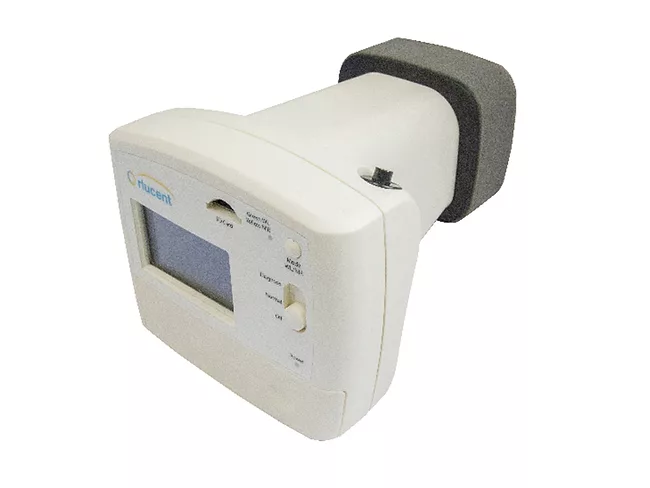
If Orlucent Inc. has its way atypical moles in adults will soon give up their secrets to clinicians on the lookout for skin cancer, this after the Los Gatos, Calif.-based company received a U.S. FDA breakthrough device designation for its non-invasive Orlucent skin fluorescence imaging system. The system is a hand-held point-of-care molecular-based imaging device that identifies “tissue remodeling activity” inside atypical moles that could be a precursor to early melanoma.
The U.S. House of Representatives has passed an agreement with the Biden administration on the debt ceiling, a deal that does not affect mandatory spending programs such as Medicare. However, the agreement, which still must gain the Senate’s stamp of approval, appears to eliminate any chance of yet more monies for the National Institutes of Health or the FDA, two programs of intense interest for companies in the life sciences.
With False Claims Act (FCA) whistle-blower lawsuits multiplying amid the complexity of regulations that often are unclear, the U.S. Supreme Court provided some clarity as to what constitutes a false claim in a unanimous opinion handed down June 1. But it’s not what the biopharma and med-tech industries were hoping for.
Regulatory snapshots, including global drug submissions and approvals, clinical trial approvals and other regulatory decisions and designations: Acticor, Aridis, Ascentage, Cocrystal, IGM, Pepgen, Pharmazz, Precigen, Rocket.
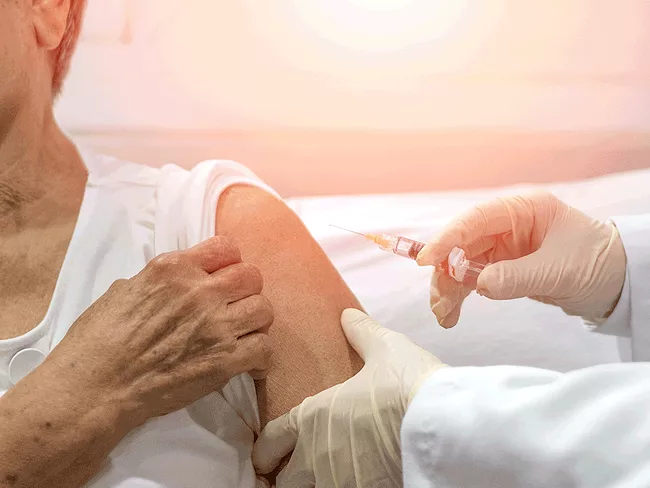
Becoming the second approved respiratory syncytial virus (RSV) vaccine for the 60 and older crowd, Pfizer Inc.’s Abrysvo (RSVpreF; PF-06928316) received a U.S. FDA nod on May 31 for RSV lower respiratory tract disease. In February, the agency’s Vaccines and Related Biological Products Advisory Committee voted 7-4 that data support both the safety and efficacy of the vaccine. Behind this approval for the senior population is another potential approval, expected in August, for infants via maternal inoculation.
Regulatory snapshots, including global submissions and approvals, clinical trial approvals and other regulatory decisions and designations: GE Healthcare, Think Surgical.
 RSS
RSS