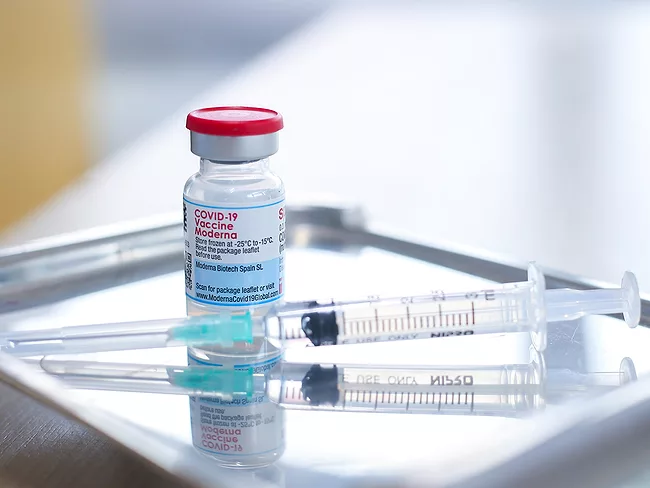
CSPC Pharmaceutical Group Ltd.’s COVID-19 mRNA vaccine, SYS-6006, has been included for emergency use by the NMPA, the company said on March 22, marking the first domestically developed COVID-19 mRNA vaccine approved for use in China.
Japan’s PMDA has approved Aurion Biotech Inc.’s cell therapy, Vyznova, for the treatment of bullous keratopathy of the cornea, making it the first-ever approval of a cell therapy to treat corneal endothelial disease.
Tofersen’s development is progressing in fits and starts. That was evident at the U.S. FDA’s March 22 meeting of the Peripheral and Central Nervous System Drugs Advisory Committee, which unanimously agreed Biogen Inc.’s failed phase III study predicted a clinical benefit in treating amyotophic lateral sclerosis (ALS) that includes the rare superoxide dismutase 1 component.
Incyte Corp.’s retifanlimab-dlwr received its first regulatory nod on March 22, with the U.S. FDA granting accelerated approval for the PD-1 inhibitor to treat adults with a rare form of skin cancer, advanced Merkel cell carcinoma.
Regulatory snapshots, including global drug submissions and approvals, clinical trial approvals and other regulatory decisions and designations: Abbvie, Athersys, Avadel, FSD, Iecure, Marinus, Mesoblast, Regeneron, Sandoz.
Concerns voiced during January’s U.S. FDA advisory committee meeting failed to deter Cidara Therapeutics Inc. from winning approval by the agency March 22 for once-weekly Rezzayo (rezafungin for injection) to treat a pair of indications – candidemia as well as invasive candidiasis (IC) – in adults with limited or no alternatives.
The U.S. FDA reported yet another recall of intra-aortic balloon pumps made by Datascope Corp., an unfortunate development for patients in need of these devices that are still on the FDA’s list of devices that are in short supply. While no injuries or deaths have been reported in connection with the coiled connector cables that prompted the recall, the need to replace these cables could further crimp units needed to sustain patients during cardiac surgery procedures.
While Moderna Inc. CEO Stéphane Bancel was the one on the hot seat at a March 22 hearing before the U.S. Senate Health, Education, Labor and Pensions (HELP) Committee, biopharma profitability in general, and capitalism itself, came under fire as committee Chair Bernie Sanders (I-Vt.) railed about corporate greed in the sector.
Citing significant implications for patients with advanced Parkinson’s disease, as well as the broader public interest that’s at stake, the U.S. FTC filed an amicus brief in Sage Chemical Inc.’s district court challenge of Supernus Pharmaceuticals Inc.’s strategies to block generic competition of its injectable Parkinson’s drug, Apokyn (apomorphine).

 RSS
RSS