BEIJING – China was the first country to face serious disruptions in clinical trials caused by COVID-19, and policy advocates in the country moved quickly to identify lessons for future outbreaks.
The latest global regulatory news, changes and updates affecting biopharma, including: 340B Health, Department of Health and Human Services, FDA, Health Resources and Services Administration, Institute for Clinical and Economic Review, Medicines and Healthcare products Regulatory Agency.
HONG KONG – As the number of COVID-19 confirmed cases and deaths continue to rise globally, South Korea’s focus on testing has attracted international attention. Two diagnostic kits made by domestic companies Seegene Inc.and Kogene Biotech Co. Ltd. are currently preparing to apply for U.S FDA approval.
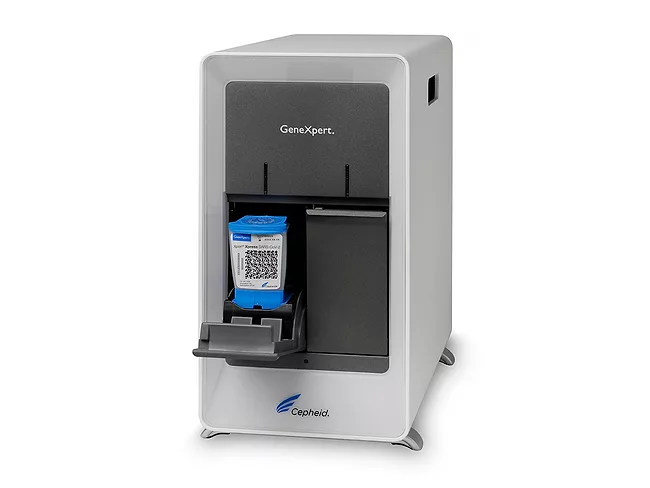
The U.S. FDA has granted an emergency use authorization (EUA) to Cepheid Inc., of Sunnyvale, Calif., for a rapid molecular diagnostic to detect SARS-CoV-2, the virus that causes COVID-19. The Xpert Xpress SARS-CoV-2 test is designed for the qualitative detection of the novel coronavirus and runs on the company’s automated Genexpert systems, with a turnaround time of about 45 minutes.
Three candidates for FDA approval remain on BioWorld’s Drugs on Deck list for March, all of which have PDUFA dates scheduled for this month, even though most of the agency’s attention as of late is on the COVID-19 pandemic.

 RSS
RSS