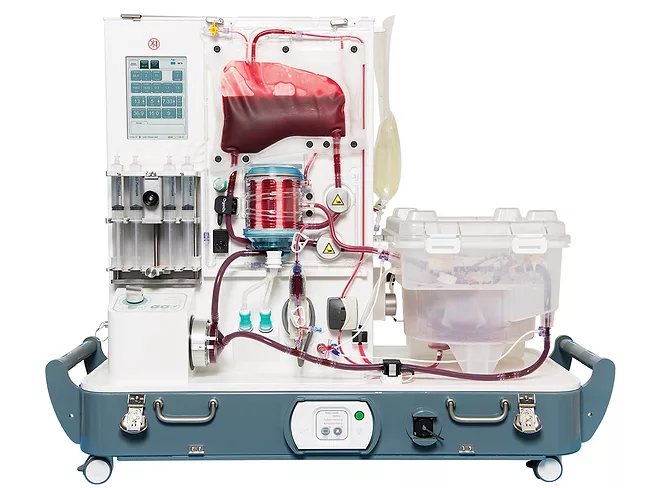
Organox Ltd.’s normothermic machine perfusion device, Metra, has been cleared by the U.S. FDA for use during air transport. The greenlight from the regulatory body paves the way for the broader use of donor organs that might otherwise be discarded, as the Metra system circulates oxygen and nutrient rich perfusate through the organ at near-body temperature, extending preservation times.
A committee of the House of Representatives advanced a bill that if passed will give eligible breakthrough medical devices four years of Medicare coverage.
The U.S. FDA cleared 18 drugs in August, comparable to July’s 17 but down from June’s 23 approvals. That brings the 2025 U.S. total through August to 143, matching 2020 as the second-highest count on record for BioWorldfor the period, after 2024’s high of 159.
Renewing hopes of restoring the rare pediatric disease priority review voucher (RPD PRV) program that expired at the end of 2024, the House Energy and Commerce Committee voted 47-0 Sept. 17 to advance the Give Kids a Chance Act of 2025 (H.R. 1262), one of six pieces of legislation slated to move to the full U.S. House for consideration.
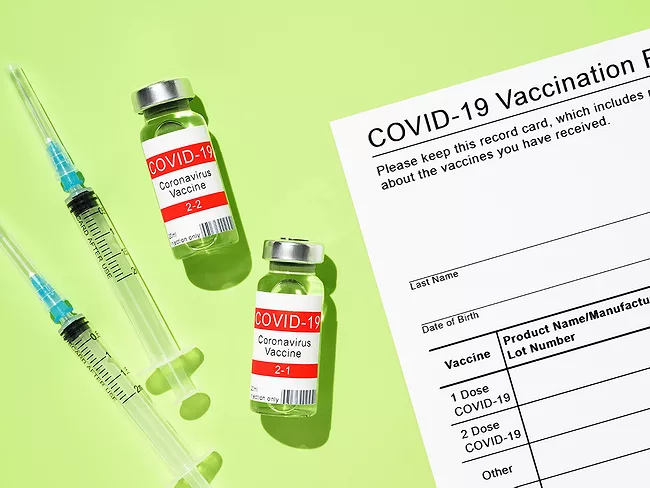
The second day’s meeting of the U.S. CDC’s Advisory Committee for Immunization Practices (ACIP) took up guidelines related to COVID-19 vaccines, of which an outspoken skeptic is Health and Human Services Secretary Robert Kennedy – who in June fired all 17 members of ACIP and replaced them with names more to his liking.
Following the first approvals in the U.K., Canada, Australia and Switzerland, the EMA’s Committee for Medicinal Products for Human Use (CHMP) is now recommending approval of Bayer AG’s Lynkuet (elinzanetant), a non-hormonal treatment for symptoms of menopause. The drug, the first dual neurokinin-1 and neurokinin-3 receptor antagonist, is for the treatment of moderate to severe vasomotor symptoms, also known as hot flashes.
As is the case with the Made in China 2025 initiative, the Make in India program has at least a decade of history to look back on, with some benefits accruing to the nation’s med-tech sector. All the same, Gunjan Bagla, CEO of Los Angeles-based Amritt Inc., told BioWorld that the initiative could be more successful if the legislature would tweak the laws to create a more helpful environment for industry.
Despite some expectations that the U.S. CDC’s Advisory Committee for Immunization Practices (ACIP) would dramatically change the childhood vaccine schedule for hepatitis B, the committee is poised to vote Sept. 19 on a much smaller change that would move the current birth dose to 1 month for infants born to mothers who test negative for hepatitis B.
The American Academy of Pediatrics (AAP) and a few other medical professional groups were no-shows at the Sept. 18 meeting of the U.S. CDC’s Advisory Committee for Immunization Practices. The absence of the liaison groups was noted, especially that of the AAP. In opening the two-day meeting, ACIP Chair Martin Kulldorff said he lamented that the AAP has ended its association with the committee.
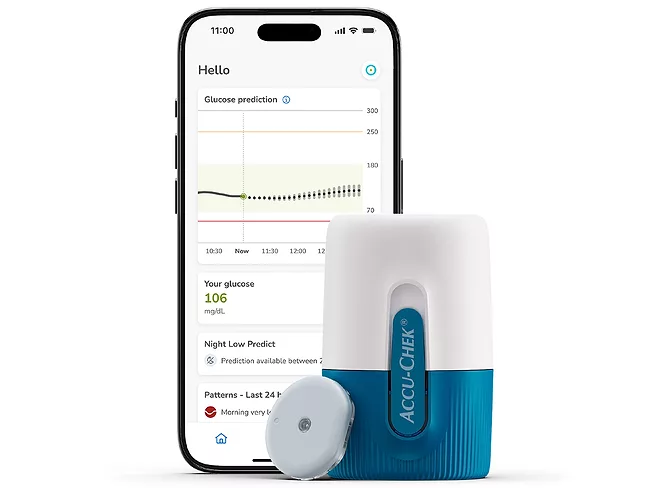
Roche Holdings AG received CE mark approval for the integration of its AI-enabled continuous glucose monitoring system, Accu-Chek Smartguide, with the Mysugr diabetes management app. The integrated solution, which combines predictive CGM technology with therapy data in one place, will simplify the daily decision-making for users managing their diabetes.
 RSS
RSS