The U.S. House Energy and Commerce Committee needed two days of hearings to get through a spending measure that provided the FDA with $500 million for its part in the government response. The CDC would receive $7.5 billion for vaccine distribution and tracking, all developments that ran parallel to an announcement that another 200 million doses of vaccine will be delivered by the end of July at a cost of $3.7 billion.
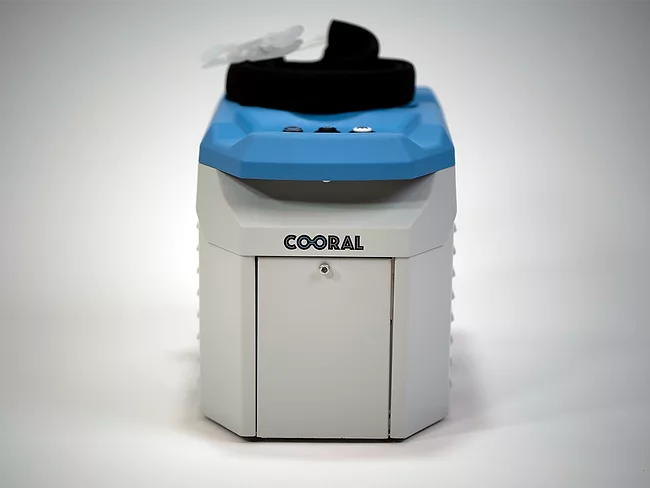
Braincool AB has scored a breakthrough device designation from the U.S. FDA for its Cooral system, a medical cooling technology for therapeutic hypothermia and oncology. The status acknowledges Cooral’s potential to prevent oral mucositis (OM), a complication of chemotherapy.
The latest global regulatory news, changes and updates affecting medical devices and technologies, including: FDA cites pivotal study failure for Lutonix 014; HHS adds to PREP Act immunity; Dermal fillers on tap at FDA advisory; GAO urges a pause in VA EHR deployment.
The U.S. FDA has granted breakthrough device designation to Cerus Endovascular Ltd. for its Contour neurovascular system for the treatment of intracranial aneurysms. The company is targeting the second or third quarter of this year for the start of its IDE clinical trial.
Governments across the globe are struggling to keep pace with the SARS-CoV-2 virus’s impact on public health, but the new variants are presenting their own challenges. The next task facing governments across the globe is to sequence the latest mutated variants of the virus and keep track of any further mutations, all while validating new and revamped existing tests, a task that is likely to prove difficult to meet for at least the next few months.
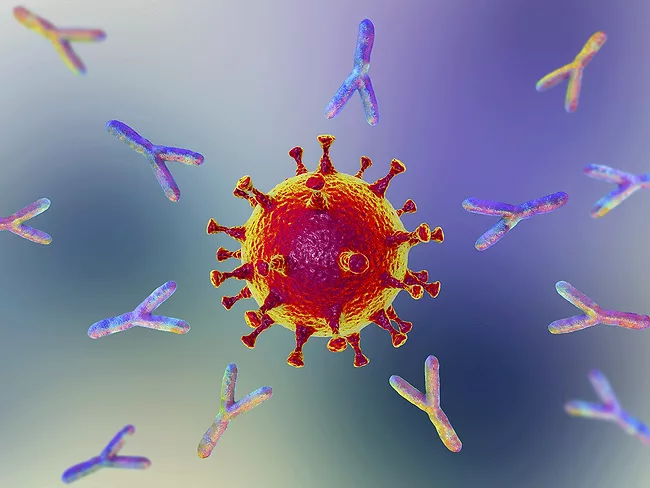
Diagnostic manufacturers are turning their attention to antibodies for those who have been vaccinated for the SARS-CoV-2 virus, and the U.S. FDA’s Tim Stenzel had some advice about this on the Feb. 10 testing town hall. Stenzel advised that developers think of such tests in the same vein as a companion diagnostic (CDx) in that these antibody test will have to be separately validated for each vaccine that is included in the test’s labeled claims.
Among the low-hanging fruit for pruning back U.S. drug prices is the development of generics referencing complex drugs, a category that includes drug-device combination products and nonbiologic drugs with a complex molecular base, route of administration or formulation, such as abuse-deterrent opioids.
The latest global regulatory news, changes and updates affecting medical devices and technologies, including: FDA posts advisory for respiratory splitters; NICE: Propel device not ready for routine use; MITA sounds off on third parties with white paper; Ethicon, AIM settle on Esutures sales.
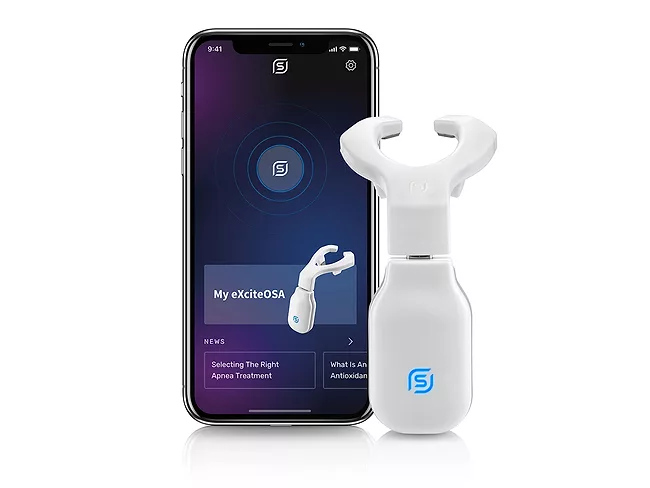
The U.S. FDA granted de novo authorization for Signifier Medical Technologies LLC’s ExciteOSA, the first treatment for mild obstructive sleep apnea and snoring designed for daytime use. Used for 20 minutes a day, the device improves the function of the tongue muscle to prevent airway obstruction while sleeping. ExciteOSA, previously called Snoozeal, already has a CE mark.
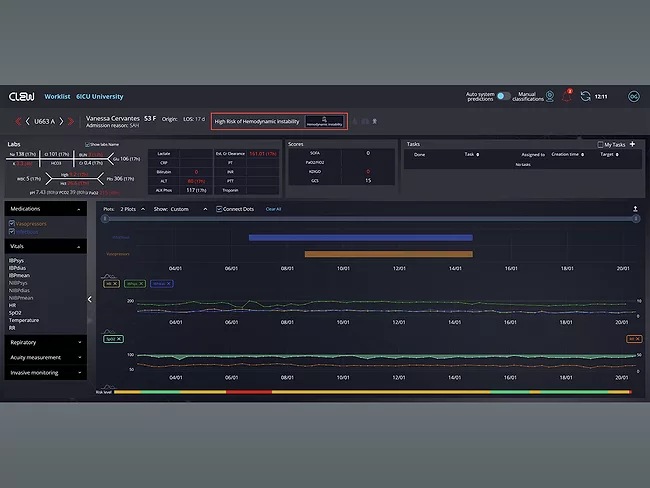
The U.S. FDA granted 510(k) clearance for Clew Medical Ltd.’s artificial intelligence (AI)-based solution that can predict hemodynamic instability in ICU patients eight hours in advance of deterioration. The system continuously monitors and stratifies patients by risk level to enable optimization of ICU resources.

 RSS
RSS