Johnson & Johnson received U.S. FDA investigational device exemption to begin the pivotal clinical trial for the Ottava robotic surgical system. If the trial goes well, Ottava could pose a significant challenge to decades-long dominance of the robotic surgical market by Intuitive Surgical Inc.’s Da Vinci system.
The U.S. FDA’s Nov. 1 warning letter to Owens & Minor Inc. criticized the company for a lack of documentation that two components of convenience kits had been validated for sterilization with ethylene oxide.
Momentis Surgical Ltd. received 510 (k) clearance from the U.S. FDA for the second-generation of the Anovo robotic surgical platform. The upgraded system allows surgeons to experience enhanced ergonomics with integrated haptic feedback, creating more intuitive control of the robotic arms during surgical procedures.
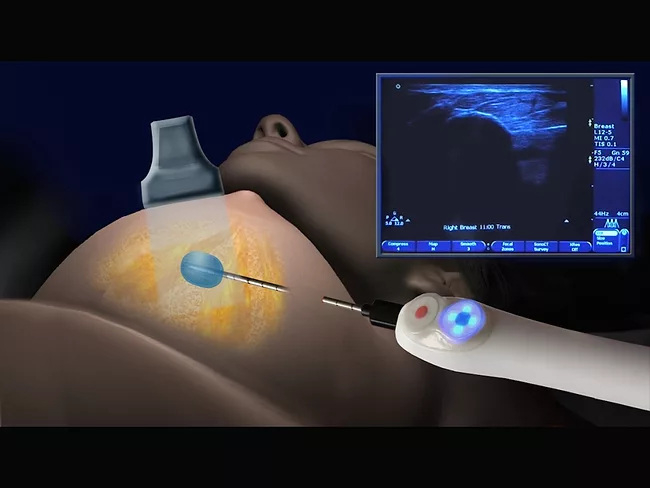
Early-stage breast cancer patients in the U.S. may soon be able to access another treatment regime based on the result of a Nov. 7 FDA advisory committee for the Prosense cryoablation system by Icecure Medical Ltd. The advisory committee voted 9-5 that the benefits of Prosense outweigh the risks, although the FDA has yet to decide on the application.
The U.S. FDA has had its sights on artificial intelligence (AI) for some time, but an upcoming advisory hearing will review questions such as the regulatory status of a generative AI (GenAI) algorithm. This is just one of several AI-related dilemmas facing the agency in the next few years.
Quanta Dialysis Technologies Ltd. received the greenlight from the U.S. FDA for the use of its portable dialysis system at home. The clearance brings a much-needed option for patients with end-stage renal disease to receive their treatment in the comfort of their own homes and without a rigid dialysis schedule.
The U.S. FDA’s new draft guidance for the voluntary incorporation of patient preference information (PPI) in device development says that PPI would be included in product labels for cleared or approved medical devices.
Almost a year after U.S. FDA approval of the first pulsed field ablation device for treatment of atrial fibrillation, Johnson & Johnson secured FDA approval for its Varipulse system, intensifying competition in the rapidly growing market.
Cell and gene therapy companies are the beneficiaries of positive changes along the regulatory path that the U.S. FDA is paving for them, according to a panel of executives who spoke at the BioFuture 2024 conference in New York.
While uncertainty often casts a shadow on the Street, U.S. investors welcomed the presidential and congressional election results with a late-night surge that carried into the morning Nov. 6. The Dow Jones peaked at 1,380.47 points early the day after, up 3.27% from Election Day itself and hitting its highest point of the year so far. The celebration extended to the biotech sector, with the BioWorld Index, which covers more than 500 companies, up 17.06% for the year, compared with a 12.28% increase for the year on Nov. 1.
 RSS
RSS